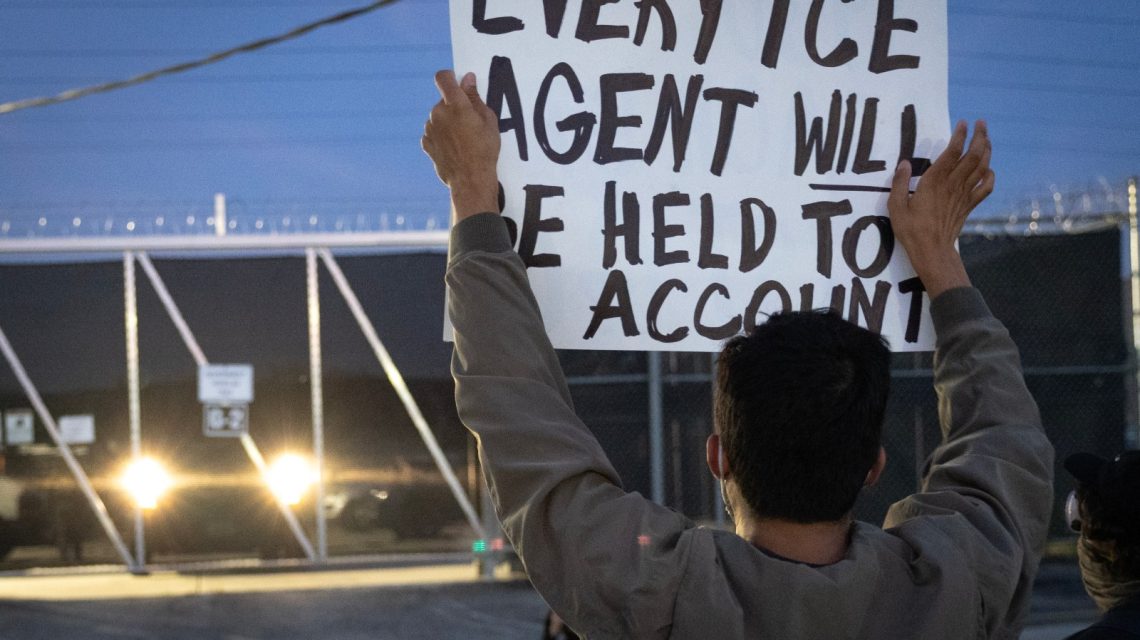
An attorney representing Illinois residents who have filed claims against the federal government over last year’s immigration enforcement operation in Chicago expressed confidence in holding U.S. Immigration and Customs Enforcement (ICE) agents accountable. Following the announcement of 15 Federal Tort Claims Act (FTCA) filings related to Operation Midway Blitz, Antonio Romanucci stated that substantial video evidence would likely lead to convictions.
Operation Overview and Implications
Operation Midway Blitz, executed in Illinois under the Trump administration, involved a significant deployment of federal agents in Chicago and nearby areas. The operation led to protests, confrontations with local law enforcement, and legal disputes. The Department of Homeland Security (DHS) detained over 4,500 immigrants during the initiative.
Critics accused agents of using excessive force, particularly against U.S. citizens who were protesting or documenting the operations. Despite denials from federal officials, Romanucci emphasized the potential to prove excessiveness through video evidence and client testimonies, asserting that protesters used no force against agents.
Claimants Seek Justice
The 15 claimants include citizens, journalists, and public officials. Juan Munoz, an Oak Park official, and Leigh Kunkel, a journalist covering protests, reported unlawful detention and force use. Another claimant, Kyle Frankovich, demanded accountability from DHS leadership, highlighting harm caused to families.
“Families were destroyed. People were shot. Many are permanently disabled,” Frankovich stated in a press release.
The Role of Video Evidence
Romanucci underlined video footage’s importance in proving constitutional violations. He aims to secure damages and establish accountability for allegedly unlawful policies and actions, rejecting any government defenses.
“The video doesn’t lie,” Romanucci noted, emphasizing the reliability of recorded evidence.
DHS’s Position
Throughout Midway Blitz, DHS insisted that federal personnel acted within legal bounds during immigration enforcement. Officials have cited increased assaults and hostile crowds obstructing their duties.
DHS stated agents will continue targeting serious illegal immigrants, regardless of incidents against federal officers or lawsuits.
Recent changes include scaling down operations after incidents in Minneapolis, opting for smaller efforts with less publicity.
Legal Process and Further Actions
Under FTCA, claimants must file administrative claims. DHS reviews these, potentially resulting in accepted, denied, or unresolved outcomes. If unresolved, Romanucci plans to move to federal court.
“We will seek any legal recourse available,” Romanucci explained.
 Voting in Russia: Veterans at the Forefront
  The Need for Regulation in AI: A Democratic Imperative
  Government’s Approach to AI: New Leadership and Strategy
 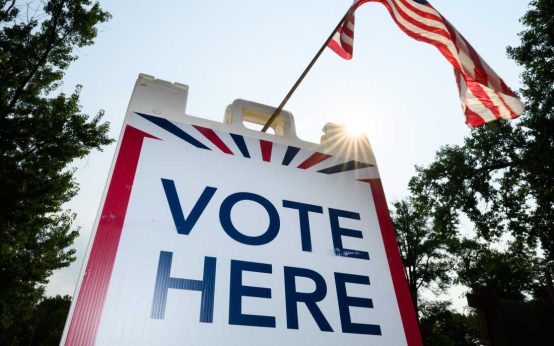 Concerns Over DHS’s Efforts to Investigate Non-Citizen Voters Amid Fear of Voter Intimidation
 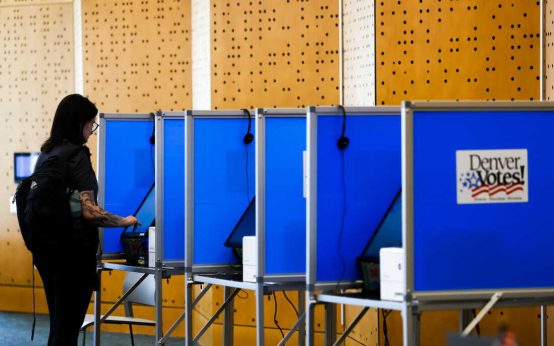 Concerns Over Federal Agents at Polling Places Raise Legal Challenges
 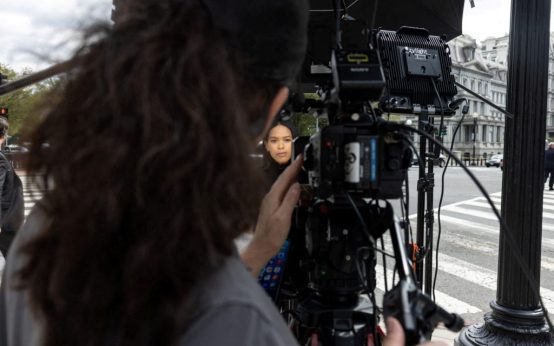 Trump Blocks Major News Outlets from White House Amid Tensions