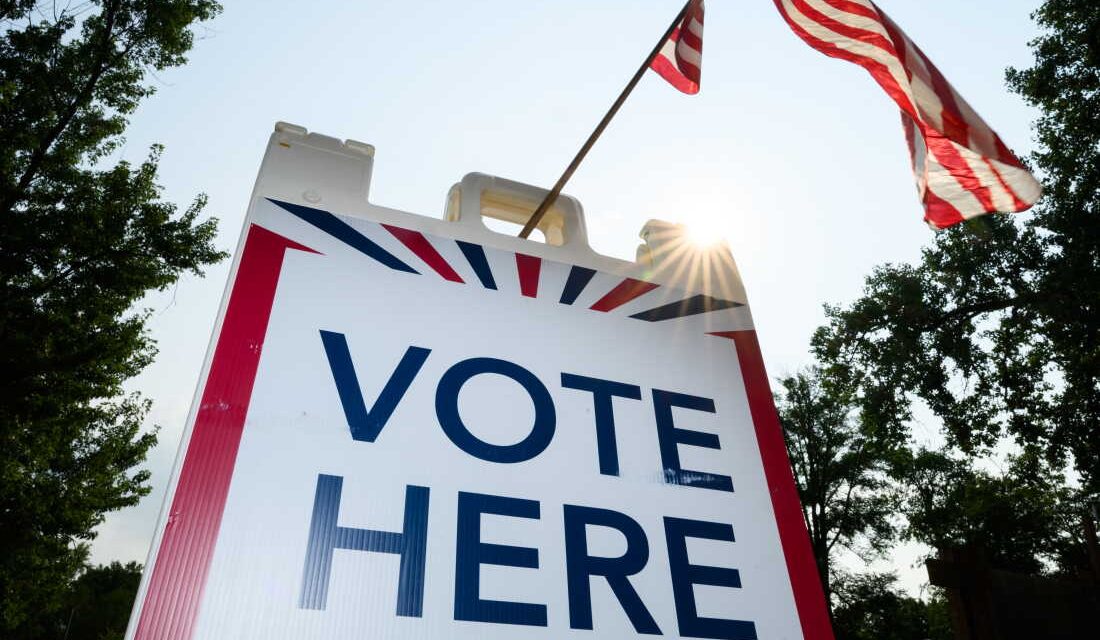
An email from the Department of Homeland Security (DHS) has sparked new concerns over the agency’s scrutiny of non-U.S. citizens on voter rolls. This email, obtained recently by NPR, includes a 78-page document listing counties and states that provide election materials in non-English languages. The document, alongside a Department of Justice checklist on prosecuting voter-related crimes, raises doubts about potential intimidations and prosecutions related to voting fraud.
The email became public as part of documents released following a lawsuit by the Democratic National Committee (DNC). This legal action sought records related to the Trump administration’s response to concerns about noncitizen voters. Democrats fear that efforts to identify noncitizen voters could inadvertently deter eligible voters, particularly in the upcoming midterm elections.
Despite a push to investigate noncitizen voting, prior audits reveal fraudulent voting as exceedingly rare. The email does not suggest specific enforcement actions at the mentioned locations. Due to the heavily redacted nature of the email, the rationale behind attaching the list of non-English jurisdictions remains unclear.
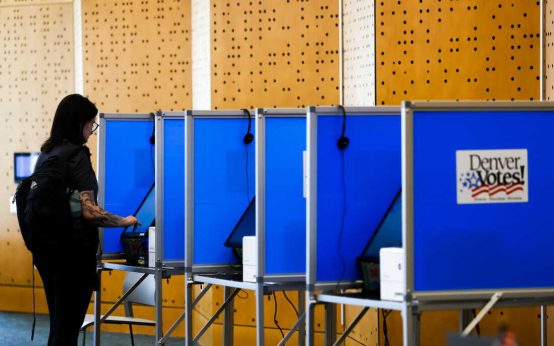
Federal authorities have recently charged several individuals with illegal voting. Civil rights groups have filed lawsuits against DHS, hoping to prevent deployment of federal officials at voting sites. Such interference is illegal, yet these fears led the DNC to pursue Freedom of Information Act requests. They aimed to uncover any intentions to station federal agents at polling places and other election facilities.
Concerns escalate with statements from DHS and administration officials, including Homeland Security Secretary Markwayne Mullin’s suggestion that Immigration and Customs Enforcement (ICE) agents might serve warrants at polls. President Trump voiced willingness to ensure honest elections with necessary measures in place.
The sharing of the list of multilingual voting jurisdictions was part of a December 19 email to Rob Law, the undersecretary for strategy, policy, and plans at DHS. The email included other DHS officials and Heather Honey, leading efforts to curb noncitizen voting. According to the Voting Rights Act, election materials in languages other than English must be provided where over 5% of voting-age citizens primarily speak a non-English language.
The bulk of materials released to the DNC are redacted, prompting ongoing legal pursuits for further records. However, the discourse surrounding possible federal actions already impacts voter sentiment. A University of California San Diego poll indicates around 40% of voters suspect ICE agents may appear at voting sites, influenced by such rhetoric.
This apprehension is greater among voters of color, who fear potential questioning by immigration authorities irrespective of their U.S. citizenship. Such factors could negatively affect turnout. Paul López, Denver’s chief voting official, fears this tactic is intended to chill democratic participation by instilling fear.
Denver, among jurisdictions offering multilingual election materials, hosts a significant Hispanic or Latino population. Yet, López reassures voters, emphasizing protections under federal law. He maintains that targeting based on language is illegal, urging voters not to yield to intimidation. His message remains clear, asserting the unstoppable nature of democracy.
 Government’s Approach to AI: New Leadership and Strategy
  Concerns Over Federal Agents at Polling Places Raise Legal Challenges
  Trump Blocks Major News Outlets from White House Amid Tensions
  Chicago’s Business Community: A Pillar of Civic Engagement
  President Trump Calls for Changes in Vaccine Administration
  Court Declares Deportation Policy Unlawful