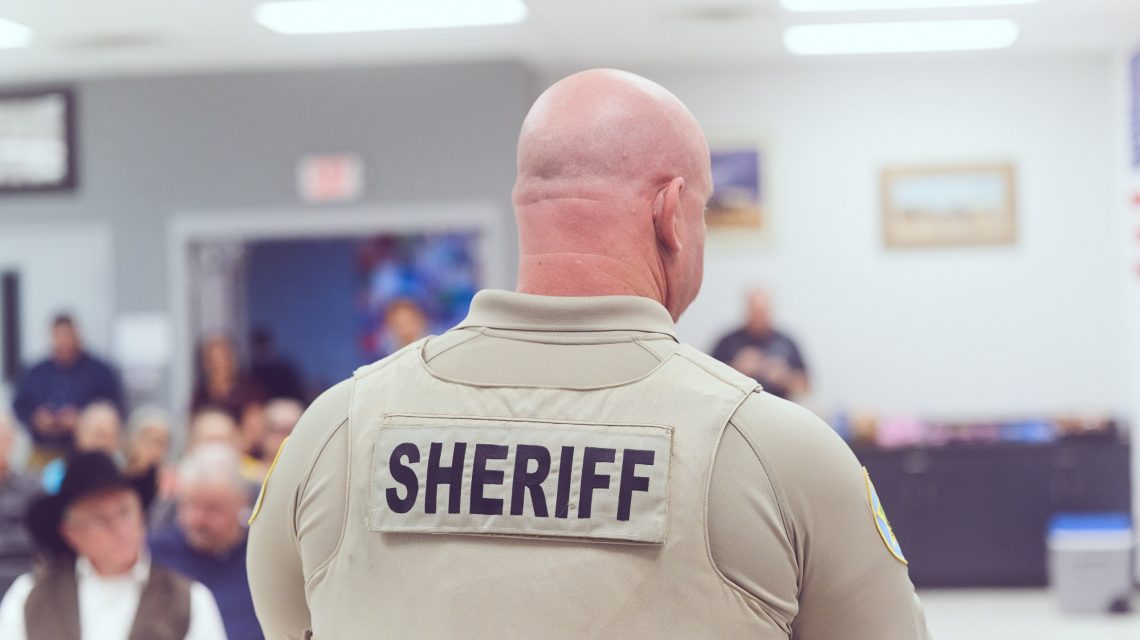
A federal judge has refused to end oversight of the Maricopa County Sheriff’s Office, emphasizing ongoing racial disparities in traffic arrests involving Latinos. The ruling highlights insufficient evidence that improvements can persist without legal monitoring.
In a detailed 72-page ruling, U.S. District Judge G. Murray Snow underscored Sheriff Jerry Sheridan’s impact on racial profiling within the department. Since the case began over ten years ago, Sheridan has resisted court-ordered changes and hindered investigations. Previously the No. 2 under former Sheriff Joe Arpaio, Sheridan was part of the department’s non-compliance with federal law.
The judge criticized Sheridan for manipulating misconduct probes and shielding deputies from accountability. Snow’s opinion, mentioning Sheridan 30 times, pointed to Sheridan’s abuse of authority over internal affairs.
The sheriff’s office declined to comment on Snow’s remarks about Sheridan. However, Sheridan claimed to Arizona Luminaria and ProPublica that he disagrees with Snow’s comments.
“I was very truthful. To this day, I think he got that wrong about me,” Sheridan said.
Judge Snow acknowledged that some areas identified for oversight previously may no longer need tracking, conceding the burden involved. Despite cost concerns, Maricopa County filed a motion to end oversight in December, arguing that violations no longer occurred. Yet, federal oversight, dating back to a 2007 class action lawsuit for racial profiling, remains due to persistent racial disparities.
The lawsuit, originally named Melendres v. Arpaio, addressed constitutional rights violations against Latinos by Arpaio’s traffic sweeps. Snow ordered comprehensive traffic stop documentation and the appointment of investigators for misconduct reports.
Snow reaffirmed the department’s ongoing racial biases. Data indicates Latino drivers face higher arrest rates and longer stops compared to white drivers, suggesting sustained disparities.
For court oversight to end, complete compliance for three years is necessary. Meanwhile, Arizona Luminaria and ProPublica’s investigations show persistence in racial disparities, despite calls to cease oversight.
Under Arpaio, Maricopa County tested the Immigration and Customs Enforcement’s 287(g) program, allowing local law enforcement to enact federal immigration laws. Arpaio’s era involved significant racial profiling, mirroring current widespread accusations under expanded Trump administration policies.
Homeland Security defended against racial profiling accusations, with spokesperson Tricia McLaughlin affirming that American citizens are not arrested for immigration enforcement.
Experts regard the prolonged oversight as a lesson in the challenges of reforming racially biased law enforcement agencies.
In a town hall in Gila Bend, Arizona, in 2025, Sheridan, a Republican, faced civil contempt charges for ignoring a court order against illegal immigration arrests. His history with the settlement began upon taking office in January 2025.
A 2025 evaluation revealed the department complied with most requirements but struggled with racial bias elimination and swift misconduct investigations.
Sheridan argued the department no longer follows racially biased policies from Arpaio’s tenure and should function independently of oversight. The original motion from the county noted policy improvements and workforce changes as evidence of progress.
The U.S. Department of Justice initially supported Snow’s reforms but later backed oversight termination under the Trump administration.
County leaders expressed disappointment over the continued oversight, while a lone Democrat on the board insisted on persisting efforts to abolish racial bias.
“The court has maintained an unelected and unaccountable federal monitor over MCSO – creating bureaucracy and regulatory burdens that have cost taxpayers hundreds of millions of dollars,” said Kate Brophy McGee and Debbie Lesko in a joint statement. They argued that these ‘oversights’ detract from public safety.
Following financial complaints regarding oversight costs, the court audited sheriff’s office expenses, discovering major inaccuracies in fund allocation.
Sheriff’s office officials welcomed portions of the latest ruling. Sgt. Joaquin Enriquez mentioned optimism over the framework provided by the judge.
Sheridan explained to KTAR News the challenges in satisfying all parties involved in the lawsuit, remarking on the difference of opinions between the sheriff’s office and monitor regarding compliance.
Court findings underscore the lack of assurance that fundamental violations will not resurface if oversight ends.
Raul Piña, a member of a community advisory board, emphasized the systemic issues beyond leadership, calling for broad reform to solve persistent bias.
“You can paint the house, but if the foundation is broken you will have the same problem,” Piña told Arizona Luminaria and ProPublica.
The American Civil Liberties Union of Arizona, instrumental in filing the lawsuit, welcomed the reinforcement of court oversight.
Senior staff attorney Christine Wee stated, “Any other decision would have had a devastating impact on Maricopa County’s Latino residents,” validating the continued need for scrutiny.
These legal proceedings demonstrate that MCSO is not ready to conclude the court-directed reforms.
 Federal Appeals Court Decision Against Trump’s ‘Third-Country’ Deportation Policy
 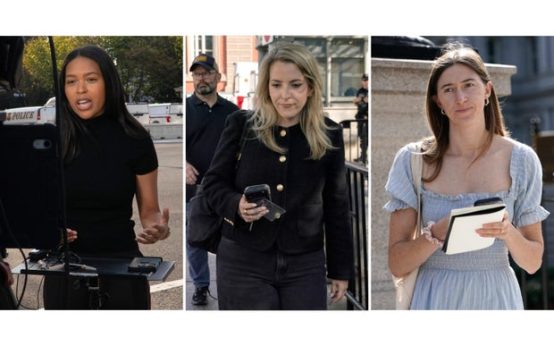 President Trump’s Controversial Ban on Media Outlets Sparks Press Freedom Concerns
 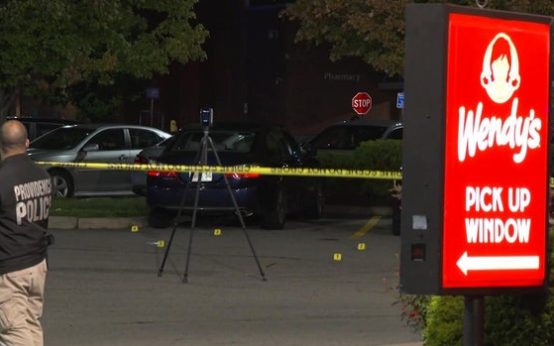 UMass Dartmouth Football Player Killed in Providence Stabbing Incident
  U.S. Security Agreement in Greenland Sparks Optimism and Concerns
  Cook County’s Property Tax Bridge Loans
  A Controversial Stance on Immigration Policies Sparks Debate in South Carolina