
Hungary is undergoing significant political changes following the election of Prime Minister Péter Magyar, who defeated former Prime Minister Viktor Orbán in April. Orbán was a close ally of former U.S. President Donald Trump, and the new administration’s focus is now on combating corruption, liberalizing state institutions, and strengthening relationships with European allies. Magyar’s rise to power has sparked comparisons to potential political shifts in the U.S. after the Trump era.
Despite the transition, Hungarian Foreign Minister Anita Orbán expressed that Hungary aims to maintain robust ties with the U.S., particularly within the framework provided by NATO. Speaking at the United Nations General Assembly, she emphasized the importance of continuing partnerships and agreements previously established with the Trump administration.
“The relationship between the two countries is solid,” Anita Orbán stated. “The main alliance is, of course, NATO.”
During Trump’s tenure, some European nations faced criticism from the U.S. administration regarding defense spending and immigration policies. However, Viktor Orbán aligned closely with Trump’s worldview, expressing skepticism towards the European Union and fostering strong ties with Russia, which contributed to Hungary’s electoral dynamics.
After Viktor Orbán’s defeat, Trump described Magyar as “a good man,” signaling potential continued rapport between Hungary and the United States.
Anita Orbán highlighted Hungary’s conservative values, such as promoting faith and defending family structures. Addressing illegal migration remains a priority, reflecting policies established under Viktor Orbán. She noted the government’s mandate to protect borders while carefully considering areas for continuity and change.
The Magyar administration is mindful of the complexities inherent in EU relations and international dynamics. Anita Orbán stressed the importance of advocating for Hungary’s national interests and actively participating within the EU and NATO.
“We want to return to our alliances, which is EU and NATO as a trusted, constructive partner,” she explained. “But it does not mean that we’re not defending our national interests.”
The strategy includes initiatives to boost Hungary’s economy, education, and healthcare, aiming to bolster mainstream political movements across Europe. These efforts contrast with previous governments’ rhetoric, which often emphasized external threats.
On the international stage, Hungary faces the challenge of addressing tensions related to Russian actions in Ukraine. Anita Orbán recognized the threat posed by Russian activities but advocated for maintaining diplomatic channels while opposing misinformation and interference campaigns.
Despite expelling Russian diplomats, Hungary remains engaged in diplomatic dialogue with Russia, acknowledging its role as both an energy supplier and regional influencer.
 Arrest of Several Men in Gloucestershire on Explosives Charges
 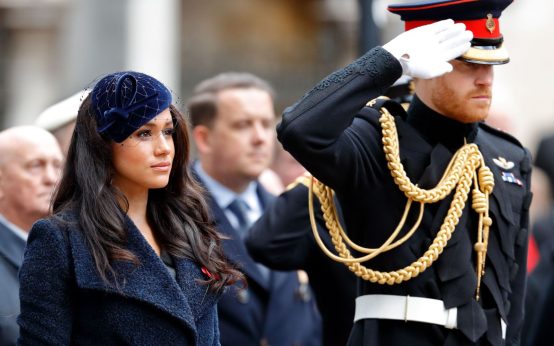 Upcoming Events and Challenges for Prince Harry and Meghan Markle in the U.K.
 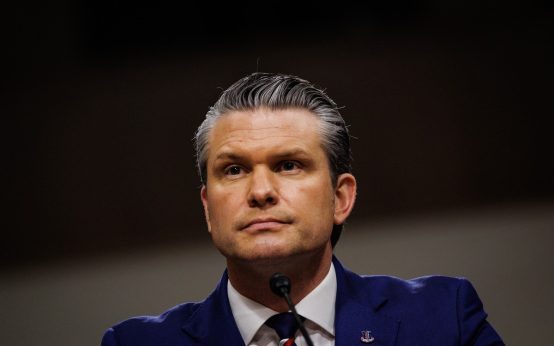 U.S. Navy Confirms Increase in Injured Troops from Iran Conflict
  Major Incident Declared Near British Airbase
 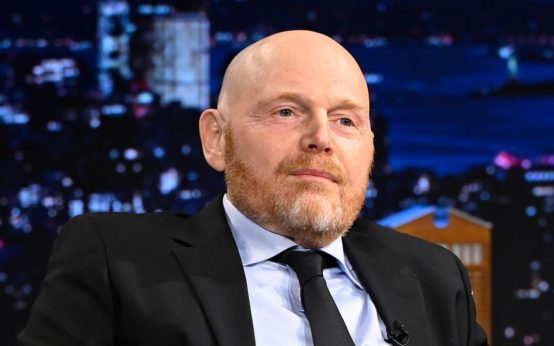 Bill Burr Discusses the Impact of a High-Profile Murder Case and His Evolving Comedy Perspective
 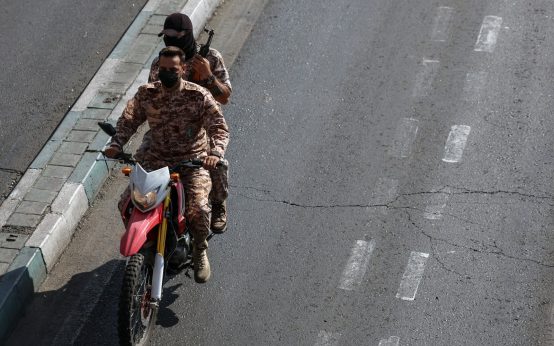 Iran War Debate Among Senate Nominees