
In a campaign video, Abdul El-Sayed, Michigan’s Democratic Senate nominee, criticizes the ongoing war, linking high gas and diesel prices to a conflict he deems unnecessary. His Republican adversary, Mike Rogers, endorsed by President Trump, stops short of labeling the war as unnecessary but urges for a swift conclusion. A similar sentiment is echoed by Ashley Hinson, Iowa’s Trump-backed Senate contender, emphasizing a prompt and successful end to the conflict.
The call for the war’s conclusion seems to unite Senate nominees from both parties concerning Iran. However, contention arises over the terms of peace, particularly if Democrats gain legislative control after the upcoming elections. Essential questions need addressing for any lasting Iran settlement.
Tehran questions whether Washington will honor agreements after subsequent elections, demanding bipartisan Congressional support. For Washington, it queries if Tehran will adhere to the terms, necessitating verifiable provisions.
Recent history illustrates challenges. The 2015 nuclear accord cleared Congress without Republican backing, leading Trump to withdraw in 2018. His own memorandum with Tehran quickly unraveled. Democrats aim to tackle this dilemma through bipartisan support, adapting Trump’s critiques of previous deals to prevent future Republican repudiation.
Democratic goals mirror Trump’s perception more closely than their rhetoric suggests. Representative Gregory Meeks, ranking Democrat on the House Foreign Affairs Committee, criticizes the ongoing war for leaving Iran’s nuclear and missile prowess intact. He advocates for multilateral dialogue to alleviate tensions.
On the other hand, Virginia’s Senator Tim Kaine considers Trump’s June memorandum excessively lenient, arguing it offers too much for too little in comparison to the 2015 agreement. Connecticut’s Senator Chris Murphy expresses readiness to endorse any deal terminating the war, despite potentially granting Iran a strategic victory.
The Pentagon reports 19 American military fatalities and over 820 injuries. The Congressional Budget Office reveals combat operations have cost around $38 billion. The war exacerbates fuel prices, with gasoline nearing $4.50 and diesel hitting $6.53 a gallon, failing to reopen strategic chokepoints.
Democratic efforts culminated in three war-powers resolutions since June. Although the House passed one resolution, the Senate’s narrow rejection indicates ideological divides. Questions loom over the enforceability of such resolutions against presidential authority.
At the United Nations, Trump remarked Iran was stalling negotiations, anticipating midterm election outcomes. Such timing risks congressional review by an outgoing Republican legislature.
Negotiators contemplate exchanging reopening Hormuz for eased blockades, albeit with disagreements over initial steps. Tehran signals openness to modifying transit fee demands, contrasting with earlier Maritime Organization rulings against tolls.
Military blockades, described as acts of war by Meeks, confront efforts to end hostilities through legislation. Previous ambiguities, evidenced in June’s memorandum granting temporary toll-free passage, complicate strait administration debates.
September’s Democratic resolution provides exceptions for countering imminent threats, but ambiguity persists over protection for neutral vessels.
The nuclear issue presents challenges, with the IAEA reporting no access to Iranian nuclear sites since June, detailing a blackout situation. Trump’s issues with 2015’s deal gain justification amidst limited visibility and increased uranium stockpiles.
Democrats face the question of backing agreements necessitating Republican endorsement, matching an agreement negotiable by Trump. Future Democratic presidents will similarly require bipartisan support.
The real test lies in detailing specific terms of engagement, inspection access, relief sequencing, and whether the outcome constitutes a memorandum or Congressional-reviewed agreement. Clarity in these areas potentially unravels Trump’s complicating legacy.
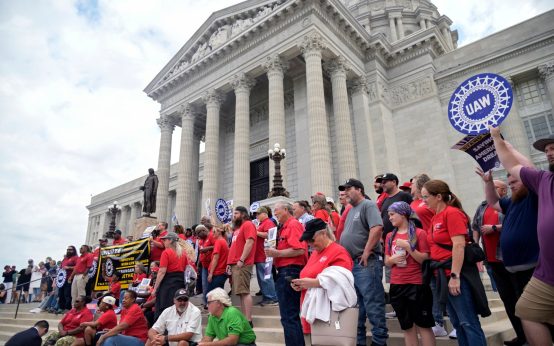 Supreme Court Rejects Missouri’s Trump-Backed Congressional Map: Analysis and Implications
  Talarico’s Narrowing Poll Lead Over Paxton in Texas Senate Race
 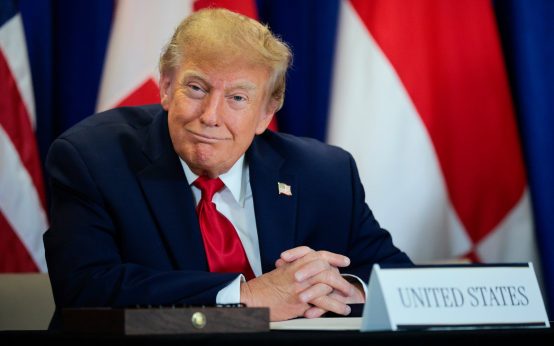 House Democrat Introduces New Articles of Impeachment Against Trump
 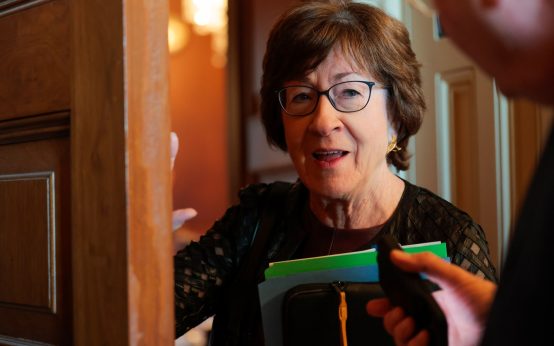 The Maine Senate Race: Susan Collins vs. Troy Jackson
 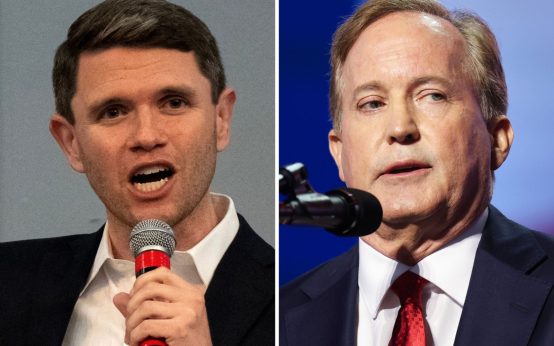 Texas Senate Race: Talarico Challenges Paxton to Fox News Debate
  Judge Holds DHS in Contempt Over Deportation