
Felicita Piñón was born weighing only 1 pound. Diagnosed with cerebral palsy, she uses a power wheelchair and faces learning and emotional challenges. Despite these, she lives like any active teen. In 2025, Felicita made a notable move by testifying against a school voucher bill at the Texas Capitol.
In 2024, Felicita wanted to join a cheerleading team at her school in Crowley, Texas. Her mother, Liz Piñón, believed the school was not accommodating her as required by federal laws. Liz felt this was discrimination based on disability and race, considering other schools had cheerleaders in wheelchairs. Consequently, Liz filed a complaint with the federal Education Department’s Office for Civil Rights (OCR).
The OCR provides a vital safety net when local schools fail to comply with federal disability standards. However, budget cuts have led to many complaints being dismissed without investigation.
The Office for Civil Rights has been instrumental in enforcing federal civil rights laws. It ensures no discrimination in schools based on race, color, origin, sex, disability, and age. Parents often approach this office after failing to resolve issues with local education authorities.
Due to significant budget cuts in March 2025, nearly half of the Education Department’s workforce was laid off. The OCR saw a reduction from 575 employees to 299. Litigation led to some reinstatements, with a November 2025 report showing 446 staff members at the OCR. However, communication issues persist, with many complaints dismissed without investigation.
Education Secretary Linda McMahon claimed the cuts were for accountability and efficiency. The Department of Justice assumed a larger role in civil rights investigations by mid-2026, causing concern among advocates about its capacity to protect students’ rights.
Despite 9,000 new complaints between March and September 2025, about 90% were dismissed. Parents receive little to no feedback, according to disability rights advocates like Robyn Linscott from The Arc of Texas. Denise Marshall from the Council of Parent Attorneys and Advocates highlighted that many parents now must resolve educational issues independently or hire legal help.
The federal oversight system for education isn’t perfect. The Individuals with Disabilities Education Act (IDEA), passed in 1975, guarantees rights for students with disabilities. However, enforcement requires consistent federal oversight. In Texas, for instance, federal intervention was necessary when the state failed to provide required education services. Texas is an example of federal oversight’s impact as it pushed the state to improve compliance with IDEA.
Despite recent improvements, the current lack of oversight may undermine progress. It is critical for the government to maintain its role in ensuring equity and compliance in education for students with disabilities.
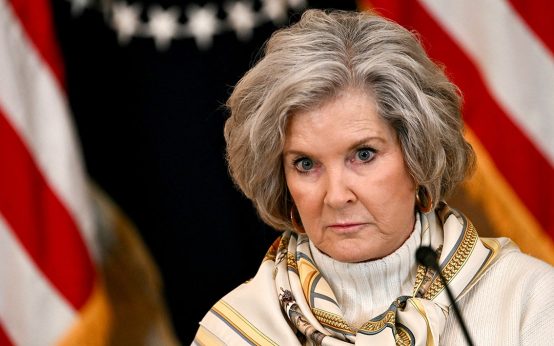 White House Chief of Staff Susie Wiles on Battling Cancer While Working
  Trump Criticizes Supreme Court Over Missouri Redistricting Decision
 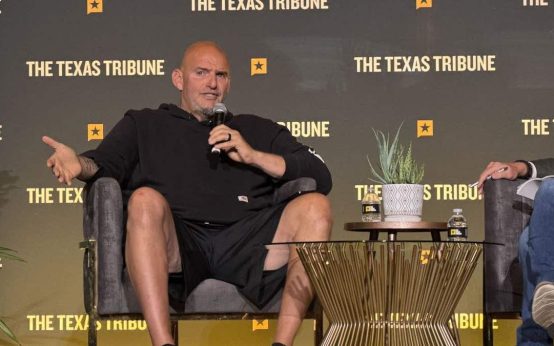 Senator John Fetterman Clarifies Political Affiliation After Misstatement
  Gov. Newsom Signs New Rules for Industrial Companies
 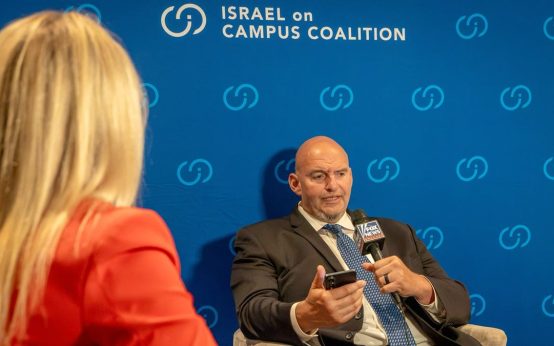 Senator John Fetterman Discusses Democratic Party and Support for Israel
  Trump’s Public Appearance at the Presidents Cup