Officials from the Trump administration have expressed confidence that economic pressures will drive Iran towards a deal despite ongoing tensions. Talks between U.S. and Iranian officials took place this week, though they concluded without any significant announcements. According to Tommy Pigott, a State Department spokesperson, President Trump remains in a strong negotiating position.
On the domestic front, Americans are experiencing financial strain due to rising gas prices. The national average for regular gasoline has reached $4.49 per gallon, an increase from $3.16 the previous year. This spike is attributed to heightened oil prices and instability in the Strait of Hormuz.
During the United Nations General Assembly, Secretary of State Marco Rubio acknowledged these challenges but emphasized the importance of preventing Iran from obtaining nuclear capabilities to avoid greater future costs.
“The cost of not taking action is substantially higher, especially for future generations,” Rubio stated.
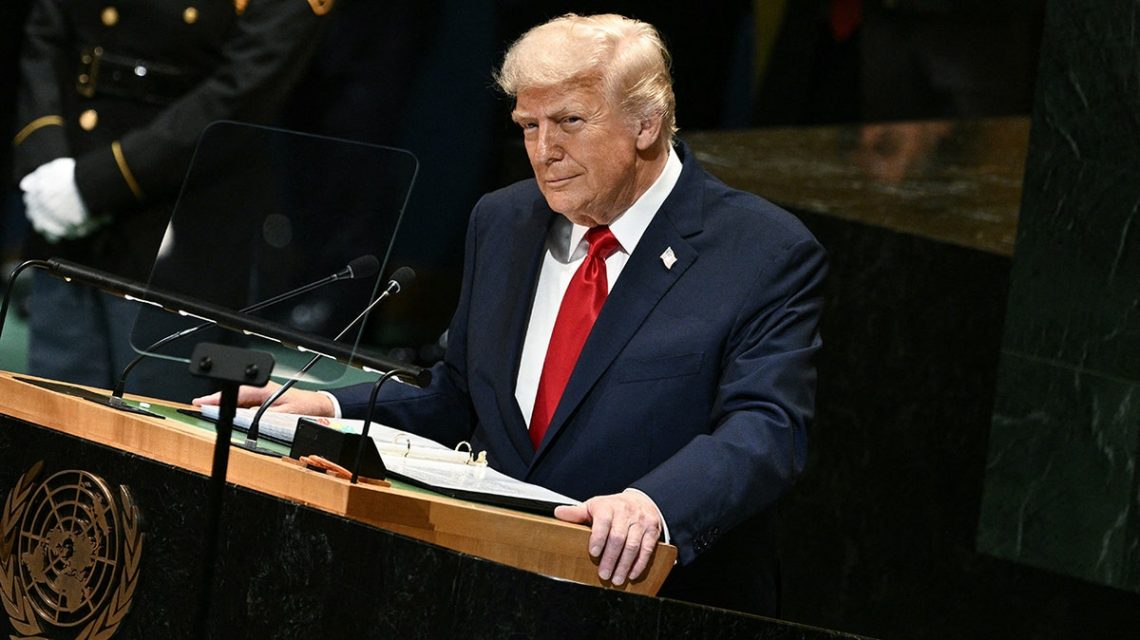
President Trump addressed the U.N., presenting Iran with a stark choice between reaching a deal or facing intensified U.S. actions. Trump predicted that Iran would opt for a deal due to the pressures they face.
The administration reported a productive three-hour discussion with Iranian counterparts, fueled by optimism about finding common ground. Meanwhile, American control of the Strait of Hormuz reinforces the U.S.’s strong position, with substantial oil shipments continuing despite regional disruptions.
Iran has since put forward a proposal, as confirmed by Iranian Foreign Minister Abbas Araghchi. This plan outlines a seven-day strategy to restore passage through the Strait, contingent upon certain conditions being fulfilled. The talks are evolving, with a mediator describing recent discussions as promising.
Highlighting the strategic importance of the Strait of Hormuz, Tommy Pigott emphasized the ongoing economic effects on Iran due to U.S.-led sanctions and restrictions.
“We are seeing oil move through the Strait of Hormuz, increasing every single day,” Pigott noted. “Economic actions are having a devastating effect on the Iranian regime.”
Rubio addressed perceptions that Iran might be waiting for U.S. midterm election results, believing this could alter negotiations. He dismissed such assumptions, pointing out Iran’s misunderstanding of the U.S. political system’s checks and balances.
The administration remains vigilant regarding energy infrastructure threats in the region, particularly from Iran-backed Houthi rebels and Shiite militias in Iraq.
On the matter of defense commitments, Rubio emphasized the strategic partnership between the U.S. and Saudi Arabia, affirming ongoing support and cooperation.
 Calm Amidst Crisis: Finnish President Stubb on Europe’s Security
  Couple from Greece Faces Maternity Age Limit After Tragically Losing Son
  Protests Erupt in Madrid Over Housing Crisis After Elderly Woman’s Eviction
  U.K. Police Arrest Multiple Suspects Near U.S. Airbase
  Four American Tourists Among Fatalities in Greece Explosion
 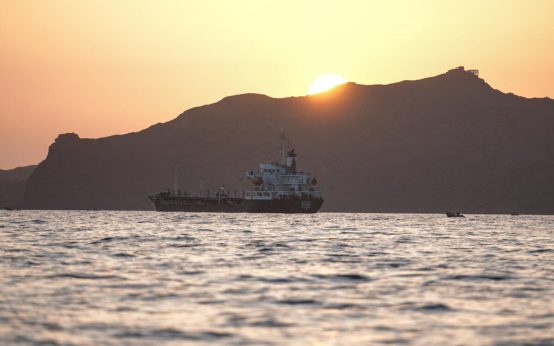 Bab el-Mandeb: Strategic Importance Amid Conflict