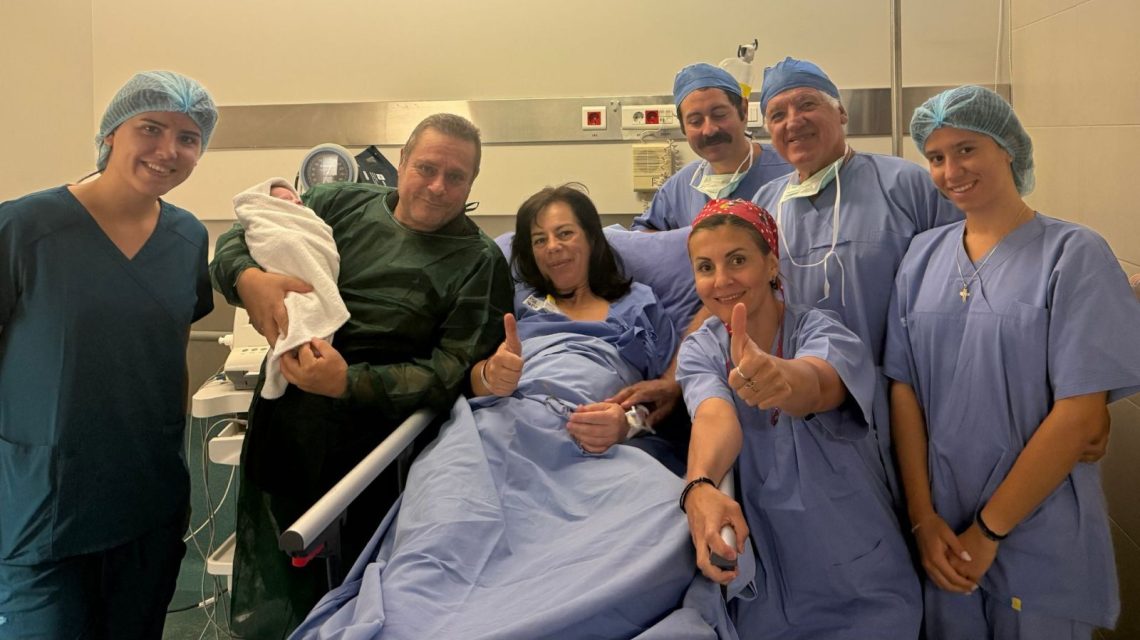
A couple in Greece garnered significant attention worldwide after welcoming a healthy baby girl using embryos frozen 22 years ago. This same batch had previously led to the birth of their son, who recently passed away. At 54 years old, Christina Rapti-Tzelepi gave birth earlier this month following in vitro fertilization (IVF) in December 2025 at Genesis Athens Clinic through embryos frozen on March 17, 2004.
New Beginnings Amid Great Loss
After losing their son, George, in October 2025, Christina and her husband Konstantinos decided to have another child. To their challenge, Greece imposes a maximum age limit of 54 for women seeking IVF. As a result, the Rapti-Tzelepi couple had to expedite the process while grappling with their son’s loss. Newlife IVF Greece notes that this age cap is in place due to severe medical risks associated with pregnancies among older women. Concern also exists regarding the natural limitations of the female reproductive system. The couple is now advocating for changes to this legislation.
A Journey Through Grief and Hope
The couple shared their emotional journey with Newsweek, from profound grief to newfound joy, alongside their call for legislative change. Dr. Konstantinos Pantos, who served as their gynecologist and Secretary General of the Greek Society of Reproductive Medicine, provided translation during their discussion.
A Fight Against Time
The Rapti-Tzelepis, connected through friends about 30 years ago, always harbored a desire for a family. After struggling to conceive naturally for three years, they recognized IVF as necessary for parenthood. Their first IVF attempt at Genesis Athens Clinic resulted in Christina’s pregnancy with George, delivered via cesarean section due to birth complications. Concerns regarding Christina’s uterus anatomy led doctors to caution against future pregnancies. Despite these warnings, they kept 12 embryos frozen at Genesis Athens Clinic.
In October 2025, tragedy struck when George died in a car accident. His father expressed emotional devastation, describing a “void no words can describe.” Amid grief, the couple longed for another child, acknowledging safety concerns but determined to cope differently. Christina conveyed the desire to close this chapter of their lives and recapture completeness by starting anew.
Konstantinos believed their son would want them to pursue happiness and family continuity. As Christina approached age 55, potentially disqualifying her from available IVF services in Greece, legislation pressured the couple for expedient progress.
Dr. Pantos recalled unprecedented emotional sorrow within a pregnancy while managing their case. Konstantinos initially avoided attendance at appointments, overcome by the loss of his son. Only when their daughter’s birth did Pantos notice Konstantinos smile.
A New Path Ahead
Despite past advisories against future pregnancies, Christina and Konstantinos proceeded with caution under Dr. Pantos’ guidance, emphasizing safety throughout. Christina appreciated Pantos and the team’s attentive care and support, expressing deep gratitude.
The couple conceived their daughter with the transfer of three embryos from the 2004 batch. Dr. Pantos noted that the pregnancy proceeded smoother than anticipated, resulting in the child’s birth at 39 weeks and two days, weighing 7.6 pounds approximately. Seeing their newborn filled them with renewed hope and gratitude as they embraced their second chance.
Similar to their son, the couple plans to share their daughter’s IVF conception story once she’s older, learning from their experience to remain resilient and faith-driven amid adversities.
Advocacy for Legislative Change
Despite recent joy, challenges persist for the Rapti-Tzelepis couple due to Greece’s maternity age restrictions. Christina recognizes her advancing age yet desires more children to prevent their daughter from facing solitude later in life. Her successful current pregnancy fuels frustration toward the perceived injustice of rigid legal age limitations. Considering going abroad if no legislative adjustments occur, the couple insists on a reevaluation.
Dr. Pantos endorses their calls for change, emphasizing the need for legislative flexibility to allow couples the benefit of mourning periods without IVF deadline pressure. He advocates for broader considerations of circumstances and women’s capabilities, recognizing the increasing trend of delayed motherhood within Greece.
Recent Eurostat data reflect an increase in Greece’s average first-time childbirth age to 31.2 years, exceeding the European Union average of 29.9 years. While Dr. Pantos acknowledges necessary age limits, strict adherence shouldn’t overshadow individual life-quality aspects.
 Pacific Hurricanes Nolo and Polo Pose Threats to Hawaii and Mexico
  Calm Amidst Crisis: Finnish President Stubb on Europe’s Security
  Protests Erupt in Madrid Over Housing Crisis After Elderly Woman’s Eviction
  U.K. Police Arrest Multiple Suspects Near U.S. Airbase
  U.S. Officials Confident in Iran Negotiations Amid Rising Tensions
  Four American Tourists Among Fatalities in Greece Explosion