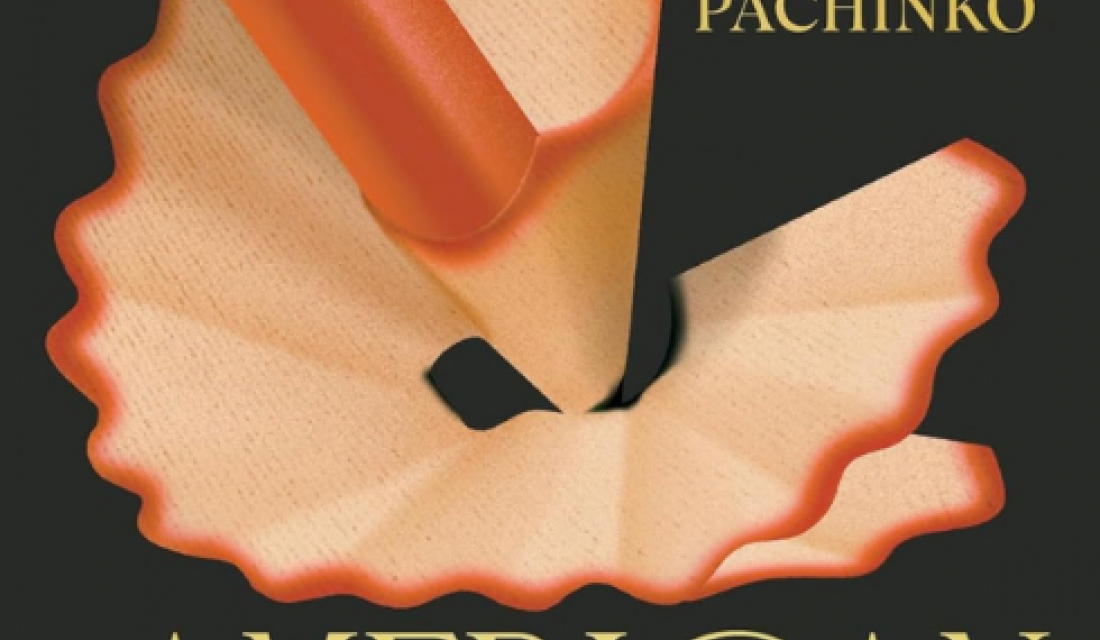
Introduction to American Hagwon
Cardinal Min Jin Lee’s novel, American Hagwon, has been in development for nearly a decade. It forms the third part of her planned four-novel series about the Korean diaspora. The preceding novel, Pachinko, was a finalist for the National Book Award. American Hagwon provides a broad yet intimate perspective on immigration, the tenuous promise of America, and the purpose of education.
The novel is over 600 pages, engaging both the intellect and emotions. The main focus is the Koh family, anchored in this dense narrative spanning from 1992 to 2007. John and Helen Koh have returned to Seoul from Sydney, Australia, where John worked for a Korean conglomerate. Their children, Bo, DH, and Mido, were born in Paramus, New Jersey. With their nomadic lifestyle, Korea doesn’t feel like home, especially for 13-year-old Mido, who struggles in school.
Betrayal and Transition
Korea proves to be temporary due to betrayal by John’s friend and superior, Taehun Shin. Shin, characterized by clear career goals but murky personal life, becomes infatuated with a young employee, Danbi. Facing pressure to leave his wife, Shin instructs John to sabotage Danbi at work. John hesitates but complies. Danbi retaliates, causing John’s downfall. The novel shifts to 1997, amid the Asian financial crisis, situating the Kohs in Southern California alongside other detailed characters, including Shin and Danbi.
The Kohs struggle yet survive with the help of family, friends, and the Korean church. John finds work at Shrimp Castle, adjusting to harder circumstances. The novel describes his arduous workday, emphasizing the exhausting reality faced by many characters.
The Role of Education
Education is central to the novel. All three Koh children work at a hagwon, a private prep academy. Typically, hagwons focus on academic excellence aimed at entry into Ivy League schools. However, the academy they are involved with is led by Lion, an idealist with different views.
A pivotal scene includes Lion addressing 500 Korean parents, advocating for education to be transformative rather than merely transactional. This resonates strongly with supporters of liberal arts education.
Lee’s Writing Style
Lee’s narrative style in American Hagwon contrasts the “show, don’t tell” writing rule, using extensive exposition without losing engagement. Her storytelling extract profound realizations from simple scenarios.
The novel’s final sentence, featuring the word “his,” delivers a final spiritual and emotional impact, encapsulating Lee’s narrative expertise. American Hagwon stands as a powerful literary work about human experiences within migration.
 Art Collective Strikes with Game Console Installation on National Mall
  Robert Davi Leaves California Due to Crime and Political Issues
 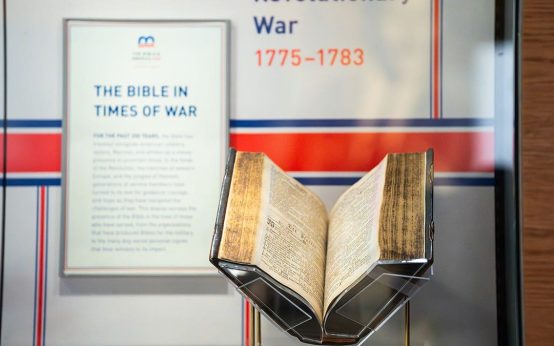 Bible’s Role in War: A Historical Exhibition
  Arrival of Giant Pandas Strengthens U.S.-China Relations
  The Enduring Obsession with True Crime in Modern Media and Culture
 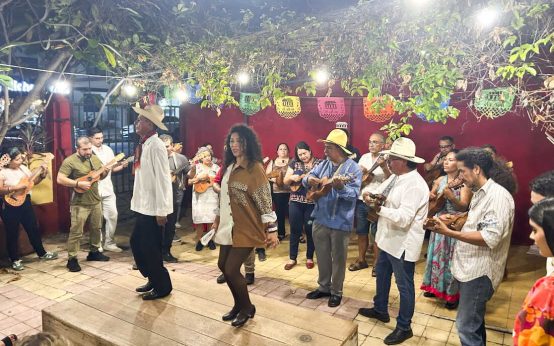 Revival of Son Jarocho: A Musical Heritage in Veracruz