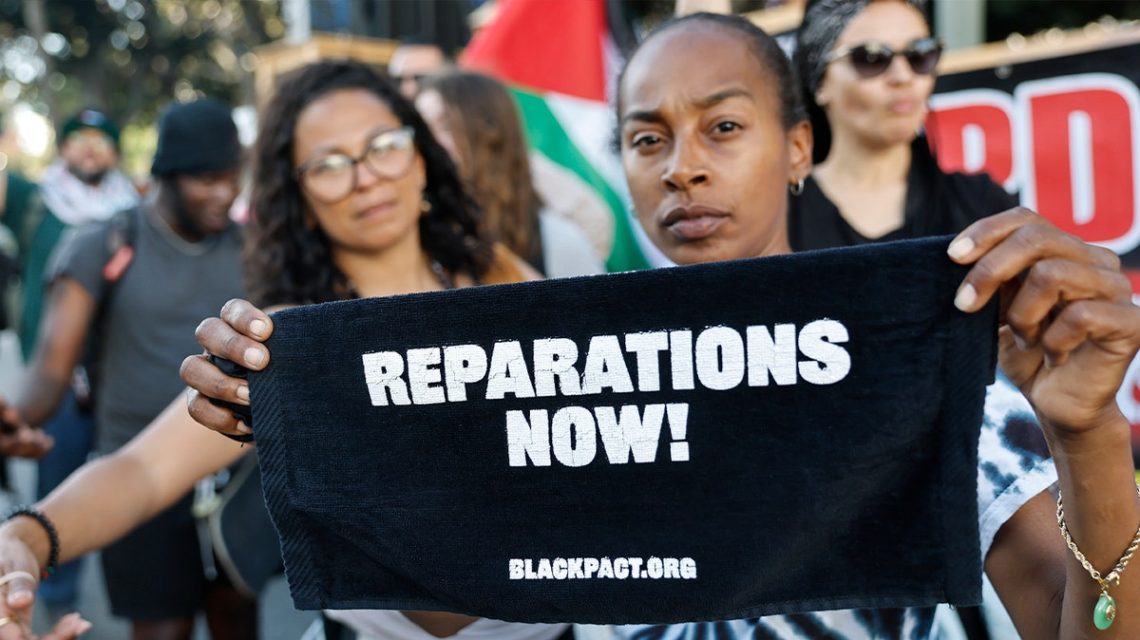
The U.S. Freedmen Project, a grassroots organization, finds itself at the center of a heated debate over reparations in New York. The group, representing direct descendants of enslaved individuals in the U.S., expressed frustration at delays in a significant study on reparations. Their president, Devine Prince, criticized the prolonged efforts without financial compensation, suggesting these policies do not align with the 14th Amendment’s prohibition of race-based policies.
This organization aims to highlight the differences between African Americans with roots in slavery in the U.S. and more recent African or Caribbean immigrants. The New York State Community Commission on Reparations Remedies recently extended its final report deadline, originally set for 2025, by two years to 2029 after a provision was added to a state budget.
The New York Civil Liberties Union (NYCLU) also voiced concerns. Chantelle Williams from the NYCLU’s Racial Justice Center commented on the harm caused by the delay, highlighting the enduring discrimination affecting Black communities statewide.
Established by Democratic Governor Kathy Hochul in 2023, the commission investigates New York’s history of slavery, Jim Crow laws, and economic disparities. They aim to propose ways for state-level compensations and policy reforms. Despite completing public hearings, lawmakers extended the timeline due to changing legal landscapes, marked by challenges to diversity and inclusion policies, as noted by Assemblymember Michaelle C. Solages.
The decision to adjust the commission’s timeline also shields its members from being personally sued over their findings. However, the U.S. Freedmen Project opposes broad race-based reparations, advocating instead for programs focused solely on direct descendants of enslaved individuals in the U.S. Prince asserted that some members uphold the status quo to benefit from existing ideology.
Supporters believe broader race-based legislation contradicts the Constitution’s Equal Protection Clause and advocate for lineage-specific criteria to minimize legal risks. This approach reflects trends seen in other areas, such as Evanston, Illinois, where reparations were distributed through housing grants to eligible Black residents.
Despite these hearings and proposals, Prince remains doubtful about the outcome, pointing to ignored recommendations and expertise previously offered to the New York Legislature. He predicts no tangible results or compensation moving forward.
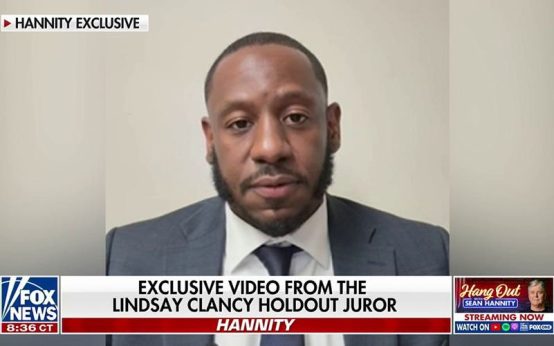 Lindsay Clancy Holdout Juror Asks for One Thing in New Video After Mistrial Drama
  Nor’easter Causes Damage and Disruptions Along East Coast
 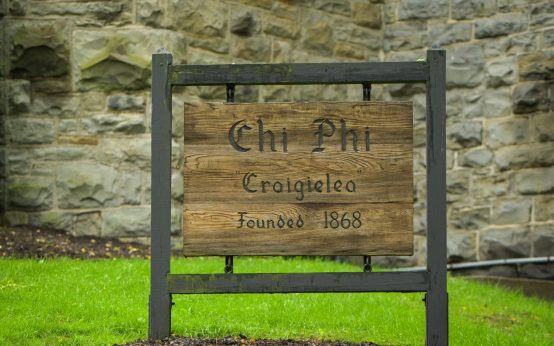 Cornell University Investigates Gang Rape Allegations
  California Takes Action Against ‘Ghost Tickets’ with New Legislation
 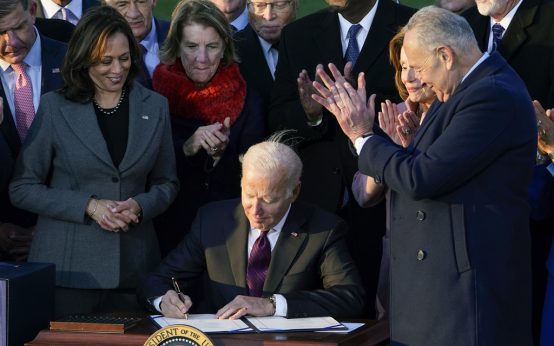 Renewable Energy Expansion and Economic Challenges
 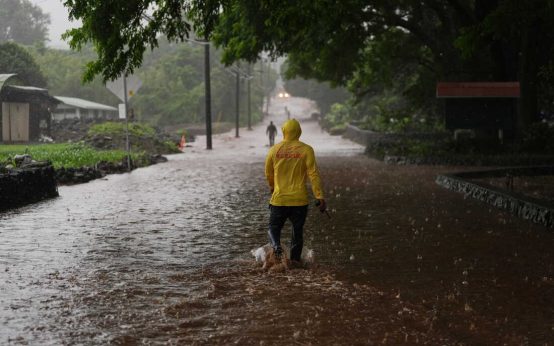 Pacific Hurricanes Nolo and Polo Pose Threats to Hawaii and Mexico