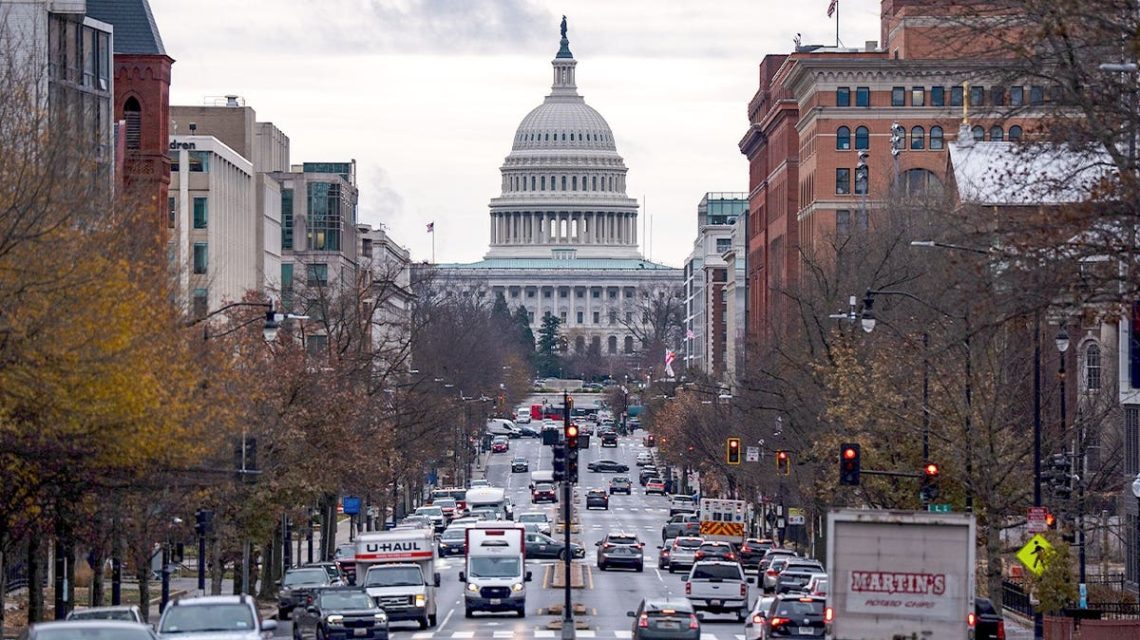
Congress experienced a rare calm this fall, missing the usual chaos of an imminent government shutdown. Historically, the government faces funding deadlines at the end of September, marking the federal fiscal year end. This year, lawmakers resolved the funding puzzle early.
Typically, autumn in Congress is tense. While many enjoy seasonal activities, Capitol Hill often sweats out a budget crisis. Yet, this year defied expectations.
TRUMP AVERTS SHUTDOWN WITH FUNDING BILL
President Trump signed a funding bill, preventing a shutdown and allowing for a smoother fall. Unlike last year’s prolonged 43-day shutdown starting in October, everything is funded through December 11. This grants members, journalists, and the public more freedom to enjoy fall festivities without looming budget fears.
As midterms near, legislators are wary of past battles. The focus shifts to post-election discussions on spending, likely intensified by potential party shifts. If Democrats seize the House or Senate, Republicans may aim to solidify funding plans before any changes in power. Conversely, if Democrats gain control, they may press for interim solutions, hoping to negotiate anew in the upcoming year.
The Senate’s filibuster rule requires 60 votes to pass budget measures, posing challenges, especially for Republicans seeking support from Democrats. Similar issues stalled the Senate during the 2025 shutdown, when a House-approved spending plan couldn’t clear the threshold.
HISTORICAL PARALLELS AND POSSIBLE SHUTDOWN
Past events warn of future risk. When Democrats gained House control in 2018, spending disputes led to a lengthy government closure. A similar scenario could unfold, leading to another shutdown when Congress reconvenes.
The potential for political upheaval remains. New progressive Democrats and Democratic Socialists, like Melat Kiros and Darializa Avila Chevalier, may influence the Democratic strategy, adding complexity to negotiations.
Republicans face internal challenges, too. Speaker Mike Johnson’s position may waver if Republicans lose the House. Rep. Jim Jordan, a close Trump ally, may vie for leadership if shifts occur. Meanwhile, Senate dynamics are volatile, with leaders like Chuck Schumer and John Thune’s futures in question, should election results prompt change.
Beyond budgets, discussions may cover renewing FISA, adjusting college sports legislation, and aligning House and Senate positions in a critical lame-duck session.
This season, unlike prior falls, lacks disruptive government shutdowns. Yet, post-election, Capitol Hill braces for renewed budget debates.
 Oregon School District Sued Over Denied Curriculum Reimbursement
  Democrats Anticipate Senate Gains Amid Poll Cautions
  Republicans Face Reelection Challenges Amidst Rising Living Costs
  Cornel West and Sean Hannity: Discussing Differences with Respect
  The Final Showdown for Congress Control
  President Trump Discusses Key Issues Ahead of Midterm Elections