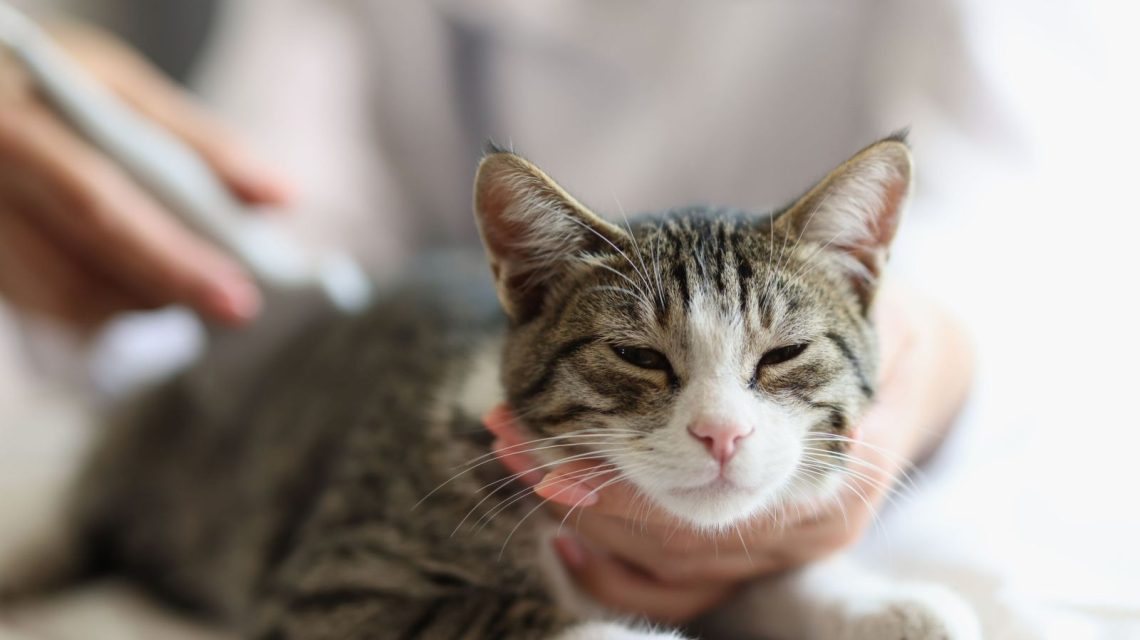
Recent findings indicate that several popular U.S. cat foods contain detectable levels of heavy metals and other contaminants. This follows a report released by the Colorado-based nonprofit, Clean Label Project. Industry representatives, however, challenge the report’s methodology while assuring consumers that their pet food is safe.
What the Study Shows
The Clean Label Project’s research involved testing 100 cat food products from 62 brands. Results revealed lead in 99 percent, cadmium in 96 percent, and arsenic in 94 percent of the samples. Other detected substances included mercury, glyphosate, and chemicals related to plastics.
The report highlights that dry cat foods contained approximately three times more lead than wet or air-dried products. Furthermore, fish and seafood-based formulas exhibited higher mercury and cadmium levels than other protein alternatives. Only three brands, BIXBI, Freshpet, and Smalls, met the nonprofit’s certification standards.
Pet Food Companies Respond
Elise Fennig, CEO of the Pet Food Institute, criticized the report for using the Clean Label Project’s proprietary “purity standard.” She noted this diverges from recognized scientific and regulatory benchmarks from entities such as the Association of American Feed Control Officials and the National Research Council.
Fennig emphasized that the contaminants identified were not found at levels posing a health risk to cats. The report’s reliance on a single batch per product as a limitation was also highlighted by the Pet Food Institute.
Industry Criticism and Report Limitations
The Clean Label Project’s report acknowledged testing only from single batches, which limits conclusions. Disparities between production runs may not be represented. The analysis did not ascertain if specific products are harmful to cats.
Molly Hamilton, executive director of the Clean Label Project, stated that consumers often assume premium prices equate to healthier food. This report suggests otherwise.
Expert Opinions
Jennifer Larsen of the University of California-Davis School of Veterinary Medicine labeled the report as “fearmongering.” She questioned the context provided by the study regarding actual risks to cats. Larsen emphasized the necessity of peer review and data transparency from the Clean Label Project.
Larsen pointed out the report’s approach might have lacked sufficient scientific rigor. She called for further research on the risks posed by chronic, low-level contaminant exposures, while noting that some environmental exposure is unavoidable.
Comparing U.S. and European Cat Food Standards
European regulations on cat food are more centralized compared to the U.S. The EU retains stringent controls over ingredients, additives, labeling, and safety regulations. In contrast, the U.S. regulatory system is decentralized, providing greater flexibility to manufacturers.
The FDA regulates cat food in the U.S., with nutritional standards developed by the Association of American Feed Control Officials. In Europe, cat food falls under animal feed regulation, with guidelines from the European Pet Food Industry Federation. Differences in regulation may result in formula variations between continents.
 Foods Linked to Longevity and How to Include Them in Your Diet
  A Journey from Wedding Joy to Unexpected Health Struggles
  Suspected Plague Outbreak in Siberia: A Detailed Report
  Families Challenge Trump’s Ban on Medical Care for Transgender Youth
  Coping with Dietary Restrictions at Social Events
  Addressing Concerns Over Health Decisions for Young Children