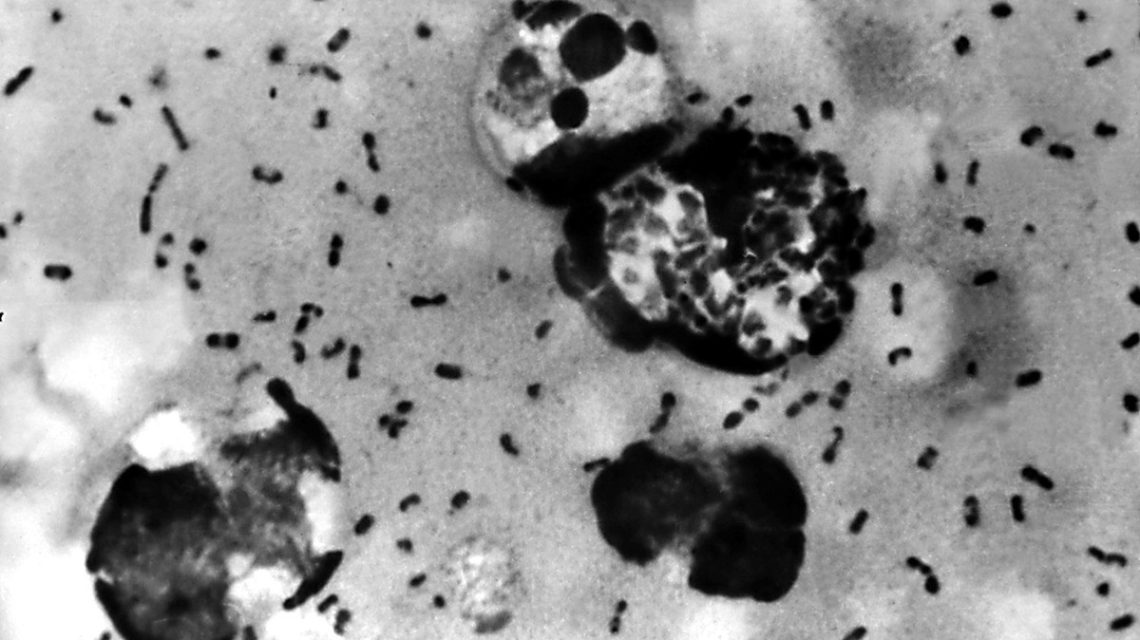
A tragic incident has occurred in Siberia, where a woman has died from suspected plague, prompting a range of anti-epidemic measures from Russian officials. The governor of the Irkutsk region, Igor Kobzev, reported a meeting with the head of Rospotrebnadzor, Russia’s public health agency, regarding this serious infection case.
Daria Shipilova, a 28-year-old lab technician at the Irkutsk Anti-Plague Institute, was identified as the deceased by the People of Baikal publication. The World Health Organization (WHO) reported nearly 4,000 suspected or confirmed plague cases worldwide between 2019 and 2025, affecting ten countries.
Plague transmission occurs through fleas carrying the Yersinia pestis bacterium. Human infection can happen through contact with contaminated material or animals. While the most common type is bubonic plague, Yersinia pestis can also lead to pneumonic and septicaemic plague.
Naturally present in various regions, Yersinia pestis causes sporadic cases, often in Africa. Historically, plague led to millions of deaths, notably the Black Death in the 14th century, which wiped out a third of Europe’s population. Despite its lethal history, modern health expertise considers the plague treatable with antibiotics if detected early.
Local Hospital Quarantine Measures
The death occurred in Shelekhov, a town near Irkutsk city, as reported by People of Baikal. Mayor Maxim Modin declared the local hospital to be in quarantine, halting lab tests and patient admissions or discharges.
A neighboring region’s governor, Alexey Tsydenov, acknowledged a woman had potentially died from plague. With Russian authorities executing thorough anti-epidemic actions, a medical observation was set for several individuals in contact with the woman. Approximately 200 people were identified as having interacted with the deceased, according to reports from Irkutsk media.
Reports indicate that the woman succumbed to pneumonic plague, a claim supported by a well-known Telegram channel connected to Russia’s security services.
Understanding Plague Types
The WHO describes pneumonic plague as the most virulent form, impacting the lungs with a possible incubation period as brief as 24 hours. Symptoms like coughing and shortness of breath denote its contagious nature, easily spreading through respiratory particles.
Bubonic plague, the prevalent type, involves symptoms such as chills, vomiting, aches, and fever due to infected flea bites. It often causes swollen lymph nodes, potentially evolving into pus-filled sores. Bubonic plague can advance to pneumonic plague if it reaches the lungs. In the bloodstream, bubonic plague may result in septicaemic plague.
Mongolia, adjacent to Buryatia, recorded 17 plague cases from 2019 to 2025, causing seven fatalities. Five victims were affected by bubonic plague, two succumbed to septicaemic plague.
A June scientific study disclosed that hunter-gatherers settled near Lake Baikal in southeastern Siberia faced deadly plague outbreaks around 5,500 years ago.
For further inquiries, contact Newsweek editor Edward Pearcey.
 Foods Linked to Longevity and How to Include Them in Your Diet
  A Journey from Wedding Joy to Unexpected Health Struggles
  U.S. Cat Foods Contain Heavy Metals, Study Reveals
  G7 Nations Agree to Release 100 Million Barrels of Oil Amid Rising Fuel Prices
  U.S. Initiates Military Reinforcement at Mexico Border
  Attempted Hijacking on FlyDubai Flight 1073