In a recent episode of The Riley Gaines Show, Amir Odom speaks with Riley Gaines about his reasons for distancing himself from the LGBTQ movement. They explore topics such as Pride Month, political homelessness, cancel culture, BLM, and Trump. Odom shares his perspective on identity politics and the societal pressure to conform to specific political ideologies.
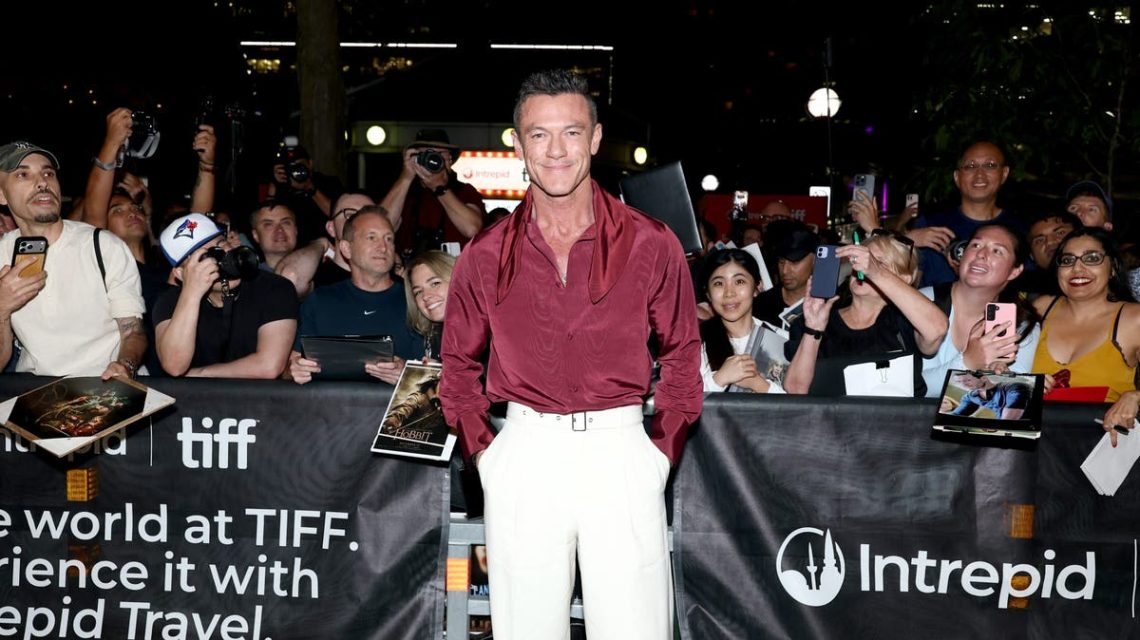
Hollywood actor Luke Evans, in an interview, challenges the notion that being gay dictates one’s political views. Evans emphasizes that sexuality is just one aspect of a person’s identity, stating that people hold diverse opinions regardless of their sexual orientation. “Just because you are gay yourself doesn’t mean you have to be woke,” Evans told The Telegraph. He has played various roles, including straight “macho” characters, and advocates that an actor’s sexuality should not limit the characters they can portray.
Evans said, “If gay people only played gay characters, then I’d have had no career.”
Amir Odom, a Black, gay influencer, recounts his past belief that he had to support Democratic and LGBTQ causes due to his identity. Over time, his views evolved, leading him to reject that political “script.” He realized that personal alignment with every cause was unnecessary to feel represented.
Actor and activist Yuval David also describes feeling “politically homeless” after ideological divisions left him disconnected from expected communities. David, known for his progressive views, chose to support President Donald Trump and acknowledges the more open dialogue he experienced with conservatives.
Evans’ interview aligns with other public figures who reject the expectation that sexuality should dictate a person’s politics. He argues for more opportunities for gay and trans actors to play a variety of roles, emphasizing that their talent should transcend their sexuality.
CJ Womack, a Fox News associate editor, covers these discussions, highlighting the significant role of journalism in shaping political and cultural narratives.
 Reviving the Spirit of Ken Kesey’s Iconic Bus ‘Furthur’
  Examining Complex Issues of Sex, Gender, and Consent
  Ancient Roman Artifacts Discovered Off Sardinia’s Coast
  Broadcaster Fired Over Teen Tweets: A Closer Look
  Elgin Lanes: A Bowling Alley Reborn
  Golden Spurtle World Porridge Making Championships