
The United States escalated military action against Iran on Thursday, expanding its operations further north. U.S. forces targeted a ship accused of attempting to breach the American naval blockade of Iran. In response, Iran launched missile and drone attacks on U.S. allies in the region, indicating potential for an escalation.
The spiraling conflict has endangered the interim deal aimed at concluding the Iran war. Over 35 Iranians have been reported dead, with more than 300 injured from recent U.S. strikes. Notably, these strikes extended to areas around Tehran, showing a broadening target range.
Tehran’s response included shutting the Strait of Hormuz, a critical channel for global oil, fertilizer, and goods’ supplies. This action has dramatically increased prices while strengthening Iran’s position in negotiations.
“All the infrastructure in the region will be crushed under the steel blows of the powerful armed forces of the Islamic Republic of Iran,” Col. Ebrahim Zolfaghari stated.
Zolfaghari added that Iran will not permit foreign intervention in the Strait of Hormuz, marking it as a non-negotiable red line.
Thursday’s U.S. strikes reportedly hit Tehran and Semnan province, which hosts Iran’s missile production and space programs. Additional attacks occurred in Hamedan, Hormozgan, Khuzestan, Lorestan, Markazi, and Sistan and Baluchistan provinces. A notable strike targeted defense sites on Greater Tunb Island, crucially located in the Strait of Hormuz. Following this, U.S. forces disabled an oil tanker heading towards Kharg Island, citing ignored warnings.
An American attack also focused on military infrastructure in Sistan and Baluchestan province, leading to casualties among Iranian soldiers.
Iran retaliated with attacks on Bahrain, Jordan, and Kuwait, where U.S. forces are stationed. These strikes’ outcomes remain unreported. Iraq’s Prime Minister Ali al-Zaidi criticized a drone attack in Irbil, happening amidst discussions in the U.S. to disarm groups supported by Iran.
Currently, the conflict centers on the Strait of Hormuz, a vital passageway under U.S. control, with Iran attacking ships. Experts believe reopening the strait by force would demand significant military deployment.
Oil prices surged, indicating economic consequences. Brent crude oil exceeded $85 a barrel, a significant increase from pre-war levels. These rising costs present challenges to President Trump and the Republican Party ahead of upcoming elections.
Despite mediation efforts, tensions persist. President Trump expressed confidence in reaching a peace agreement with Iran but did not detail his plan.
On social media, Trump mentioned Iran’s release of Dena Karari, an American held since 2024, as a goodwill gesture. Her detention was undisclosed until U.S. human rights lawyer Jared Genser confirmed her release. Iran has not immediately responded to this move.
 Trump Administration’s Plan to Resettle Afrikaners as Refugees
 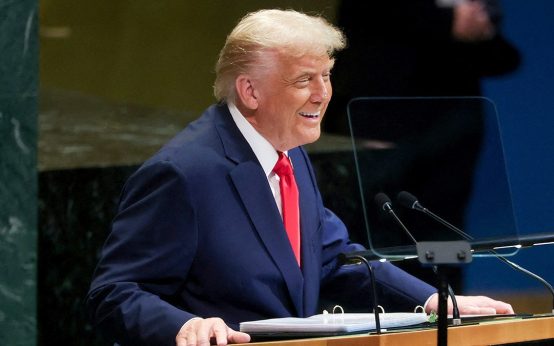 Trump’s Vision on Iran, AI, and Global Security at the UN
 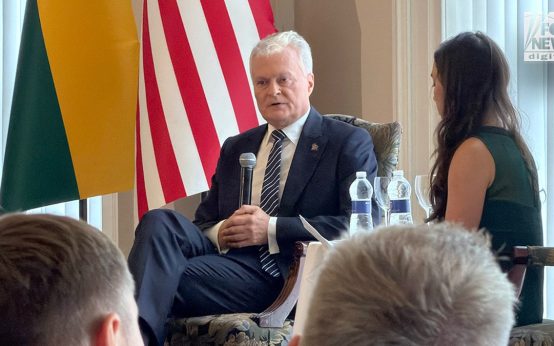 Lithuanian Leader Seeks U.S. Military Commitment Amid Rising Russian Threats
 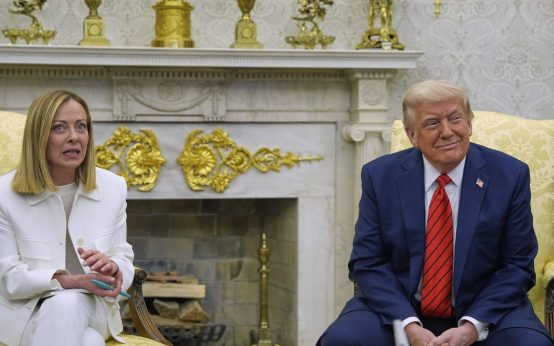 Italian PM Giorgia Meloni Skips UN General Assembly Amid Growing Tensions
 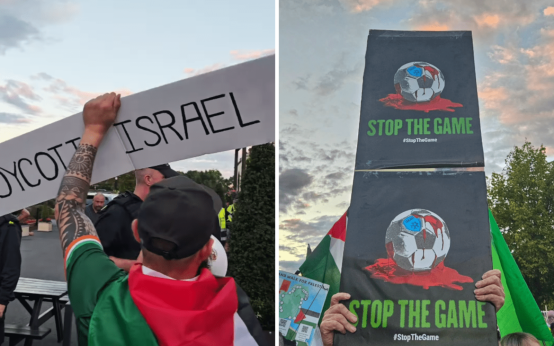 Calls Grow for Ireland’s Soccer Team to Boycott Matches Against Israel
 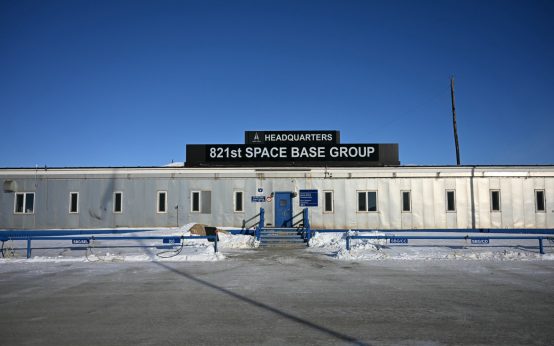 New U.S. Military Bases Planned in Greenland Amid Strategic Security Deal