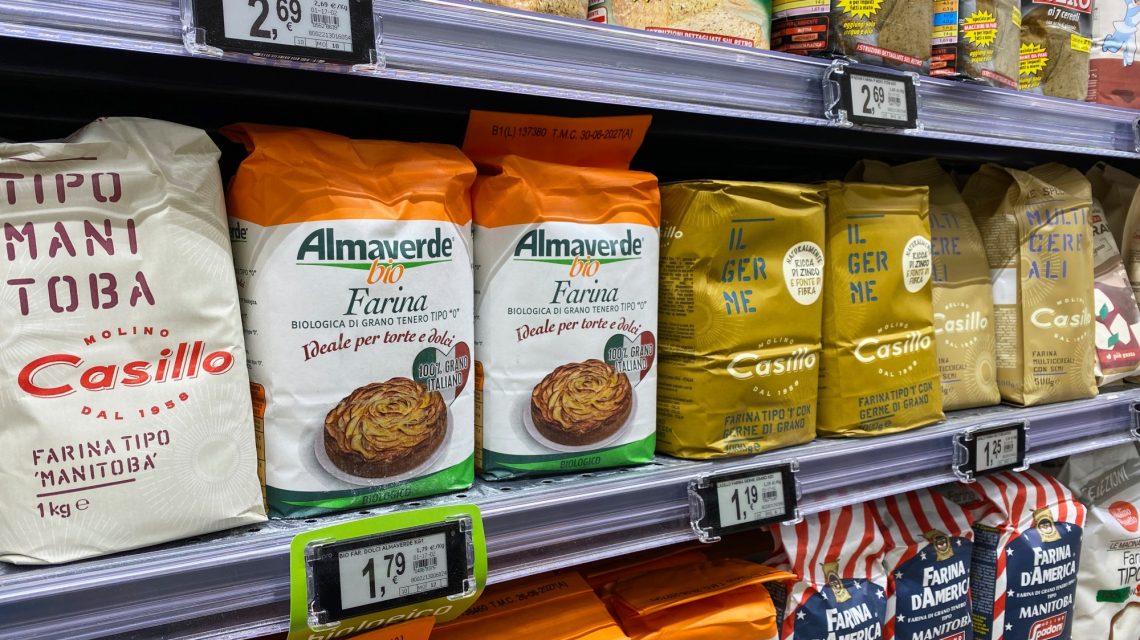
In Bari, Italy, on August 7, 2026, a supermarket shelf displays various flour brands with digital price tags. This shift in technology marks a significant change in how prices are managed in grocery stores.
Electronic shelf labels, also called electronic shelf tags, are becoming widespread in stores globally. They allow for computer or tablet-based price updates. These labels replace traditional printed tags. Europe leads in this adoption, with about 80% of supermarkets using the technology. The U.S., however, sees slower adoption due to concerns about potential price gouging.
The AFL-CIO, a major labor union federation, echoes these worries, suggesting electronic labels could lead to higher grocery costs and job losses. Yet, technological changes have long driven the grocery sector forward. From shopping carts to bar code scanners, technological advances have enhanced the supermarket experience, benefiting consumers and operators.
Despite fears, employment in the grocery sector has not dwindled. In California, the food retail sector is expanding, with a 38% increase in jobs since 1992, compared to a 28% growth in population.
Electronic shelf labels are unlikely to decrease grocery jobs. Labor challenges persist due to high turnover rates and issues with job satisfaction. Retailers show that labor retention and recruitment are significant concerns. By automating shelf label updates, employees free up time to focus on customer service, stock replenishment, and other vital tasks. This reallocation of labor can enhance store productivity.
There’s no strong evidence indicating electronic labels lead to unfair price hikes. These labels can promote efficient pricing. Prices in grocery stores often remain static despite shifts in costs like commodities or energy. Such sticky prices are inefficient, causing profit loss and food waste.
Electronic labels help circumvent these issues. With approximately 40,000 products in a typical supermarket, updating prices manually requires significant labor and printing costs. Digital tags enable easier price adjustments, aligning prices swiftly with market conditions.
Concerns about electronic labels leading to predatory pricing tactics are distinct from the technology itself. Proper regulations should prevent these practices without stifling innovation. European supermarkets have used electronic labels for years with no indication of rising food prices. Legal frameworks can mitigate surveillance pricing risks, ensuring consumers’ privacy is respected.
The U.S. grocery market remains highly competitive with narrow operating margins. Technologies like electronic shelf labels that reduce costs can help stabilize prices and manage inflation. Proper tools and regulations are necessary to enhance store efficiency and ensure fair pricing practices.
Over time, the industry may regard traditional paper tags as outdated, much like how bar code scanners replaced manual inventory checks. This evolution underscores the importance of balancing innovation with consumer protections.
Richard Volpe is a professor of agribusiness at California Polytechnic State University, San Luis Obispo.