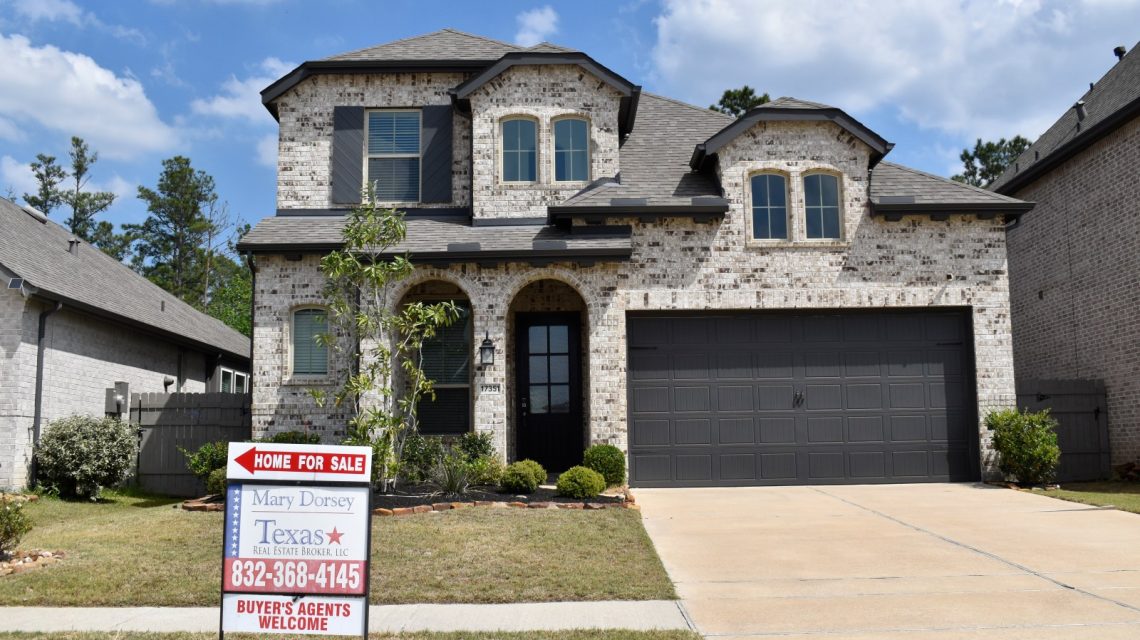
The anticipated transfer of wealth, termed the “silver tsunami,” is expected as baby boomers downsize or pass on homes. This shift could ease the housing shortage, but also presents fresh challenges.
Realtor.com’s latest Generational Housing Succession report estimates that 13.9 million homes currently owned by baby boomers and the Silent Generation will be transferred over the next decade. If 45% of the approximately 1.27 million homes expected to be released next year hit the market, annual listings could revert to pre-pandemic levels. This trend has primarily been observed in the South, offering a solution to the current housing shortage.
The release of these properties has begun gradually. Inherited homes comprised 7% of U.S. property transfers ending in August 2025, totaling 340,000 according to Cotality. During this period, sellers aged 60 or older constituted nearly 60% of sales.
This generational succession is not new; however, according to Jiayi Xu, a senior economist at Realtor.com, the scale is notably larger now. Research indicates a 33.7% increase in the number of homes changing hands compared to the past decade.
This influx will likely bring relief to home buyers, but the full impact will take time and may vary considerably by location.
Geographical Mismatch
Housing turnover may increase inventory in areas where population growth and in-migration are low. This mismatch could concentrate too many available homes in less desirable markets.
According to the National Association of Home Builders, cities like Pittsburgh and Rochester are at risk of an oversupply due to slower population growth. The trend is not confined to the Northeast; it is prevalent in coastal and warmer regions, such as the southern East Coast.
Florida leads with seven of the top ten U.S. metropolitan areas with a high percentage of senior homeowners, with Wildwood-The Villages having 68.2% owned by those over 65. Other notable areas include Homosassa Springs and Punta Gorda. Regions in Arizona, Massachusetts, and New Mexico also have significant populations of older homeowners.
Challenges with Home Types
A minor portion of homes expected to hit the market will be starter homes. About 380,000 homes will have two or fewer bedrooms. More than 70% will be three- or four-bedroom family homes, with another 26.6% consisting of five or more bedrooms.
The supply of starter homes has drastically shrunk. As older buyers compete for these smaller homes, younger, first-time buyers face greater challenges. Approximately 30% of recent buyers of small homes are aged 60 or older.
There is potential relief as larger homes are released, allowing current starter-home owners to upgrade. Inheritance also plays a role, although it is not the primary solution to the current shortage.
Delays in Market Entry
Many baby boomers might hold onto their homes longer due to high mortgage rates. At present, a 30-year fixed-rate mortgage exceeds 7%. This economic environment has contributed to a prolonged housing market slump, with many preferring to wait before selling.
Jiayi Xu of Realtor.com notes that older individuals are more likely to retain smaller, fully paid-off homes, reducing financial pressure. Concurrently, high mortgage rates hinder younger buyers from entering the market, complicating generational housing transfers.
A recent poll by Moody’s suggests 75% of individuals aged 50 and above prefer to remain in their current homes, potentially increasing demand for home upgrades rather than boosting for-sale inventory. Moody’s reports U.S. senior housing occupancy reached 90% in early 2026, the highest level since 2005.
 Mortgage Rate Surpasses 7 Percent Amid Economic Challenges
  Inland Empire Faces Rising Housing Costs
 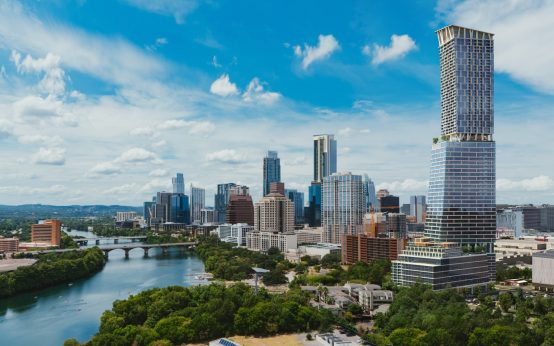 Waterline Tower Transforms Austin Skyline
  Chicago Bears QB Caleb Williams Avoids Major Hamstring Injury
  Challenges in L.A.’s Multifamily Housing Market
  Former Federal Prosecutor Sells Lincoln Park Mansion