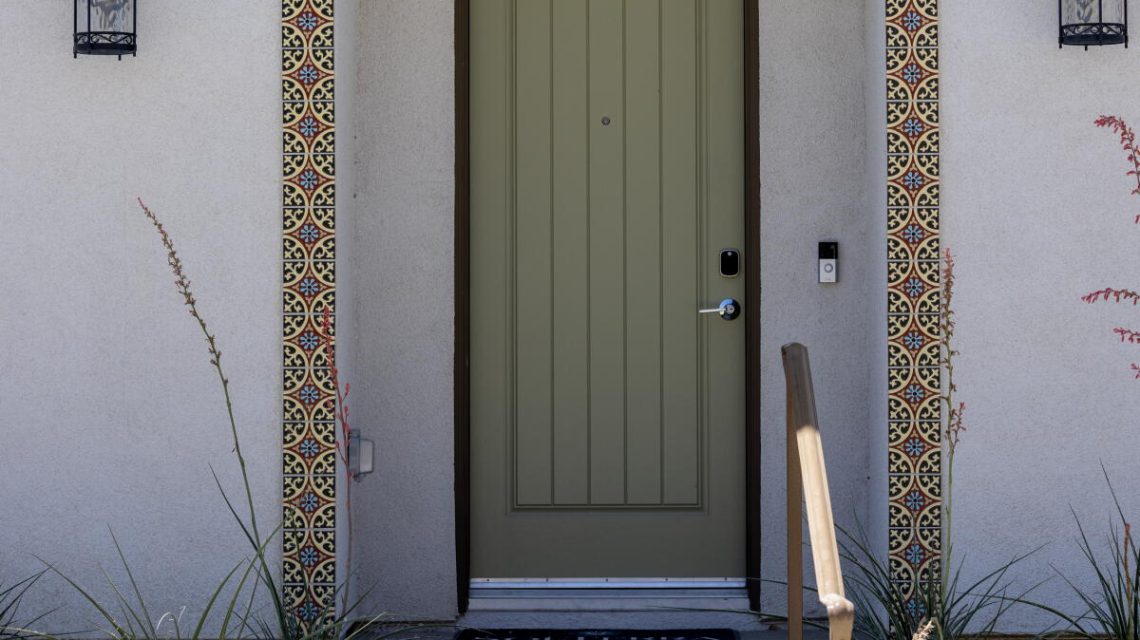
Inland Empire Housing Crisis
The Inland Empire in Southern California, known for its affordable housing, is facing growing housing challenges. Traditionally, Riverside and San Bernardino counties provided new housing options at lower costs, compared to coastal communities. This was appealing for those willing to compromise on commute times and temperatures.
Rising Affordability Concerns
The Public Policy Institute of California highlights a shift in housing affordability concerns. Formerly affordable counties like San Bernardino, Riverside, and Kern are now worried about housing costs, with over 60% of residents in these areas indicating it as a major issue. East San Bernardino County reported a 17% increase in concerns since 2020. West Riverside County saw a 12% rise, and Kern County experienced a 22% increase.
Researcher Eric McGhee attributes these trends to migration patterns. During the pandemic, many left regions like L.A., Orange, and San Diego County for the Inland Empire. This influx increased competition and prices.
“People with higher incomes are moving to lower-income areas, driving up housing costs,” McGhee remarked.
Limited Choices for Residents
Residents of the Inland Empire face restricted options. Already in a lower-cost area, relocating within is not straightforward. Their choices often involve moving out of state, sharing living space, facing homelessness, or accepting higher housing expenses.
Housing price increases in the Inland Empire outpace those in L.A. Since early 2020, median home values in L.A. rose 35%, while San Bernardino saw a 48% rise, and Riverside increased by 50%. In 2022, median rent for a one-bedroom apartment in Riverside-San Bernardino was $1,306. It now stands at $1,959, marking a 50% jump.
Anxiety Among Home Buyers
Joseph Huelskamp, a Riverside real estate agent, notes a shift among homebuyers. Where buying was once cheaper than renting, costs for both have escalated. Anxiety arises as people struggle to decide between buying or renting.
“Coastal buyers are extending to the Inland Empire,” Huelskamp observed.
Huelskamp highlights the challenges faced by elderly residents with limited incomes, especially due to rent increases.
“Retirees often relocate out of state as rent continues to climb,” he added.
Online Frustration and Rent Trends
Online discussions reflect the frustration of Inland Empire residents over housing costs. One Reddit user mentioned paying $2,800 in rent, attributing it to the inflow of coastal migrants. Another user finds rent prices in Redlands excessive, yet lacking benefits of coastal cities.
L.A. regions experienced decreases in housing concern percentages, with a 2% dip in coastal L.A. and a 6% reduction in central L.A.
Inland Empire Tradition and Economic Growth
The Inland Empire’s historic role as a low-cost housing option is under threat. Jobs have grown in logistics but often fail to provide enough income for home purchases. The pandemic led to population increases in San Bernardino and Riverside counties, driven by new housing developments and lower costs.
A UC Riverside study in 2022 found only 31% of households in the Inland Empire could afford a median-priced home.
Census data reveals burdened households spending over 30% of income on housing. In 2024, 41% of households in San Bernardino and Riverside were considered burdened.
A Corona resident disclosed spending about 50% of their paycheck on rent: “It sucks, but I like where I live.”
 Waterline Tower Transforms Austin Skyline
  Chicago Bears QB Caleb Williams Avoids Major Hamstring Injury
  Challenges in L.A.’s Multifamily Housing Market
  Former Federal Prosecutor Sells Lincoln Park Mansion
  Former Chicago Bulls Guard Jevon Carter Sells West Town Home
  Understanding Real Estate Fees