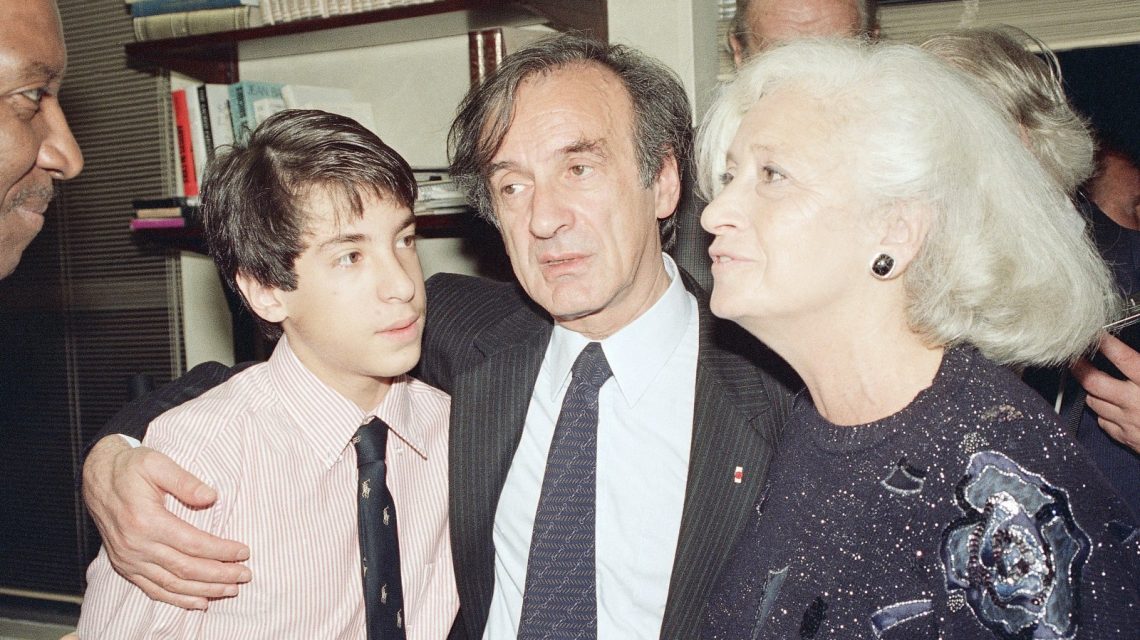
Elisha Wiesel, son of Holocaust survivor and Nobel laureate Elie Wiesel, described October 8 as pivotal in the rise of antisemitism in America. He noted the shift in perception among friends and allies, viewing Jews as enemies post-October 7. Wiesel’s comments were made ahead of the 2026 Elie Wiesel Prize in Ethics Awards in New York City, an event focusing on conscience and moral courage—a testament to his father’s life’s work.
This year’s theme, “Silence, Conscience, and Responsibility,” resonated with Wiesel in light of events following the Hamas attack on southern Israel on October 7, resulting in 1,200 deaths and over 200 hostages. Wiesel observed the subsequent antisemitism surge and failure of institutions and educational efforts supposedly aimed at preventing such eruptions.
Wiesel discussed his father’s long-standing belief in persistent antisemitism, highlighting a noticeable increase since Elie Wiesel’s passing. He criticized the inefficacy of Holocaust education in fostering empathy for living Jews, rather than solely for deceased ones. October 7 demonstrated the persistent threat to Jewish lives, while October 8 exposed a quick shift from sympathy to suspicion toward Israel and Jews.
Wiesel expressed concern over historical accusations against Jews and current claims of genocidal behavior against them following Israel’s military response in Gaza. He noted the high death toll reported by the Gaza Health Ministry.
Our enemies have always spread lies.
Wiesel urged Jewish institutions to adopt stronger stances and engage actively in debates surrounding Israel. He criticized institutions devoted to Holocaust memory for retreating from contemporary discussions. He emphasized the need for Jewish communities to challenge depictions of Jews as uniformly white and colonial, advocating for broader Jewish education encompassing global Jewish communities.
He described political division among Jews in America, where party affiliation often precedes Jewish identity—particularly amidst shifting political landscapes between Republican and Democratic support for Israel.
Wiesel found this division concerning, particularly on college campuses, where pro-Palestinian encampments affected his children’s sense of safety. He praised the Trump administration for addressing Jewish students’ concerns seriously.
Despite the challenges, Wiesel views October 7 as transformative, reaffirming Jewish identity and catalyzing activism. He recounted the emotional impact on his family upon realizing the historical parallels and the desire to safeguard their identity.
Wiesel expressed hope that this challenging period will strengthen both the Jewish community and American society, fostering a new wave of activists. He concluded with an optimistic outlook on future contributions by these new activists, drawing pride similar to previous generations.
 Lawsuit Challenges Changes to U.S. Immigration Policies
  Israel Marks Anniversary of Hamas Attacks Amid Political Tensions and Ongoing Conflict
  Afghan Immigrants in the U.S. Face Uncertainty and Fear
  October 7: A Turning Point in Israel-Hamas Conflict
  U.S. Embassy Monitors Reports of Suspected Pneumonic Plague Death in Russia
  Asghar Farhadi Criticizes Hollywood’s Portrayal of Iran