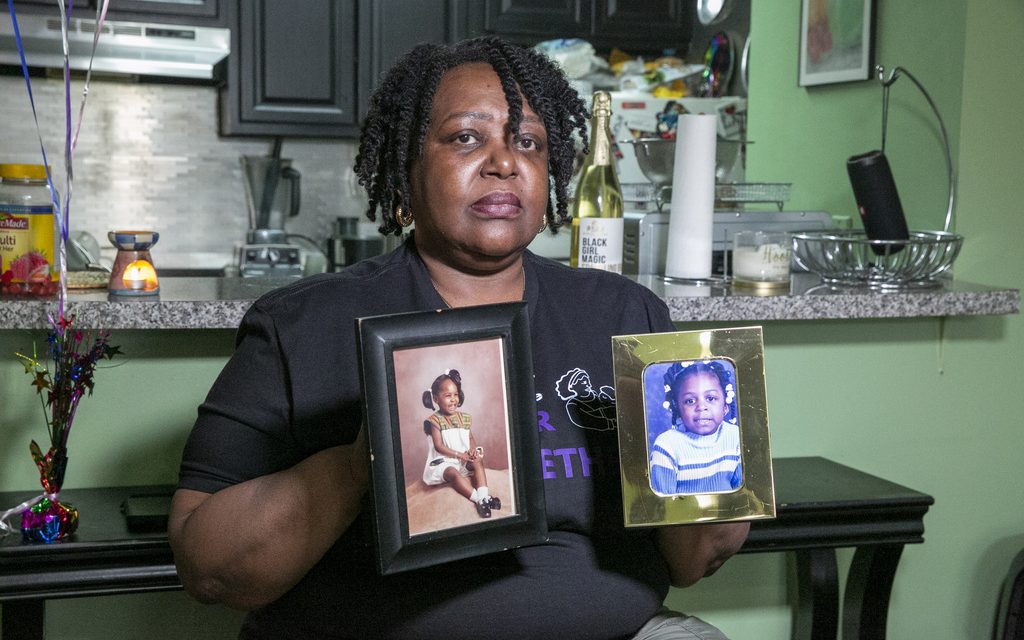
Joyce McMillan lives in Harlem, New York City. Her story sheds light on the impact of child protective services after her daughters were removed from her custody 23 years ago. Authorities found an illicit substance in her body. Her case is just one among millions that highlight issues in the federal child welfare system.
Federal child welfare policies have long been built on outdated ideas. Policymakers have created programs with rigid funding that ignore data challenging the system’s efficacy. Each year, Child Protective Services investigate over 2 million American families. Yet, in 84 percent of these cases, no abuse or neglect is substantiated. Despite this, around 175,000 children enter foster care annually. Research shows foster care can be harmful and disconnected from child maltreatment fatalities.
Nate Bustamente experienced family separation personally. As a child, he entered foster care. Later, as a parent, he and his wife faced a child welfare case threatening their family. Despite compliance, they defended their rights in court. His attorney and a family-time supervisor helped dismiss termination petitions, eventually closing the case. Bustamente recalls the relief when his family could breathe without fear.
A bipartisan group, United Family Advocates, has released a framework to expose how current federal child welfare financing promotes family separation as an easy option rather than a last resort. Policymakers must rethink if existing funding supports child safety, family stability, and taxpayer stewardship. The present system acts as a $10 billion entitlement for family separation.
States should gain more flexibility to invest in community-based supports to address needs like housing, food, and mental health, while still protecting children in danger. Funding must enable families to access resources without entering the child welfare system. High-quality legal representation should ensure fair processes in decisions impacting families.
Federal debates must focus on allocating resources toward crisis response versus preventive infrastructure. For Bustamente, community support might have altered his family’s path. He wonders how many families must endure similar fears and lost time with their children. The system has relied on separation as a primary intervention for too long. It’s time to rebuild a foundation providing support before crisis leads to separation.
Joanna Lack, Executive Director of United Family Advocates, echoes this call for change.
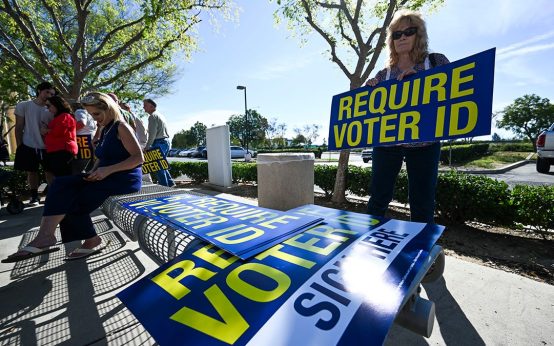 California Voter ID Proposal Sparks Debate
  Nevada Governor Race Heats Up as Election Day Approaches
  Trump Initiates Inquiry into Federal Reserve Governor Lisa Cook
  Michigan Senate Debate Highlights Intense Personal Attacks
  Transforming Congress through Electoral Incentives
  The Nebraska Test: Evaluating Candidate Promises