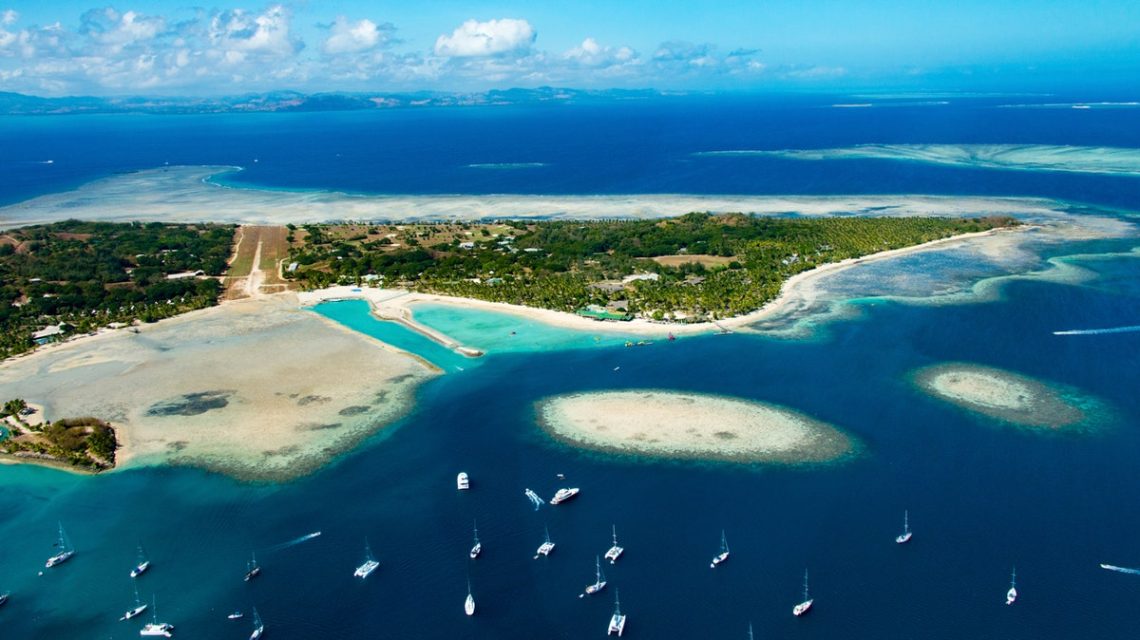
Fiji, renowned for its stunning beaches and status as a popular honeymoon destination, is facing a significant health crisis. The Pacific island nation has emerged as the region’s fastest-growing site for HIV epidemics, primarily driven by increased methamphetamine use, according to reports from UNAIDS and Fiji’s Ministry of Health. The number of HIV/AIDS cases in Fiji is anticipated to exceed 3,000 this year.
The escalation of HIV cases has prompted concern among health officials. They point to unsafe drug injection practices as a major factor contributing to the spike in HIV transmission. A study by the World Health Organization (WHO) revealed alarming trends in December, indicating a rise in these dangerous practices. Individuals who inject drugs in Fiji face an increased risk of contracting HIV through such methods.
“The ‘Bluetooth trend’ — where individuals inject the blood of someone already intoxicated to experience a high without their drugs — is exacerbating the spread of the virus,” officials noted.
The assessment reported 1,583 new cases of HIV in 2024, followed by 1,226 cases in the first half of 2025. Such findings highlight the severity of the epidemic within this picturesque locale. Crystal methamphetamine, identified as the most popular drug, is often injected with syringes that may be contaminated, with 50% of interviewees admitting to such practices.
A spokesperson from Talanoa Law and Justice elaborated on the impact of drugs, stating that they alter brain function, affecting how individuals perceive their surroundings and react emotionally. This can result in misinterpretations and increased aggression, especially when impulse control is compromised.
According to Munkhtuya Altangerel, a representative from the United Nations Development Program, these assessments mark a crucial alarm for urgent action. He emphasized that Fiji’s HIV crisis is not solely a public health concern. It is also a human rights challenge that endangers communities and stalls progress. There is an urgent call to enhance harm reduction strategies, widen access to testing and treatment, and ensure inclusive interventions.
With nearly 1 million visitors traveling to Fiji last year, including many honeymooners, awareness about the current health risks is crucial. The nation’s beautiful white-sand beaches, vibrant coral reefs, and secluded resorts attract tourists worldwide. However, the rising rates of HIV and other sexually transmitted infections now pose added health warnings, as reflected in Australia’s travel advisory for Fiji.
As the epidemic continues to grow, tourists and locals alike are urged to take necessary precautions, especially in activities that might expose them to infection risks.
 Lukashenko and Putin’s Unique Relationship and Belarus’ Strategic Role
  Alan Ritchson Faces Backlash Over Political Remarks
  Himalayan Pilgrimage: A Couple’s Narrow Escape and Lingering Questions
  Former CEO Sentenced for Bank Fraud and Sanctions Evasion
  Russia’s Potential Incursion Into Estonia: NATO’s Resilience Under Scrutiny
  Senators Urge Action to Free Imprisoned Journalist in Iran