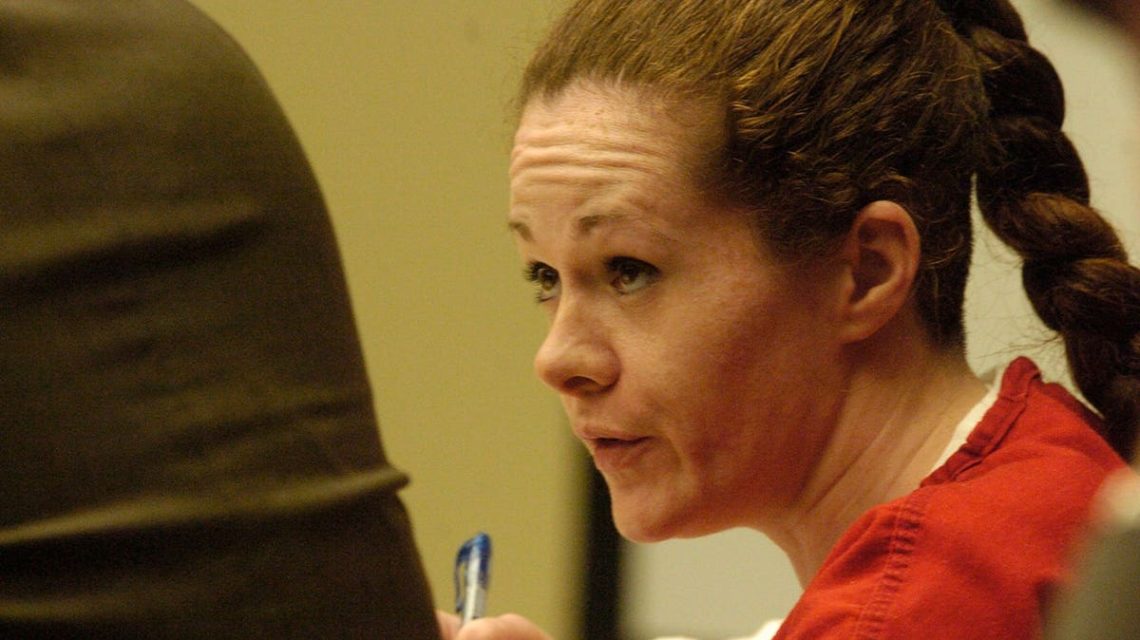
Audio recordings from 911 dispatch reveal that a series of miscommunications led to a delayed emergency response following the failed execution of death row inmate Christa Pike by the Tennessee Department of Correction.
On September 30, the first 911 call occurred at 8:40 p.m., about an hour after Pike’s execution began. The caller described a failed execution but failed to provide a verification code to dispatchers, raising concerns about the call’s authenticity.
Confusion and Miscommunication
A dispatcher mentioned a medical call for service at Riverbend Prison, relaying that, “They carried out the execution, the subject didn’t pass away, and they need an ambulance because she’s not breathing normally.” The operators tried to verify if the situation was genuine or a prank.
“Per supervisors here at the DEC, we have been informed it is a false call,” explained another dispatcher at 9:03 p.m., dismissing medical assistance for Riverbend Prison.
Confusion persisted between a dispatcher and Riverbend Prison staff. When contacted to verify the emergency, a prison employee questioned the source of the call and denied someone from their facility had called.
Attorney Intervention
Audio recordings show Pike’s attorney, Kelly Gleason, also called 911, stating, “My client, Christa Gail Pike, is undergoing a state execution… she is still alive and breathing and needs immediate life-saving care,” at about 9:08 p.m.
Riverbend Central Control told responders within that timeframe they “would have been the ones to call” but did not.
Shortly after, a first responder reported being approached by a person at the prison’s gate claiming to be a state official demanding entry for emergency intervention.
Emergency Access and Outcome
Central Control permitted entry for emergency responders at 9:11 p.m. Pike was in an ambulance heading to a hospital by 9:34 p.m.
Pike, convicted of first-degree murder in 1996 for the 1995 killing of Colleen Slemmer, had spent over 30 years on death row. The execution attempt involved two doses of pentobarbital, failing to result in death per Tennessee’s protocol.
After surviving, Pike remained unconscious on a ventilator until waking on October 6. She was returned to the Debra K. Johnson Rehabilitation Center on October 10 for ongoing care.
The execution failure prompted Tennessee Governor Bill Lee to pause state executions for further review.
 Nonprofit Leadership and Financial Scrutiny at 1736 Family Crisis Center
  Chicago Faces Border Crisis with Growing Migrant Arrivals
  Actor RJ Mitte Dies at 34
  RJ Mitte, ‘Breaking Bad’ Actor and Advocate, Passes Away
  Fatal Incident on Goliath Roller Coaster at Six Flags Over Georgia
 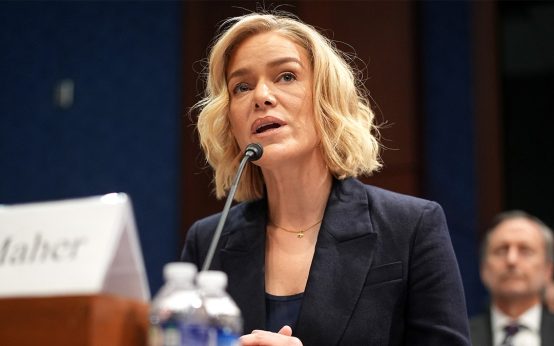 Katherine Maher to Receive First Amendment Award Amid Criticism