The Chicago Bulls are experiencing early challenges with their roster depth even before the NBA regular season starts. Injuries to Nic Claxton, Zach Collins, and Tobe Awaka have impacted the team’s backcourt during the initial preseason games. Starting the season with limited player health is not ideal. However, this situation provides the Bulls an opportunity to test their depth, which is crucial for their success and talent development throughout the season.
With one week remaining in the preseason, coach Tiago Splitter is keeping a flexible approach to his roster selections. Splitter plans to utilize the last two preseason games to experiment with potential regular season lineups. Yet, these configurations against teams like Milwaukee and Minnesota might not be consistent throughout the season. Splitter emphasized the importance of adapting lineup decisions based on player availability, describing it as a situation that requires nightly adjustments. He stressed the ongoing exploration of the best lineup as the season progresses.
This season, the Bulls aim to provide extensive playing time to Caleb Wilson and Matas Buzelis to develop key skills such as on-ball facilitation, 1-on-1 defense, off-ball movement, and spot-up shooting, aiding their long-term growth. Additionally, significant time is allocated to Josh Giddey as he contends for his position as the team’s long-term point guard. Beyond these key players, the Bulls have a varied lineup requiring strategic management by Splitter.
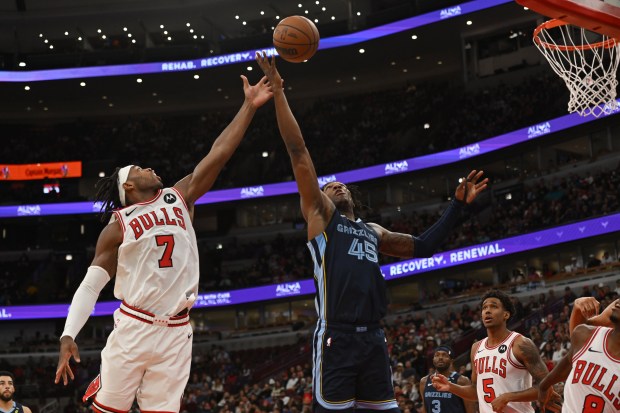
The backcourt exemplifies this variation. Claxton holds the starter position, with Collins backing him up. However, options like Awaka, Jalen Smith, Noa Essengue, Leonard Miller, and Patrick Williams form a complex array of smaller backups. A preseason game against the Memphis Grizzlies illustrated this depth, as GG Jackson II clashed with Bulls’ Buddy Hield for a rebound.
Bulls management must balance the development of first- and second-year players while ensuring veterans such as Isaac Okoro, Buddy Hield, and Tre Jones also receive adequate playtime. Young players like Dailyn Swain are expected to gain experience in the G League and with the main team, presenting additional rotation challenges. Miller’s impressive preseason performances pressure the bench hierarchy, showcasing his ability to transition seamlessly between different roles. Splitter appreciates Miller’s versatility from playing the 4 to the 5, especially in lineups favoring rapid switches.
There is potential for small-ball rotations featuring Miller alongside forwards like Buzelis and Wilson, adding complexity to perimeter challenges for opposing defenses. Caleb Wilson pointed out the strategic advantage of such a lineup, highlighting the team’s length and versatility.
The Bulls need flexibility this season, unable to resolve to a narrow nine-player rotation. Splitter intends to evaluate various talents to develop their skills while planning future team configurations. Players like Powell or Hield might be traded during the February deadline, opening further rotation opportunities. Flexibility is essential during the rebuilding phase.
Currently, the Bulls lack a clear star, aspiring for either Wilson or Buzelis (or both) to evolve into that role in the coming years. Meanwhile, Splitter must harness the team’s growth through adaptable roster strategies. The coach expressed the significance of exploring different lineup combinations and schemes to identify the optimal arrangements.
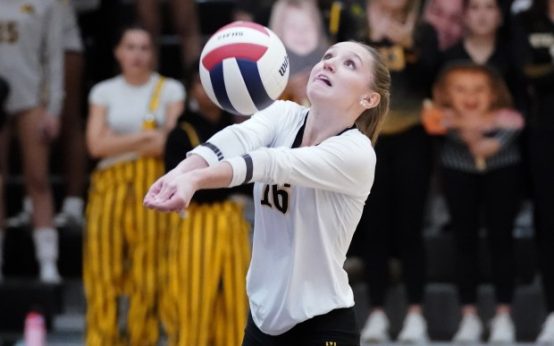 Sienna Bialek Combines Passion for Volleyball and Nursing
 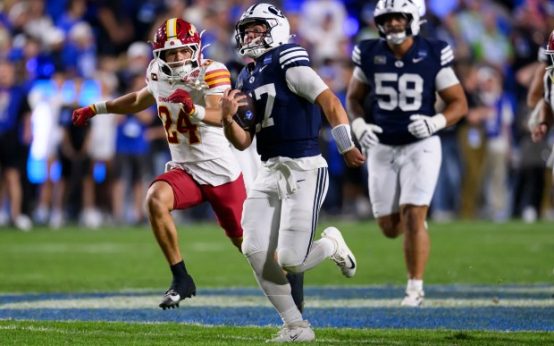 BYU’s Bear Bachmeier Shines in Quarterback Legacy
  Top Sports Bars to Enjoy College Football, Baseball, and European Soccer
 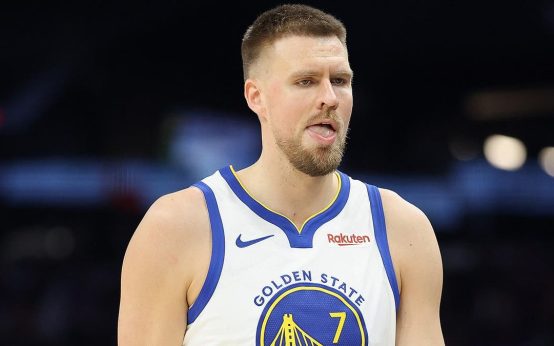 Kristaps Porzingis Addresses Health Rumors Amid Absence
 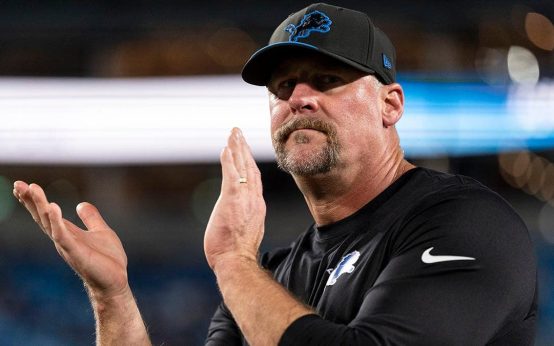 Holly Campbell and the Popularity of Lions Coach Dan Campbell
  Josh Allen Searches for Wife After Bills’ Victory