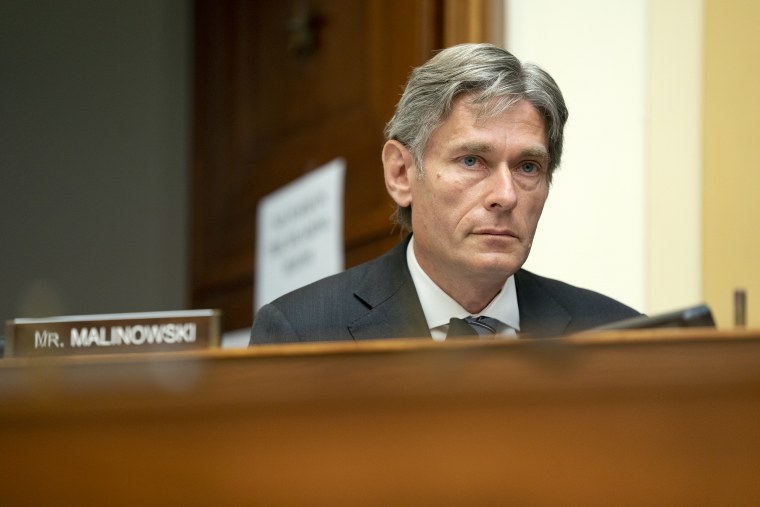
The political landscape in New Jersey’s 11th Congressional District is alive with activity as a diverse pool of candidates vies for a vacant House seat. The seat, having a historical lean towards Democratic preferences, presents a significant opportunity for the Democratic Party to fortify its position in the region.
A total of 11 candidates are competing for the position, each bringing unique experiences ranging from former political figures like an ex-lieutenant governor and a past congressman, to grassroots activists and local politicians. This electoral battle has seen an influx of nearly $6 million from various interest groups and political action committees (PACs), reflecting the high stakes involved.
The district’s Democratic primary has drawn endorsements and interest from various national and local leaders. As a district previously won by Vice President Kamala Harris by a significant margin, the winner of this primary could not only secure their seat for a considerable tenure but potentially influence the direction of the Democratic caucus in the House of Representatives. There’s also the possibility of the primary winner following in Governor Mikie Sherrill’s footsteps by pursuing higher office.
Mara Novak and Judy Kelly, co-executive directors of the grassroots organization NJ 11th For Change, express the district voters’ enthusiasm to select a candidate who truly represents their community values.
At the forefront of the race in terms of fundraising are Thomas Malinowski, progressive activist Analilia Mejia, Essex County commissioner Brendan Gill, Passaic County commissioner John Bartlett, and former Army paratrooper Zach Beecher. Vying for voter support, these candidates have engaged in a robust campaign, with polls set to close on Thursday evening.
Malinowski, who previously served as a representative, has been the center of various campaign advertisements from different groups. Notably, the United Democracy Project, a super PAC aligned with the American Israel Public Affairs Committee (AIPAC), has allocated around $2.3 million opposing Malinowski due to his stance on U.S. aid conditions to Israel.
Malinowski has countered this opposition with significant campaign finance support, including over $700,000 from The 218 Project super PAC and personal fundraising efforts exceeding $1.6 million. In parallel, the Democratic Lieutenant Governors Association’s PAC has invested over $1.6 million in favor of former New Jersey Lt. Gov. Tahesha Way, branding her as an adept candidate against former President Trump’s political maneuvers.
Other contenders have also seen substantial support through advertisements, such as a recent $300,000 campaign backing Beecher from the veterans-focused PAC, VoteVets.
The endorsement scene is bustling, with significant political figures weighing in. Former Governor Phil Murphy backs Gill, citing his dedication to safeguarding individual liberties and reducing living costs. Senators Bernie Sanders and Elizabeth Warren, along with Rep. Alexandria Ocasio-Cortez, have endorsed Mejia for her progressive policies.
The endorsement power dynamic remains a fascinating aspect, as both national and local support figures could swing the election outcome. District committee endorsements in Essex, Morris, and Passaic counties have divided among different candidates, often backing locally familiar figures.
With the primary approaching, it remains to be seen which candidate can mobilize their voter support base most effectively. As local figures have pointed out, the tight timeframe and candidate familiarity could play crucial roles in determining the eventual winner in this keenly contested race.
 Calls Grow for Ireland’s Soccer Team to Boycott Matches Against Israel
  Congressman Randy Fine’s Bold Political Stance and Views on AI Regulation
  Political Messaging and Strategy Leading Up to Midterms
  President Trump Proposes ‘Super Intelligence’ as New AI Term
  Trump Administration Considers Diesel Export Ban Amid Rising Prices
 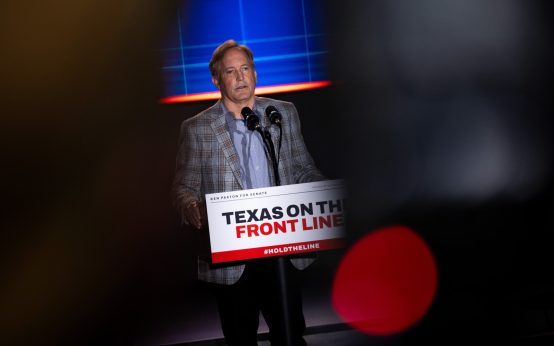 Texas Senate Race Tightens with Shifting Youth Support