Michigan Democratic Senate nominee Abdul El-Sayed recently made strong comments regarding the U.S.-Israel relationship. He told ABC News that he doesn’t see Israel as an ally of the United States. This stance might impact his support from Jewish voters. El-Sayed described an ally as one that does not push the U.S. into unnecessary conflicts.
The discussion followed El-Sayed’s previous comments to MS NOW about the Israeli government’s use of American funds. Throughout the campaign, El-Sayed has faced scrutiny for his views on Israel.
In the primary, El-Sayed won against U.S. Representative Haley Stevens despite significant spending by pro-Israel groups to oppose him. His descriptions of the conflict in Gaza and associations with figures like Hasan Piker have fueled criticisms.
“An ally that takes your money to push you into wars you shouldn’t be fighting is not an ally,” El-Sayed stated.
The race is tight, and El-Sayed’s comments are under scrutiny. Joe Walsh criticized El-Sayed’s stance, saying those who don’t see Israel as an ally don’t belong in the Senate. Writer Amy Siskind suggested El-Sayed’s strategy might not depend heavily on Jewish voters.
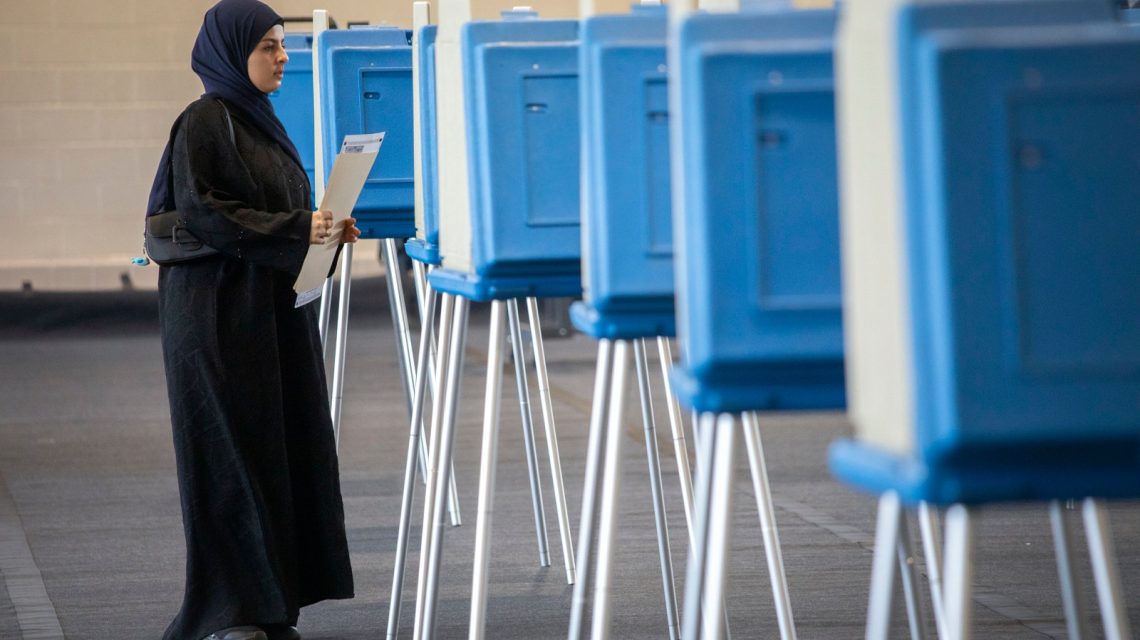
Michigan’s demographics reveal that registered Muslim voters outnumber Jewish voters. Emgage reports over 200,000 registered Muslim voters. By comparison, the state has around 105,000 Jewish adults.
Turnout rates might influence the election outcome. Jewish voters typically show high participation, while Muslim turnout has lagged behind historically.
El-Sayed previously received strong support from Muslim voters. In the 2024 election, varying support from different demographics contributed to shifts in voting patterns.
Polls suggest that many Democrats now sympathize more with Palestinians than Israelis. The Gallup survey in February showed 65 percent of Democrats favor Palestinians.
Indeed, the Democratic National Committee saw this shift affecting election outcomes, particularly in Harris’s loss linked to the Biden administration’s Gaza policies.
The state’s Jewish community remains divided. Letters from Jewish voters show mixed endorsements, with some backing El-Sayed and others supporting Rogers.
Religion doesn’t solely define voting patterns. Black voters represent a larger share of Michigan’s electorate than Jewish voters, posing a different challenge for El-Sayed.
The race remains competitive, with polls showing El-Sayed narrowly leading Rogers. The RealClearPolitics average gives El-Sayed a slight advantage.
If successful, El-Sayed would be the first Muslim to serve in the U.S. Senate.
 The Legal Challenges Facing AI Regulation
 Intense Spending in Midterms: Trump vs. Bloomberg
 Trump’s Campaign Efforts and the Texas Senate Race Dynamics
 Trump’s Influence and Challenges in North Carolina Senate Race
 Trump Supports Senate Candidate Michael Whatley in North Carolina
 U.S. Efforts to Release American Detained in Russia and Shifts in Southern Senate Races