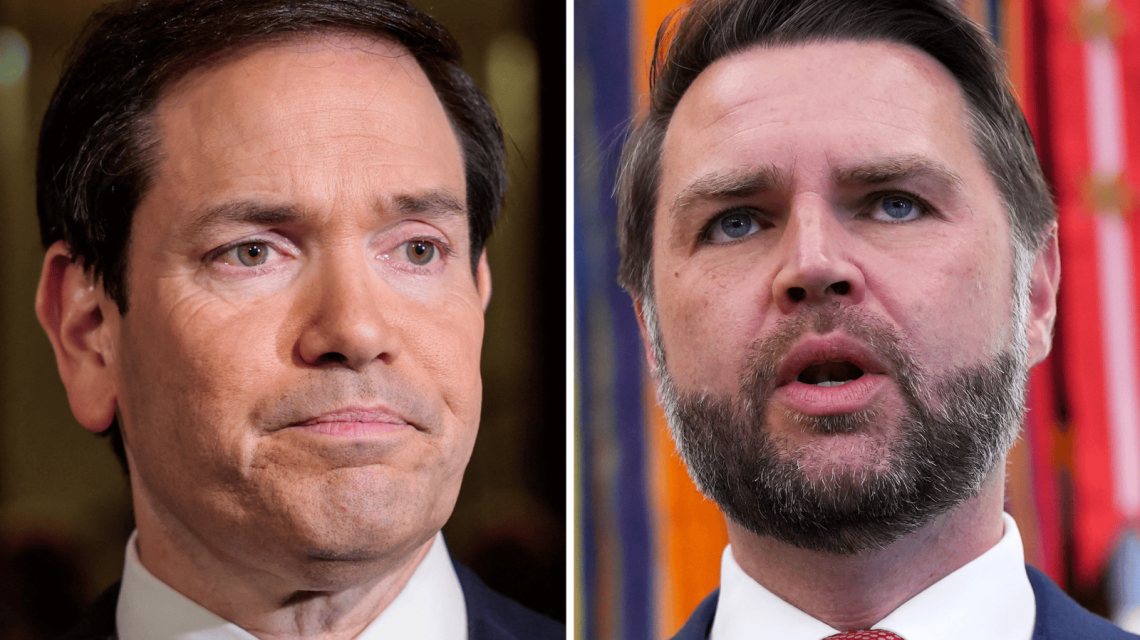
Vice President JD Vance and Secretary of State Marco Rubio are losing traction in the race for the 2028 Republican presidential nomination. Data from prediction markets Polymarket and Kalshi highlights this trend.
Polymarket has recorded nearly $714 million in trading volume. Vance’s chances have decreased from around 53% on September 3 to 43.8%. Rubio saw a drop from 27.8% on August 3 to 15.1%. Kalshi’s figures show Vance’s odds fell from 45.8% to 43%, while Rubio’s decreased from 29.5% to 18%. This change follows Vance’s recent acknowledgment that he might not pursue the presidency, citing family considerations.
This shift in prediction markets raises questions about Republican confidence in a succession plan post-President Donald Trump. However, Koleman Strumpf, an economics professor at Wake Forest University, advises against over-interpreting these changes. Strumpf notes that Vance’s dip of roughly 4 points is partly influenced by his recent comments. Strumpf adds that some of the shift benefits candidates with lower odds.
Both Vance and Rubio face declining support, and potential alternatives like Florida Governor Ron DeSantis and Tucker Carlson remain low. Strumpf suggests this lack of a clear beneficiary indicates traders don’t see Vance’s comments as highly impactful.
Midterm Implications on the 2028 Race
Costas Panagopoulos, a professor of political science at Northeastern University, believes the 2026 midterm elections could significantly impact the 2028 nomination race. Republican losses could blame the administration, influencing perceptions of anyone closely linked to Trump.
If the midterms result in significant Republican setbacks, the connection to Trump might become a liability for figures like Vance and Rubio. Thad Kousser, a professor at the University of California, San Diego, emphasizes control of the Senate as a critical measure of Republican performance. Poor election results could compel the party to reassess its identity post-Trump.
Panagopoulos suggests Republicans will undergo a considerable evaluation after the 2026 midterms to determine the party’s direction. Both Vance and Rubio may face increased scrutiny if the party’s electoral appeal dims. Political scientist Daniel Schatz points out that declining odds for both favorites reflect a broader lack of confidence in a straightforward succession plan.
Market Movements and Voter Sentiments
The decline in both Vance and Rubio’s odds contradicts typical two-person race dynamics, where doubts about one usually boost the other’s chances. Schatz mentions that this reflects gains for various contenders rather than a decisive shift to a new favorite.
Political strategist Mike Fahey explains that the market’s reaction shows uncertainty about the succession plan. He notes that both candidates are tied to Trump’s administration, meaning deteriorating confidence in the administration could affect them simultaneously.
Midterm Outcomes to Watch
The results of the midterms will greatly influence the Republican Party’s strategy moving forward. Panagopoulos points out that unexpected Democratic wins in strong Republican areas could indicate significant dissatisfaction within the GOP. Narrow victories in traditionally secure Republican regions might reveal underlying weaknesses in the party’s approach.
If Trump and his agenda face widespread rejection by 2026, the Republican coalition’s nature could transform significantly.
While prediction markets offer constantly updated forecasts, they don’t precisely capture voter preferences. Keith Gaddie from Texas Christian University warns against equating market data with public opinion, as traders often hedge bets, unrelated to voter sentiment.
Strumpf argues that prediction markets provide valuable forecasts due to continuous trading activity. However, market prices do not guarantee an accurate reflection of candidate performance or entry decisions. The market indicates uncertainty around Vance and Rubio, but a Republican shift requires broader changes among voters, donors, and endorsements.
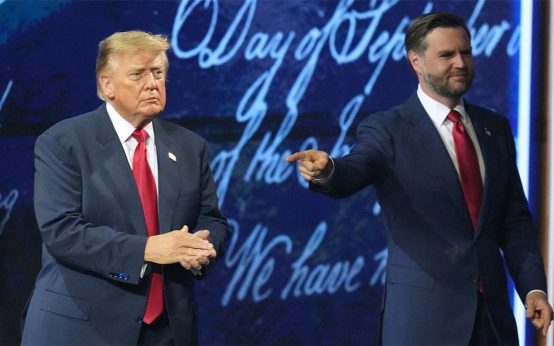 JD Vance Discusses Potential 2028 Presidential Run and Trump’s Endorsement
 International Endorsements and Criticisms in U.S. Politics
 Controversy in Ohio Governor Race: Attack Video Targets Amy Acton
 Endorsements, Political Contributions, and International Affairs in U.S. Politics
 Pelosi’s Endorsement Disrupts San Francisco Political Race
 Government Allocates Funds for Surveillance Amid Controversy