A Georgia woman known for her opposition to AI-driven infrastructure expansion has shared an emotional goodbye to her family home. Ansley Brown from Coweta County took to social media platform X to announce, “Today is the day we say goodbye to my childhood home. Soon to be demolished by Georgia Power for the data centers.” She included a video farewell to the property, highlighting a long-term battle over land acquisition for a power transmission project tied to the rising electricity demand in Georgia.
The Battle Against Data Centers
Ansley Brown has become a prominent figure opposing Georgia Power’s project, using social media to chronicle her family’s struggle against data center expansions and to alert the public to their effects on rural areas.
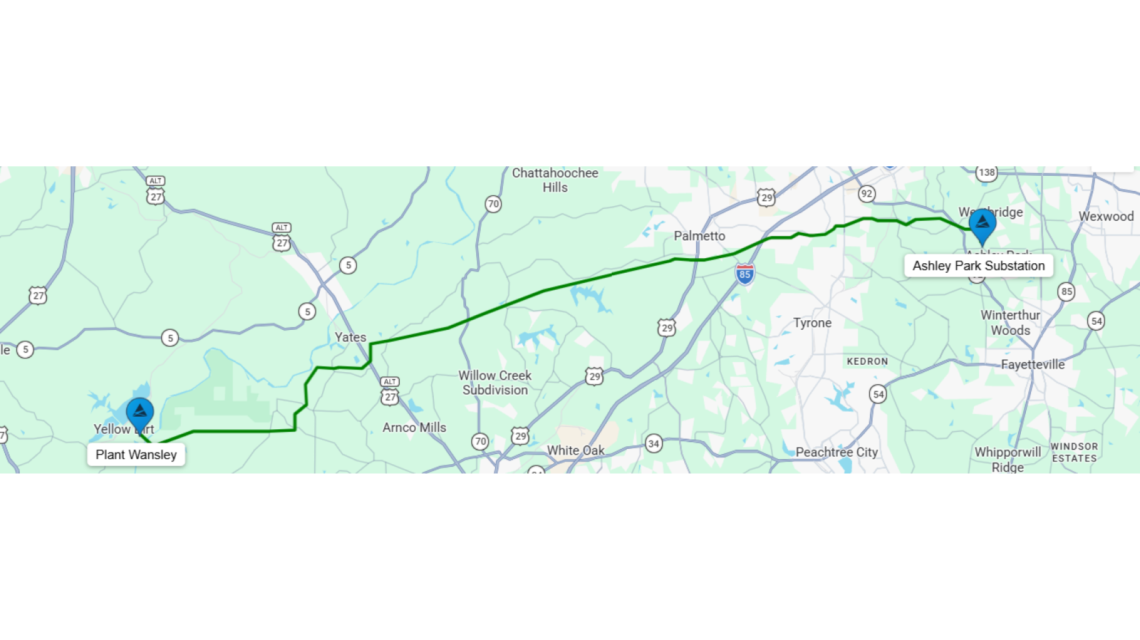
Georgia Power’s Ashley Park-Wansley project involves a 35-mile, 500-kilovolt transmission line linking the Ashley Park Substation in Fayette County to Plant Wansley in Heard County. The utility argues the project is necessary to enhance the electric grid, increase reliability, and prepare for rising energy demands across Georgia.
Brown contends the initiative would destroy her family property intended for generational inheritance. In an interview on Marjorie Taylor Greene’s “Life With MTG” show, Brown expressed deep sentiments: “They’re going to completely demolish it to the ground and all of the buildings that belong to my mom. We’ll never be able to come back here.” For Brown, the home symbolized “generational wealth,” central to the American dream, now threatened by the project. Her campaign brought national spotlight to her critiques on eminent domain’s role in infrastructure supporting data centers.
The Role of Eminent Domain
Eminent domain allows governments and certain utilities to acquire private land for public use with appropriate compensation. This concept springs from the Fifth Amendment to the U.S. Constitution, stating private property cannot be taken for public use without “just compensation.” In Georgia, electric utilities may exercise eminent domain for specific transmission-line endeavors, following public notice and negotiation with landowners. This means utilities like Georgia Power can mandate property sales for necessary power-line projects, subject to legal requirements and compensatory payment.
Brown and her supporters dispute the notion that infrastructure primarily benefitting private-sector data centers qualifies as public-use projects.
Georgia Power Defends Actions
Georgia Power has stood by the project and its acquisition strategies. On their project page, they describe the transmission line as “critical infrastructure” essential for grid reliability, evolving energy needs, and electric service resilience. They underscore that eminent domain serves as a last option, noting, “it’s something we never want to do.” According to data, 70 to 80 percent of the line’s demand will support data center growth, with the remainder aiding residential and commercial sectors.
For Brown, the issue transcends compensation. After prolonged organizing, public forums, and social media activism, her farewell marked the campaign’s culmination, spotlighting the conflict between AI advances, infrastructure growth, and private property rights. Her childhood property may soon be lost, yet her campaign has left a resonant impact.
 Trump Administration’s Efforts to Restrict H-1B Visa Use
  President Trump to Announce Undisclosed News
  GoFundMe Halts Fundraiser Over Authenticity Concerns
  Pro-Data Center Party Sparks Controversy Amid Nationwide Construction Debate
  AI and Human Control: A Turning Point
  Protecting Your Personal and Financial Data with LifeLock Plans