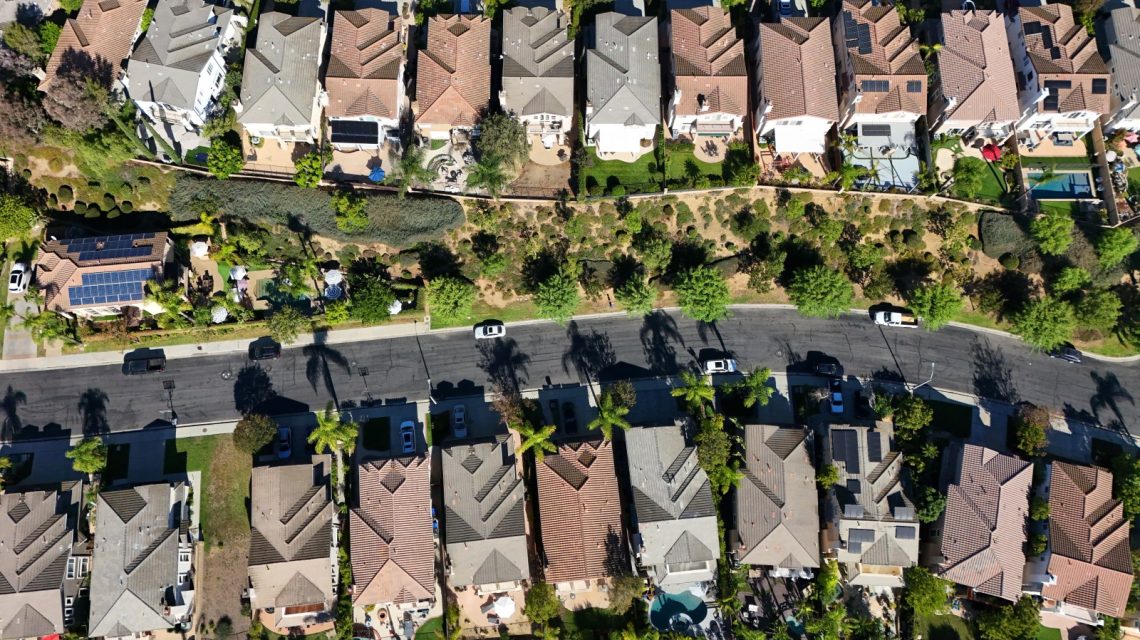
Rising property taxes are imposing a significant financial burden on both new homeowners and those who have settled their mortgages. This is especially true in many U.S. cities where property taxes have exceeded home value growth.
A recent analysis by ConsumerAffairs highlighted that in 46 out of the 100 largest metropolitan areas in the country, property taxes surpass home value increases from 2022 to 2024. As a result, homeowners in these regions find themselves in a challenging financial position.
The Impact of the Pandemic
Historically low mortgage rates during the pandemic resulted in a surge in homebuying, causing the average U.S. home value to rise by nearly $100,000 between 2020 and 2022. This figure reflects a nearly 17% annual growth in asset value, as noted by Brookings. While this growth was initially positive for homeowners, increased property taxes soon followed.
Between 2022 and 2024, median property taxes increased by 10.6% according to ConsumerAffairs, while average home values nationwide rose by 12.4%. This trend compounds other rising housing costs such as insurance premiums, HOA fees, and borrowing rates, making affordability a key issue for many, particularly first-time buyers and seniors with fixed incomes.
Regional Differences in Property Taxes
Property tax burdens vary greatly depending on location. ConsumerAffairs scrutinized U.S. Census Bureau data, which showed that the ten metros with the largest tax-to-home-value gaps are located in the South or West.
Top Metro Areas Where Taxes Outpace Home Values
In Florida’s Lakeland-Winter Haven metro, property taxes increased by 28.1%, contrasting with a national average increase of 10.6%. Here, home values climbed by 14.2%, which is also above the national average.
Notably, the median property taxes for homeowners without a mortgage rose by 22.4% between 2022 and 2024, and by 31.5% for those with a mortgage. Looking at a larger timeframe from 2019 to 2024, property taxes increased by 78.6%, whereas home values rose by 74.1%.
Jacksonville, also in Florida, experienced the second-largest gap with property taxes rising by 21.7% between 2022 and 2024, while home values increased by 8.1%. Denver-Aurora-Centennial in Colorado ranked third, witnessing a rise in property taxes of 19.1% as compared to a 5.7% growth in home values.
In Colorado Springs, property taxes rose 17.3% between 2022 and 2024, while home values grew merely 4.7%. A significant factor in tax increases here is the biennial reappraisal in El Paso County, which coincided with a peak in home values.
Lastly, Birmingham, Alabama, saw property taxes rise by 17.6%, with home values increasing by 6.6%. Despite these hikes, Birmingham residents paid $1,334 in property taxes in 2024, the lowest among the top five metro areas.
Potential Relief for Florida Homeowners
In Florida, voters will soon have the chance to influence property taxes through Amendment 3. This proposal aims to expand non-school property tax exemptions and reduce assessment caps for non-homestead properties. However, it requires 60% voter approval to pass.
While recent polls indicate potential support for the amendment, experts warn that it could impact local government funding, affecting crucial services like law enforcement.
For further details, contact Newsweek editor Edward Pearcey.
 Decline of Debates in Senate Races
 Recent Developments in Key Senate Races Across Three States
 Iowa’s Congressional Races and GOP Hopes
 Iowa Voters Concerned About Rising Cancer Rates
 Contested Illinois Senate Race in 42nd District: Ploger vs. Perez
 Record Early Voting in Texas Signals Democratic Momentum