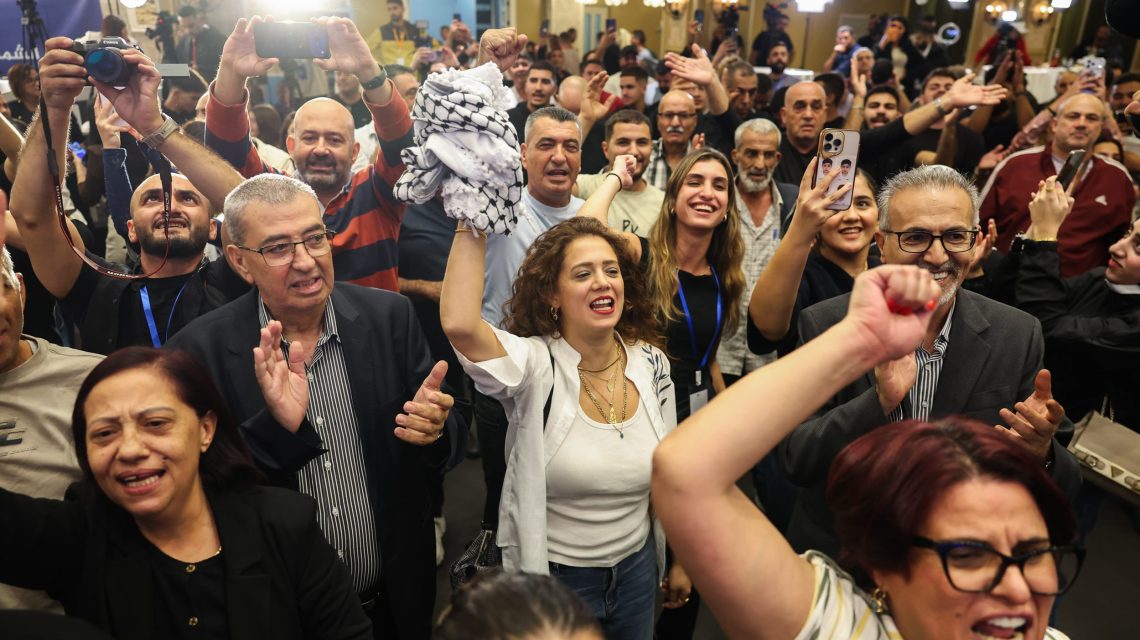
The Joint List, an alliance of several Arab parties in Israel, saw celebrations at their headquarters as exit polls were released. This marked a historic night for Palestinian citizens’ turnout. Faten Gattas, a candidate, addressed supporters in Nazareth, emphasizing their refusal of occupation and racism and their determination to remain in Israel.
High Arab voter turnout provided hope for candidates aiming to influence the political landscape, especially in preventing Netanyahu’s far-right coalition from reclaiming power. However, Eisenkot, Netanyahu’s main rival, has excluded the possibility of forming a government with Arab parties. This decision limits his potential path to a majority despite leading by a slim margin, with exit polls showing Eisenkot’s bloc ahead with 52 seats against Netanyahu’s 50.
Israeli broadcaster Channel 12 outlined the key seat allocations, highlighting the importance of unaligned Arab parties that hold 18 seats in the current scenario.
The Oct. 7 Aftermath and Electoral Impact
The aftermath of the Oct. 7 attacks has heavily influenced Israeli politics. It has impacted Netanyahu’s reputation as a security leader, as reflected in the election’s central themes. Issues like the high cost of living, systemic corruption, and public services inefficiencies also played significant roles in swaying voter sentiment.
Record Voter Turnout
The election witnessed a remarkable turnout of 77.7%, the highest since 1999, with 5.7 million voters participating. This marked a 7.1% increase from the previous election. The results, expected in eight days, will involve extensive negotiation to form a coalition government. At least 61 Knesset members must support a government for it to be officially recognized.
Netanyahu’s Campaign Tactics
Netanyahu leveraged his relationship with the U.S. and former President Trump during his campaign. His supporters favor continued military action against Iran and expanding territorial claims. The election became a focal point for those concerned about Israel’s image post-October 7, especially as many opposition supporters fear international isolation.
Exit Poll Insights
Initial exit polls indicate a potential defeat for Netanyahu, as Eisenkot’s bloc appears to lead. However, due to the nature of Israeli politics, final outcomes and coalition arrangements may shift before official results are declared.
Arab Voter Influence
Arab citizens of Israel, comprising a fifth of the population, participated meaningfully in the elections. Their votes are crucial in determining political outcomes. Notably, Netanyahu attempted to mobilize his base by pointing to increased Arab voter participation, hinting at potential electoral manipulation.
In summary, the election highlights Israel’s complex political landscape, with high voter turnout reflecting a desire for change, especially among Arab-Israeli citizens. Nonetheless, the challenges in forming a government underscore ongoing political divisions.
 Amy Klobuchar’s Challenge as Minnesota Governor
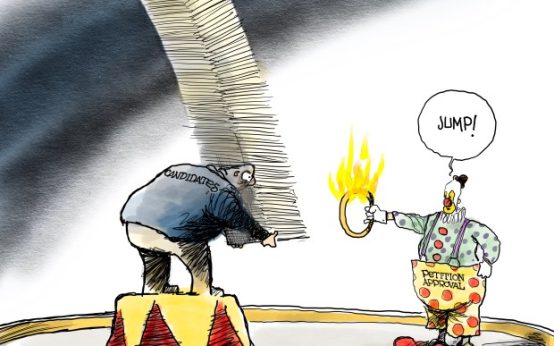 The Purpose and Challenges of Signature Collection for Political Candidates in Illinois
 Gray Wolves Stir Controversy Over Wildlife Management
 Trump’s Push for Bipartisanship with Democrats
 Highlights from Recent News Stories
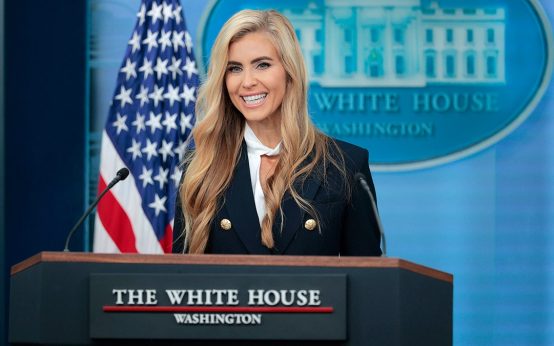 Former Press Secretary Criticizes GOP’s Election Strategies