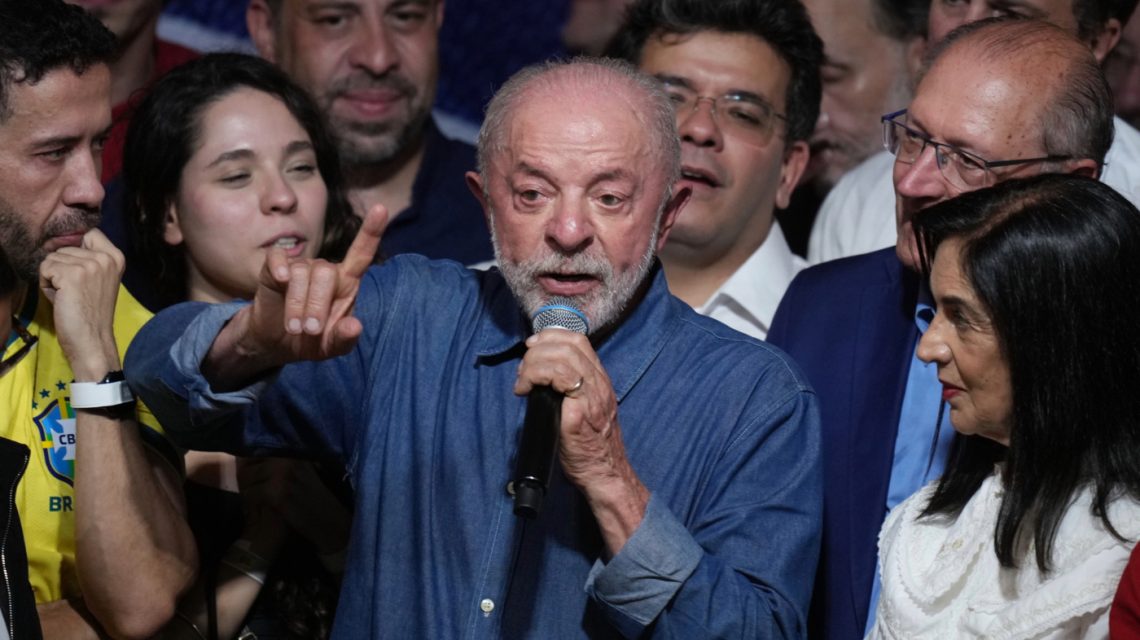
On October 25, 2026, Luiz Inácio Lula da Silva secured his position as the president of Brazil for the fourth time. Overcoming a defeat in the first round, Lula achieved a comeback, winning with 51.8% of the vote against Flávio Bolsonaro, who had 48.2%. This translates to a victory margin exceeding 4 million votes. In his victory speech, Lula declared that Brazil will not be subjugated as ‘anyone’s backyard.’
The following day, President Trump remarked that the election ‘looked like another rigged election.’ Despite their differences, Lula and Trump have had three meetings in the past year. These interactions are driven more by economic necessity than ideological alignment. In 2025, trade between the U.S. and Brazil reached $135.7 billion, an increase of 6.5% from 2024, with the U.S. being Brazil’s second-largest trade partner.
Trump commented, ‘I’m not running Brazil, I’m running the USA. I like Lula, I get along with him pretty well. I just think it had a very bad look, the election, the way it was tabulated.’ Despite their differences, both recognize the mutual trade benefits.
Lula, having roots as a labor leader, contrasts sharply with Trump, who comes from the private sector. Lula, aligned with historic leftist figures like Fidel Castro and Daniel Ortega, is well-versed in populist strategies. He expanded a significant social program with a budget of at least $57 billion, addressing debt relief, family subsidies, and other economic aids.
However, Lula’s electoral success had immediate economic repercussions. Brazil’s currency saw an 11% dip against the dollar, reaching historic lows not seen in decades, while stock markets reported a 14% decline.
Brazil remains the largest country in Latin America and upholds its status as a significant democracy. It retains membership in the G20 and BRICS, holding strategic ties with both Western and authoritarian entities. For the United States, Lula’s victory underscores the complexities of the Monroe Doctrine amid multiple Latin American electoral wins.
Lula’s relationship with China extends beyond traditional trade as it includes military cooperation. Earlier in the year, Brazil hosted China’s military hospital ship, Silk Road Ark, and engaged in joint naval exercises. Additionally, Lula has welcomed key Chinese companies like BYD and Huawei into Brazil’s market.
On security, Brazil has maintained a critical distance from the ‘Shield of the Americas’ alliance and has not classified criminal groups like Primeiro Comando da Capital as terrorist organizations.
Brazil’s political future, guided by Lula, brings challenges for the United States. While Lula aligns with political figures from China, Russia, and Iran, he also leads a significant trading partner for the U.S. Navigating relations with Brazil involves balancing containment of Chinese influence while engaging with Brazil as an economically vital, albeit politically complex, partner.
 The Untold Consequences of America’s Geopolitical Decline
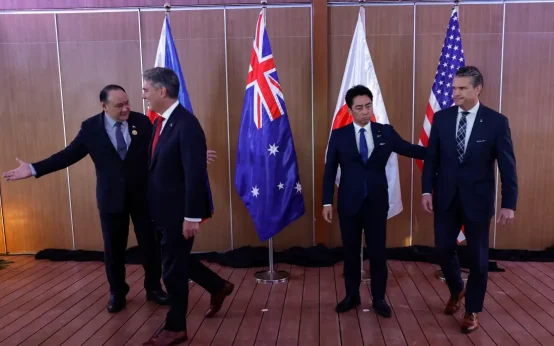 Defense Leaders Discuss Security Concerns in Asia
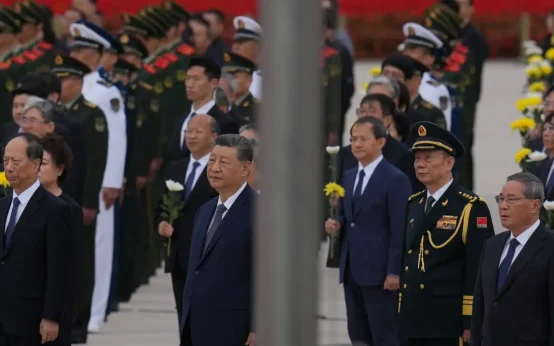 China’s Leadership Elevates Key Military Figure, Adopts Anti-Corruption Measures
 U.S. Blocks Shipments from Chinese Biotech Firm BGI Group over Forced Labor Concerns
 Israel’s Political Landscape: Challenges Ahead
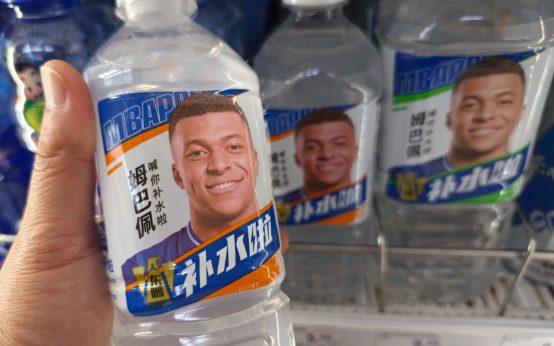 China’s Response to Mbappé’s Remarks: A Lesson in Cultural Sensitivity