
Amid ongoing debates in Washington regarding foreign policy, the potential decline of American geopolitical influence warrants attention. Many dismiss this possibility, either convinced it won’t occur or believing that its impact will be negligible. However, history shows that major powers experience fluctuations.
The question not often raised is what this decline means for Americans. Acknowledging the rise and fall of hegemonic powers is crucial. Yet, within the U.S., both political leaders and commentators tend to overlook the practical consequences.
With America’s influence potentially waning, citizens must consider the possible ramifications. This includes understanding how global dynamics could shift and affect economic stability, security, and international relationships.
Despite the reluctance to address these issues, awareness and preparation are essential. Recognizing the patterns of history and the current geopolitical climate can help guide policy decisions that support national interests and well-being.
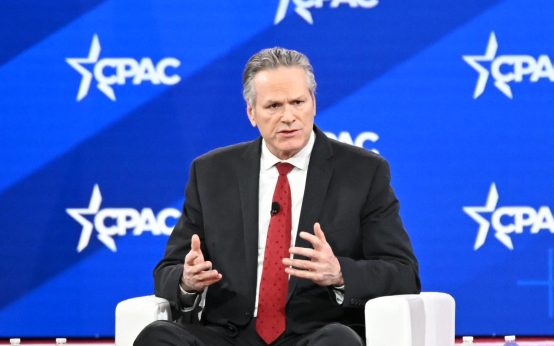 Alaska Governor Mike Dunleavy Orders Investigation into Allegations Against Peltola’s Campaign
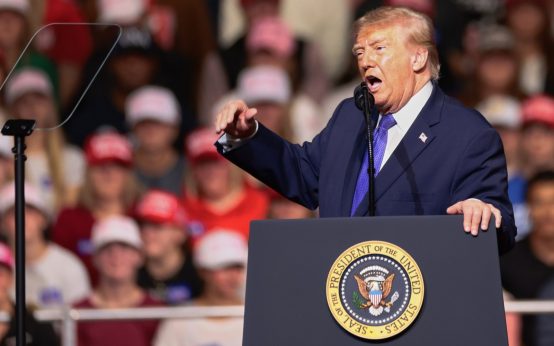 Trump Cancels Kansas Rally Amid Tight Senate Race
 Congressional Maneuver May Block DSA Members from Being Sworn In
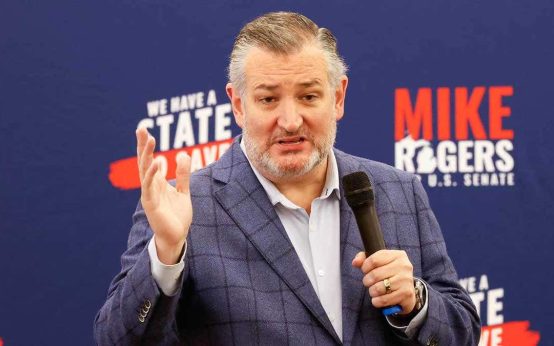 Sen. Ted Cruz Warns of Potential Far-Left Shift if Abdul El-Sayed Wins Senate Race
 Gov. Hochul Plans Solution for Wage Freeze due to Job Losses
 The Oncoming Election and Halloween Festivities