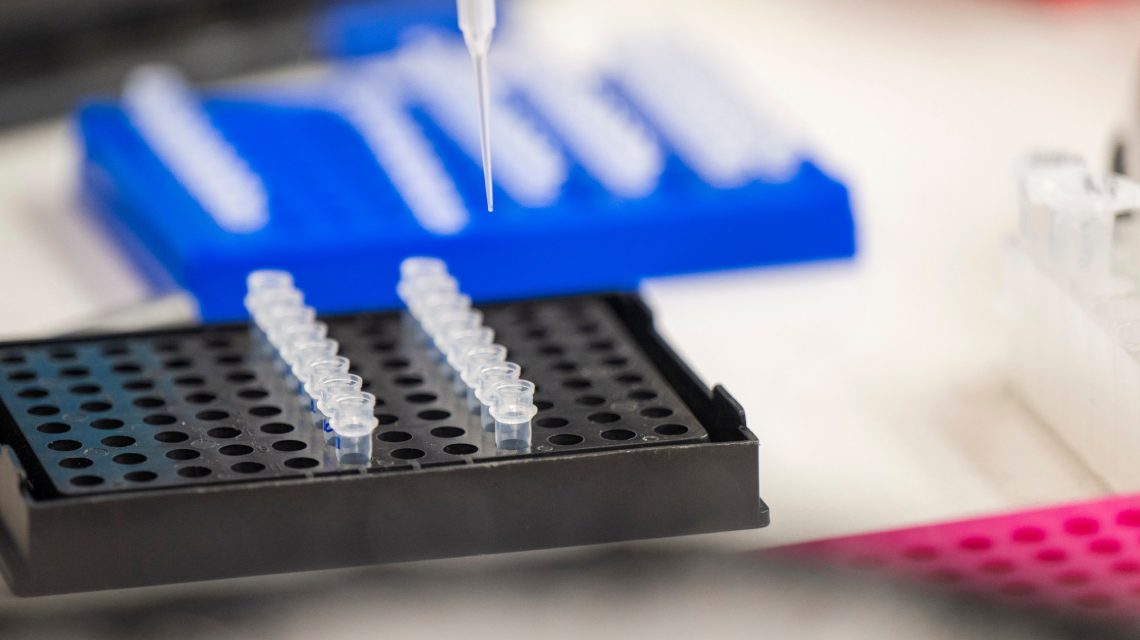
The Trump administration announced it would block shipments from Chinese biotech company BGI Group and its affiliates, citing forced labor ties in Xinjiang, China. This action, effective Thursday, will be enforced by U.S. Customs and Border Protection. BGI Group, known for genetic sequencing, along with BGI Genomics and MGI Tech, is accused of sourcing materials from Xinjiang and engaging in forced labor of persecuted ethnic groups, including Uyghurs.
The move to add these companies to a trade blacklist comes amidst rising economic and tech tensions between the U.S. and China. The Treasury Department recently proposed new restrictions on U.S. investments in fields like biotechnology and artificial intelligence to prevent them from reaching countries such as China.
China’s Ministry of Commerce condemned the allegations and described the ban as political manipulation. They asserted the action undermines China-U.S. economic relations and pledged to take necessary measures to protect their interests.
These developments occur shortly before a planned meeting between Chinese leader Xi Jinping and U.S. President Donald Trump in Shenzhen. BGI Group, located in this city, denies all forced labor allegations and emphasizes its private ownership, stating it does not access American genetic data.
The issue has caught the attention of U.S. lawmakers concerned about BGI’s connections to the Chinese government and potential threats to national security. Although Congress has not specifically banned BGI from working with U.S. federally funded medical providers, a provision asking for a list of concerning biotechnology companies was passed.
The Pentagon identifies BGI Group and its affiliates as Chinese military companies, affecting their reputation. The Department of Homeland Security refers to credible reports indicating these companies have facilitated genetic testing in Xinjiang, contributing to the repression of ethnic minorities.
The new restrictions align with the Uyghur Forced Labor Prevention Act, signed into law by then-President Joe Biden in 2021. This law targets alleged human rights abuses against Uyghurs and other Muslim minorities in Xinjiang, which the Chinese government denies, describing them as counter-terrorism measures.
In August, the Trump administration expanded the blacklist to include 43 more Chinese companies, totaling 187 entities. Homeland Security Secretary Markwayne Mullin emphasized protecting American workers from unfair competition by foreign companies using forced labor.
 The Untold Consequences of America’s Geopolitical Decline
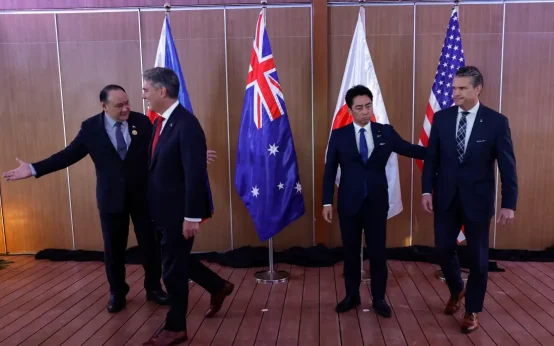 Defense Leaders Discuss Security Concerns in Asia
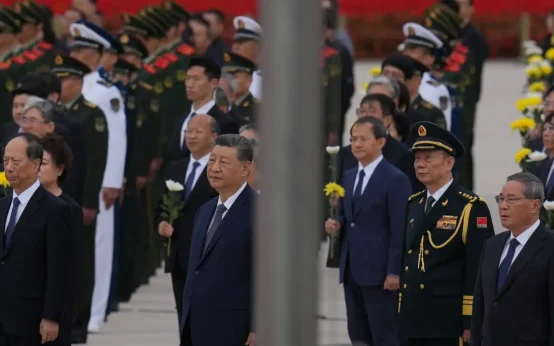 China’s Leadership Elevates Key Military Figure, Adopts Anti-Corruption Measures
 Israel’s Political Landscape: Challenges Ahead
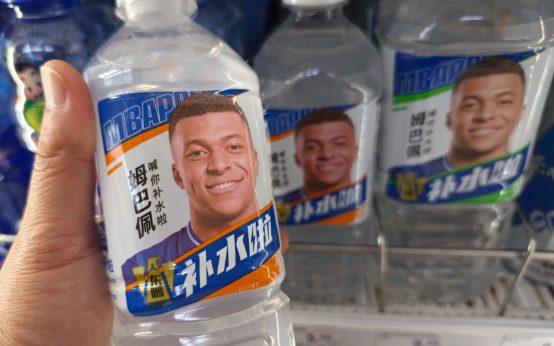 China’s Response to Mbappé’s Remarks: A Lesson in Cultural Sensitivity
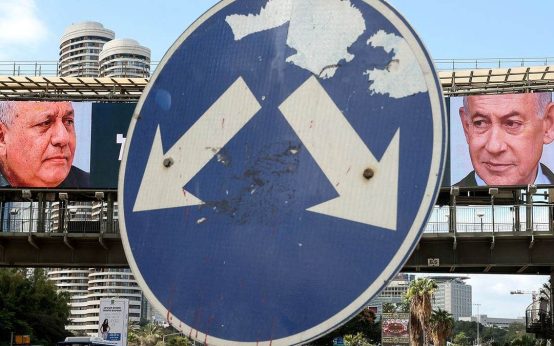 Israeli Election Results Show Rise in Arab Voter Influence