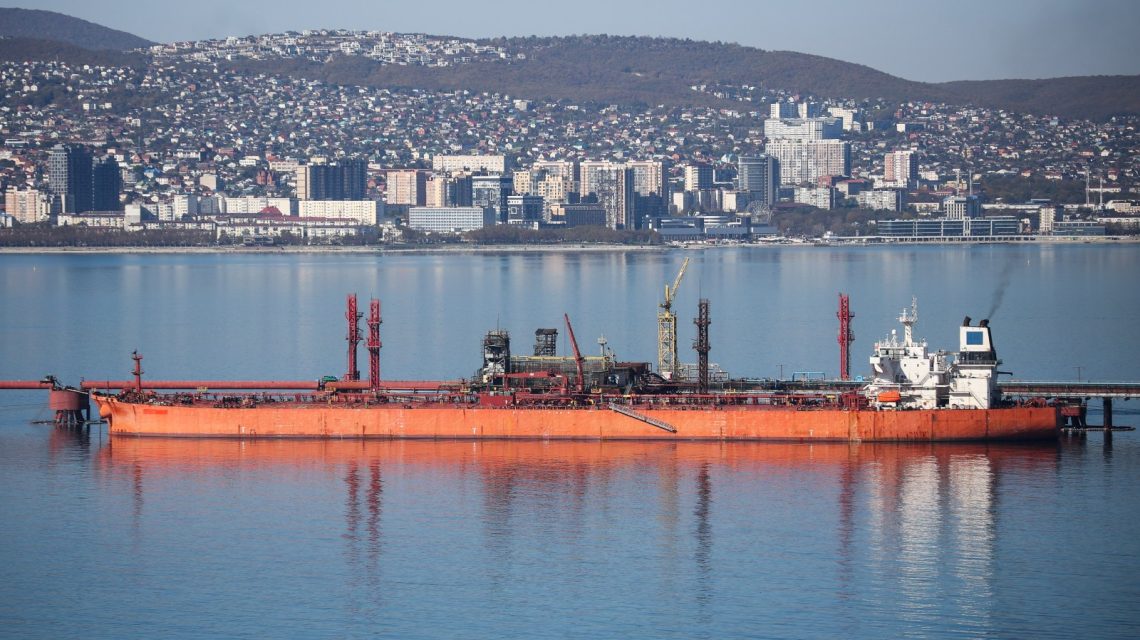
Three tankers carrying Russian diesel fuel are on their way to the U.S., stirring controversy due to sanctions and political implications. These tankers—Agioi Fanendes, Leruo, and Talisman—departed from Russia’s Baltic port of Primorsk in mid to late October. They are expected on the U.S. East Coast between November 7 and 11, according to AFP, citing vessel-tracking data reviewed from Kpler.
One of the tankers, Agioi Fanendes, aims for New York, while the destinations of the other two are more broadly classified as the Atlantic Coast. Combined, these tankers carry 924,000 barrels of diesel, equating to about a third of the U.S. transportation sector’s daily usage. The shipments come following an agreement by President Donald Trump with President Vladimir Putin to bring Russian diesel back into the market. The decision is aimed at lowering fuel prices before the U.S. midterm elections on November 3.
Details on the Tankers
MarineTraffic data indicates the tankers are currently near the United Kingdom and northern Europe. The Agioi Fanendes, under a Maltese flag, transported around 40,000 metric tons of ultra-low-sulfur diesel. Initially slated for New York, the ship’s destination became uncertain after a detour to Skagen, Denmark. The tanker’s manager, Eastmed, has not provided comment.
The Leruo, flagged in Sierra Leone, was sanctioned by several Western countries last year due to practices like disabling tracking technology. This tanker is intended for the Atlantic Coast, with a possible arrival by November 11, though its position has not been updated recently.
The Talisman, subject to both U.S. and EU sanctions, is also heading to the U.S. Its expected arrival is November 9, currently also in North Sea waters. The involvement of these ships raises questions about legal frameworks and the extent of U.S. authorization for such shipments.
The Trump-Putin Diesel Deal
Trump announced the agreement on October 9 after discussions with Putin, involving Russia supplying diesel to the U.S. and global markets. The effort aims to help American consumers, particularly in the agricultural and transportation sectors, by reducing fuel prices.
The plan involves Russia supplying significant quantities of diesel from October onward. The U.S. Treasury issued a temporary exemption for certain shipments, applicable until April 2027. Russia, facing its domestic issues with diesel exports, sent these shipments as part of a broader plan, although details on future deliveries remain unclear.
International and Domestic Reactions
The deal has heightened tensions between the U.S. and Ukraine. Ukrainian President Volodymyr Zelensky condemned the easing of sanctions, suggesting it could prolong Russia’s aggression in Ukraine. Trump countered by blaming Ukrainian strikes on Russian refineries for worsening fuel shortages.
Concerns arose in Washington too. Republican critiques focused on legal compliance and potential Kremlin benefits. Some senators urged Trump to reverse the agreement, while Trump defended his position by highlighting potential consequences of not easing fuel imports.
The impact of these shipments on U.S. diesel prices remains in question. Analysts debate whether rerouting Russian exports could notably influence global supply dynamics.
 Stephen Miller Named New White House Chief of Staff, Causing Democratic Outrage
 Latino Voter Shift and Democratic Gains in Midterms
 Democratic Doctors and Scientists Enter Congress with New Agendas
 Mary E. Miller Wins Reelection in Illinois’ 15th Congressional District
 Trump Designates the Oval Office as a National Monument
 Lauren Underwood Wins Reelection in Illinois’ 14th Congressional District