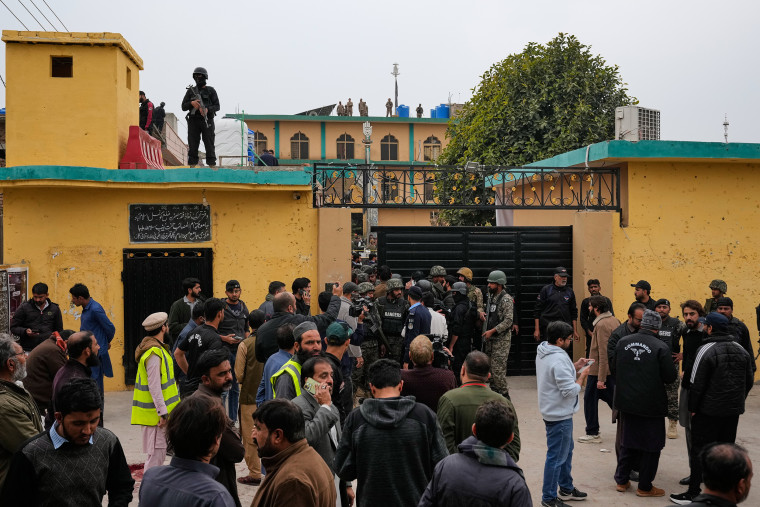
A devastating bomb attack targeted a Shiite mosque located on the outskirts of Pakistan’s capital, Islamabad, during Friday prayers, resulting in the death of 31 individuals and injuring at least 169 others, as reported by officials. Investigations are currently underway to determine whether a suicide bomber was responsible for the attack.
The death toll from the explosion at Khadija Al-Kubra mosque might rise, with reports indicating that some of the injured individuals are in critical condition. Visuals from television and social media depicted police and local residents assisting in transporting the injured to nearby medical facilities.
Witnesses recounted the chaotic and distressing scenes within the mosque. Hussain Shah, who was present in the mosque courtyard during the blast, described hearing a loud explosion that caught him off guard. He quickly realized the magnitude of the attack and rushed into the mosque to find an atmosphere of utter chaos, with numerous injured individuals crying for assistance. Shah estimated seeing about 30 deceased individuals inside, while the number of injured appeared to be much higher.
A police investigation is yet to identify who carried out the bombing, but suspicions fall on militant groups like the Pakistani Taliban and the Islamic State, both known for targeting Shiite communities in Pakistan.
The incident underscored a rise in militant attacks in Pakistan, which, in recent months, have been largely attributed to Baloch separatist factions and the Pakistani Taliban, also known as Tehrik-e-Taliban Pakistan (TTP). This group operates independently but maintains ties with Afghanistan’s Taliban. Additionally, a regional Islamic State affiliate has posed an active threat in the country.
Following the blast, Islamabad Deputy Commissioner Irfan Memon reported a significant increase in casualty figures as initial counts were revised upwards.
Pakistan’s President Asif Ali Zardari and Prime Minister Shehbaz Sharif condemned the tragedy through separate statements, offering condolences to the victims’ families and promising comprehensive medical support for the injured survivors. Zardari remarked that targeting civilians constitutes a crime against humanity, rallying national solidarity with affected families. Sharif stressed a thorough investigation must be conducted to ensure those responsible for the attack are identified and prosecuted.
Interior Minister Mohsin Naqvi echoed these sentiments, urging authorities to prioritize providing exceptional healthcare to those injured.
On the same day as the mosque attack, Uzbekistan’s President Shavkat Mirziyoyev was attending an event with Sharif in Islamabad — several miles from the explosion site.
Shiite leader Raja Nasir expressed profound sorrow over the bombing, calling it a significant failure in ensuring public safety while emphasizing the importance of swift humanitarian response. He urged citizens to donate blood, as local hospitals face urgent demand due to the influx of injured patients.
This attack is among the deadliest in Islamabad since a 2008 suicide bombing targeted the city’s Marriott Hotel, leading to 63 fatalities and over 250 injuries. The area has also faced recent violence, such as a suicide bombing outside a court last November, which claimed 12 lives.
Just over a week before the mosque attack, the banned Baloch Liberation Army launched multiple assaults in the insurgency-impacted Balochistan province, resulting in approximately 50 deaths. In response, security forces reported eliminating over 200 “terrorists.”
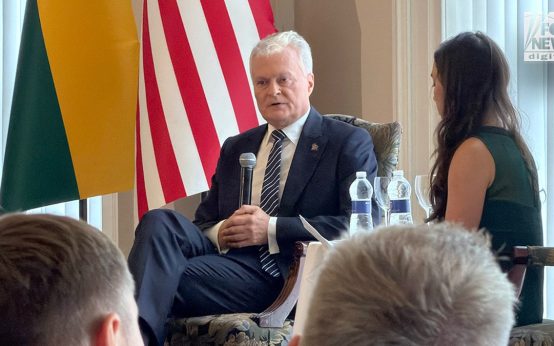 Lithuanian Leader Seeks U.S. Military Commitment Amid Rising Russian Threats
 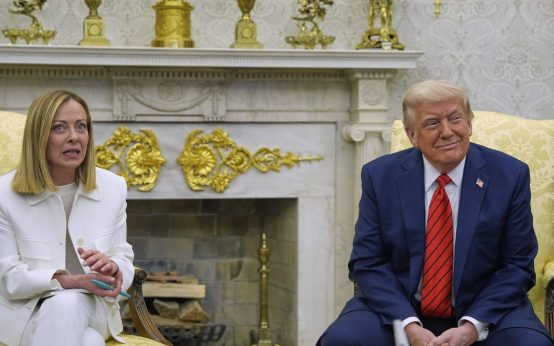 Italian PM Giorgia Meloni Skips UN General Assembly Amid Growing Tensions
 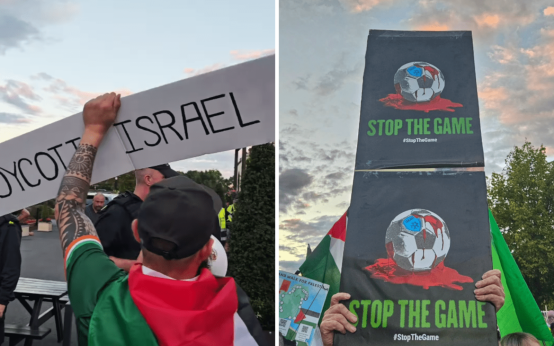 Calls Grow for Ireland’s Soccer Team to Boycott Matches Against Israel
 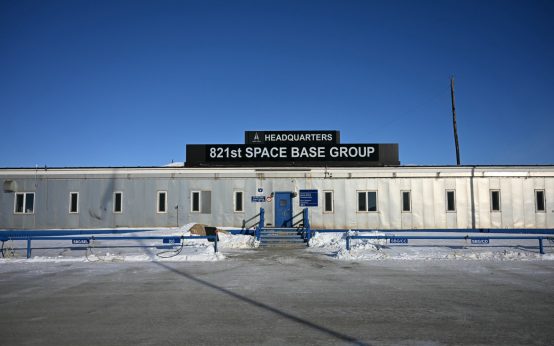 New U.S. Military Bases Planned in Greenland Amid Strategic Security Deal
 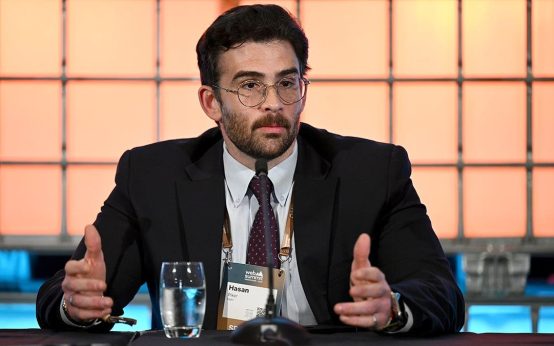 Twitch Streamer Hasan Piker Discusses Controversial Commentary
  A Shifting Political Landscape: The Decline of Autocratic Power