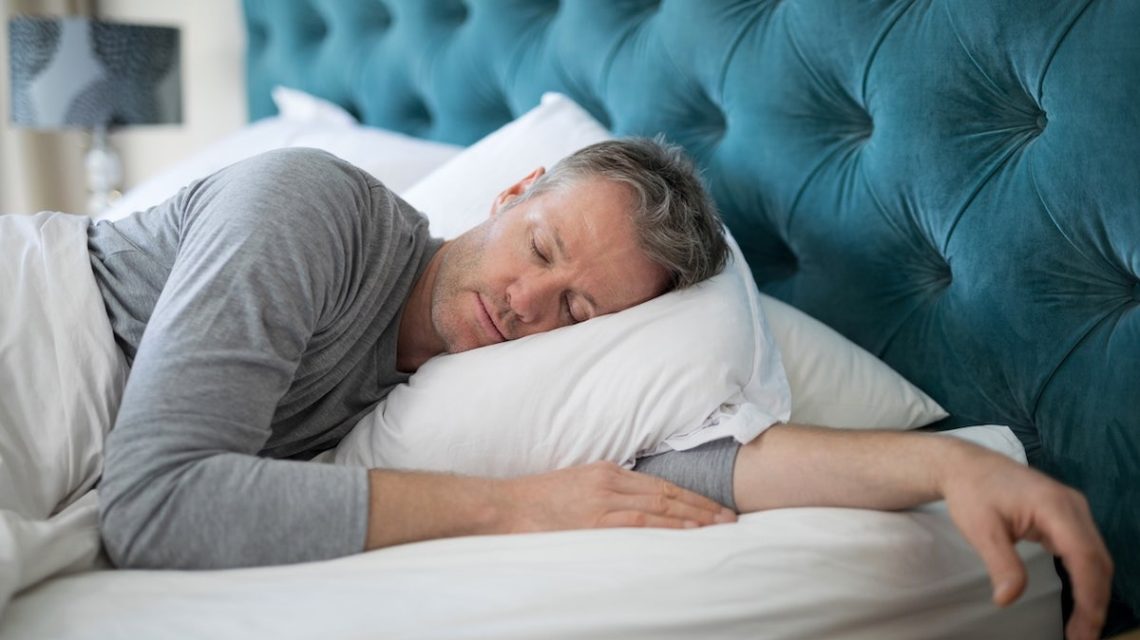
Turning the clocks back at the end of daylight saving time can lead to sleep disturbances. These changes may affect your ability to fall and stay asleep, and ongoing sleep loss can impact your health. While some studies suggest fall time changes might offer cardiovascular benefits, the sudden loss of evening light can reduce serotonin and melatonin production. This shift can result in a depressed mood, according to Dr. John La Puma, a California physician specializing in nature-based medicine.
Dr. La Puma explains that your body’s internal clock does not simply adjust to the clock on the wall. “When the clocks change, your body clock remains on the previous schedule,” he told Fox News Digital, highlighting common issues people experience. For instance, you might wake up hungry or sleepy earlier, relying on coffee more, as it gets dark by five and you encounter months of shorter days.
Making Adjustments to Your Routine
Dr. La Puma suggests several strategies to help ease the transition during the time change. Here are some practical tips:
No. 1: Make Small Schedule Shifts
With clocks changing overnight on Saturday, you can start adjusting your bedtime, meals, and wake-up time in small increments on Friday. “Shift your day later in gradual steps,” he advises. “Move your bedtime and meals forward by 15 minutes at a time.” For example, if you typically go to bed at 10 p.m., aim for 10:15 p.m. on Friday and 10:30 p.m. on Saturday. Adjust wake-up times and meals similarly, as schedules allow.
No. 2: Avoid Using the ‘Extra Hour’ for Late Nights
Since the time change coincides with Halloween, Dr. Saema Tahir, a sleep medicine doctor in New York City, warns against late nights and assuming the extra hour compensates. “Moderate alcohol intake, finish drinking hours before bed, and avoid caffeine after early afternoon,” she advises. Alcohol may induce drowsiness initially but disrupts sleep later, and caffeine lingers in your system, potentially leading to fatigue on Sunday.
No. 3: Get Outside at the Right Time
Dr. La Puma emphasizes intentional outdoor exposure. “Spend time outdoors at the right moment and location,” he recommends, particularly in the afternoon. “Late-day light differs from morning light. It signals a longer day, aiding in later scheduling.” Once adjusted to the time change, Dr. Tahir advises getting outdoor light within the first waking hour throughout winter. Light serves as the most potent signal to your body clock. Evening light extends the day, while morning light stabilizes it, helping mood and alertness.
No. 4: Create a Wind-Down Routine
Selecting a calming activity that signals an upcoming bedtime can promote a steady sleep schedule. Dr. La Puma supports integrating a soothing bedtime ritual, like using a workbook, sipping chamomile tea, taking a bath, or exploring aromatherapy, as outlined in his book, “Indoor Epidemic.” He cautions against screen light, which can suppress melatonin, the hormone indicating sleep time.
No. 5: Avoid Caffeine and Screens
It’s crucial to limit caffeine intake to before noon and halt screen use at least an hour before bed. Screen light may suppress melatonin, and even night mode might not completely negate this effect.
No. 6: Maintain a Consistent Schedule
After clocks change, keeping a regular wake-up time is essential, even on weekends, Dr. La Puma emphasizes. “Choose one wake-up time and consistently adhere to it.” He references an eight-year study of approximately 60,000 individuals, linking consistent sleep and wake schedules to a 19% reduced mortality risk. This consistency affects health outcomes like heart attack, stroke, and cardiovascular mortality.
If you experience persistent issues falling or staying asleep, frequent daytime fatigue, or sleep loss affecting daily activities, you should contact a healthcare provider, as advised by the National Institutes of Health.
Melissa Rudy, the senior health editor and a lifestyle team member at Fox News Digital, contributed this content. Story tips can be emailed to [email protected].
 The Impact of Online Negativity and How to Address It
 HHS Seeks New Vaccine Advisors
 Understanding High-Functioning Depression
 Sweet Moon Cafe & Bakery Expands to Wilmette
 Promising Results for Breast Cancer Treatment with Trastuzumab Rezetecan
 Josh Duhamel Urges Minnesotans to Vote