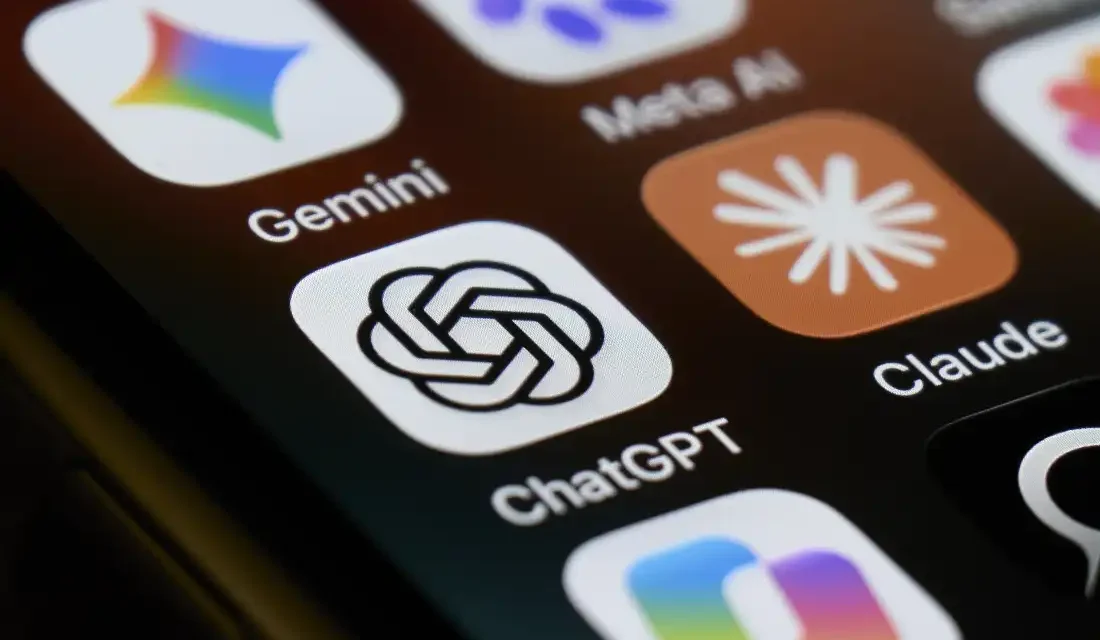
Artificial intelligence chatbots are becoming a regular part of life for American youth. Two new surveys reveal significant usage among tweens and teens.
According to Common Sense Media, almost half of children aged 9 to 12 have used an AI chatbot or companion. By age 13, around three-quarters have tried chatbots.
The mental health advocacy group JED Foundation found that 90% of 5,500 surveyed children aged 9 to 17 have used a chatbot. Nearly two-thirds use it for schoolwork and as a companion, or when stressed, lonely, anxious, or overwhelmed.
Anne Maheux, a developmental psychologist at the University of North Carolina, remarks on the rapid change in AI use. “A few years ago, no one was using AI this extensively,” she observes.
Teenagers like Arjun Sharda, from Texas, find AI useful for practice and understanding concepts. He uses OpenAI’s ChatGPT and Google’s Gemini, particularly preferring the latter. McKenzie Craig, from Massachusetts, uses AI to prioritize tasks and improve essays.
Despite its widespread use, AI’s role in mental health is mixed. Kayla Anderson of the JED Foundation notes a correlation between AI use and poor mental health. However, the data do not show that AI use causes these issues.
Maheux suggests that AI may exacerbate mental health challenges instead of helping. A study at UNC shows companionship-seeking youths becoming lonelier over time. This effect could mean reliance on AI hinders young people from developing stress management skills.
 Elon Musk’s Influence: A Modern Analysis
 Cannabis and Sleep: Surprising Research Findings
 Polymarket Trading Halted After Vendor Security Incident
 E.coli Outbreak Linked to Popular Pumpkin Farms
 Employee Granted Religious Accommodation for AI Use
 Strategies to Ease the Transition from Daylight Saving Time