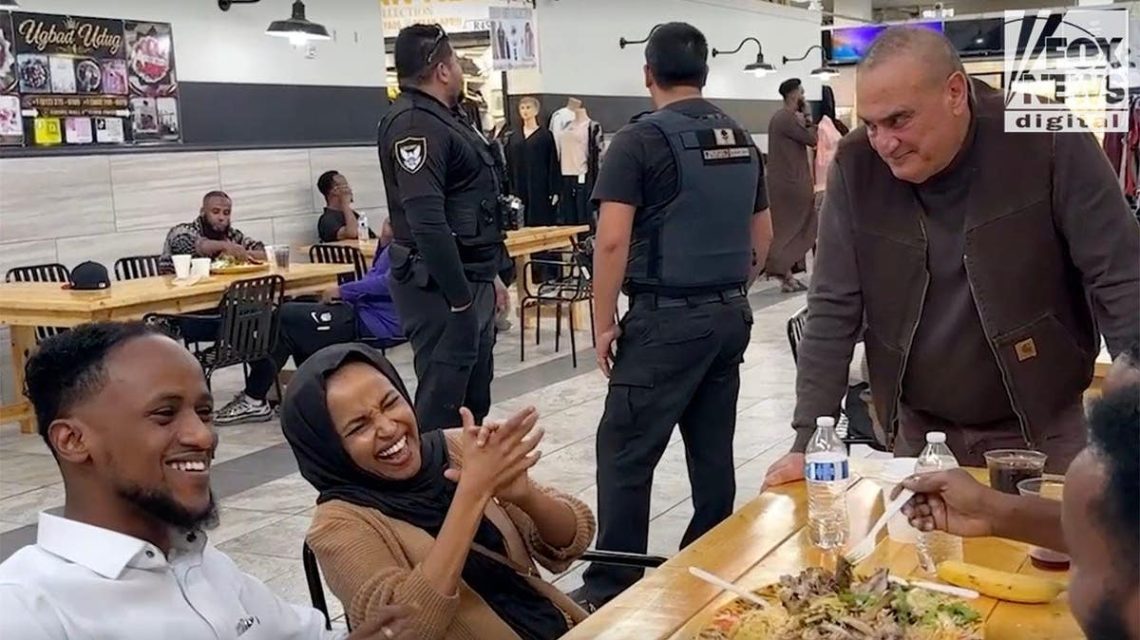
In Minneapolis, the Karmel Mall serves as a pivotal community space for the Somali population and offers insight into Somali culture. Following Rep. Ilhan Omar’s appearance there, Fox News Digital explored this unique cultural enclave in her home state.
Community Hub
Karmel Mall extends beyond merely a shopping destination. It embodies a community hub, predominantly featuring female entrepreneurs. As a local shop owner emphasizes, many women thrive in this business corridor, discovering opportunities within the mall’s environment.
Basim Sabri, a Gaza-born immigrant and owner of the mall, has built a real-estate empire starting from his beginnings in the U.S. as a student. His ties with local and state politics are significant.
Cultural and Economic Integration
For many Somali-born immigrants residing in Minneapolis, English is a secondary language. The mall, rich with diverse offerings, provides SIM cards for international calls, foreign exchanges, travel agency services, jewelry, perfumes, and traditional attire. It also houses restaurants, cafes, barber shops, and henna tattoo parlors.
An Islamic weekend school in the mall offers Quran education and recreational activities for children. While open to all, the mall predominantly serves the Somali community.
Assimilation and Challenges
Somalis are smart business individuals.
Despite being successful entrepreneurs, assimilation challenges persist. Reports indicate that over half of children in Somali households live in poverty compared to native Minnesotan children. Approximately 89% of Somali households receive welfare, with 39% lacking a high school diploma.
Steven Camerota from the Center for Immigration Studies (CIS) notes that modern integration impediments may stem from technological advancements and societal shifts in America. He argues that ongoing debates over America’s identity and history impact immigrants’ assimilation.
Immigration Dynamics
Currently, immigrants make up 15% of the U.S. population. Camerota compares this to past immigration trends and proposes that restrictive policies in the 20th century encouraged assimilation, suggesting similar measures might aid future integration.
The Mall’s Significance
Sabri’s commitment to the mall’s inclusivity persists despite facing personal challenges. He invites visitors to observe diverse business successes and contributions to the American dream within the space.
Karmel Mall illustrates Somali-Americans’ potential in integrating, innovating, and thriving economically, amidst complex societal dynamics.
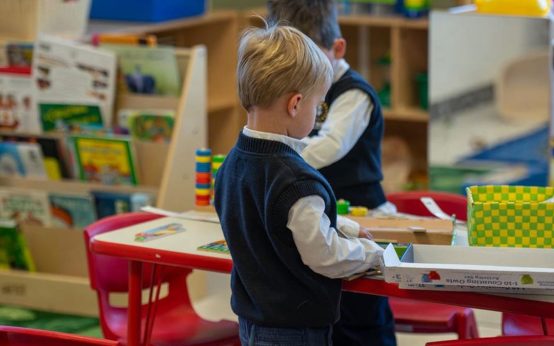 Supreme Court to Hear Case on Colorado’s Preschool Funding and Religious Schools
 Shooting Incident in Birmingham Following College Football Game
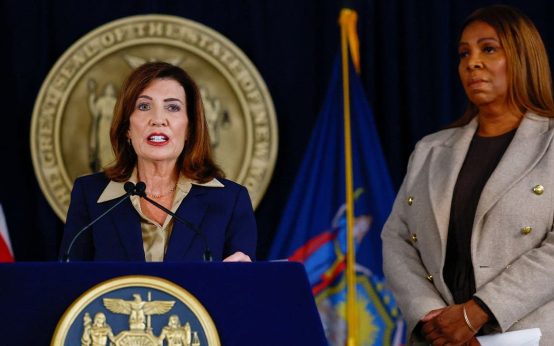 Case Involves Sexual Assault Allegations at Cornell
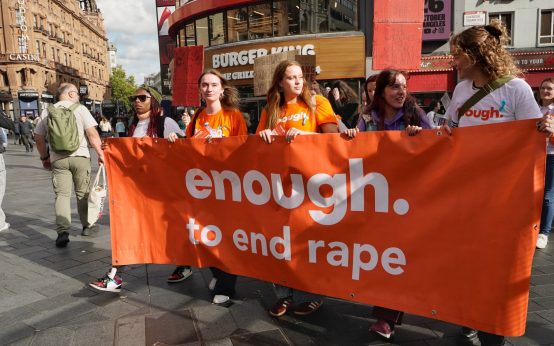 National ‘Take Back the Night’ Movement Gathers Momentum
 Los Angeles Leaders Criticize ICE Conduct in North Hollywood Incident
 Pregnant Woman Killed in Bay Area Halloween Store Shooting