As the upcoming election approaches, Americans await the outcome regarding control of Congress. This election will also test the reliability of two key indicators: polls and prediction markets. Currently, they concur that a Democratic wave is likely.
The RealClearPolling (RCP) average of polls for the 2026 generic Congressional vote shows Democrats leading Republicans by 8.2 points, 51.4 to 43.2. Similarly, Nate Silver’s polling average places Democrats ahead with 51.2 to 42.5.
On prediction markets, traders on Kalshi give Democrats a 69% chance of taking the Senate and a 92% chance of securing a House majority. Polymarket offers similar probabilities, with 72% for the Senate and 94% for the House.
Some closely watched races reflect this trend. For instance, in traditionally Republican Texas, Democratic candidate James Talarico leads over GOP’s Ken Paxton. Prediction markets favor Talarico, suggesting a historic shift in the state’s political landscape.
Elections like this highlight the interplay between polls and prediction markets, which rise and fall together. Political scientists note that prediction markets often interpret polls. However, recent elections have exposed weaknesses in both.
Christopher Wlezien of the University of Texas observes that significant clustering in polls can be concerning. Andrew Gelman from Columbia University notes that public polls overstated Democrats’ support in presidential elections, but were relatively accurate in recent midterms.
“When Trump hasn’t been on the ballot (2018, 2022), this bias disappears,” Erikson notes regarding state poll accuracy when Trump is absent.
Turnout discrepancies might explain polling misses, Gelman suggests. Occasional voters may lean Republican in presidential contests. By 2024, nearly 70% of national polls adjusted samples based on party affiliation or past votes.
While polling errors exist, there are efforts to improve accuracy. A November race showed significant polling errors with Democratic candidates underestimated in New Jersey and Virginia.
Gelman points out that nonresponse often favors one party across states, increasing misdirection in tight races. Concerns about data accuracy also arise as exemplified by a pollster fabricating survey results, detected by the aggregator FiftyPlusOne.
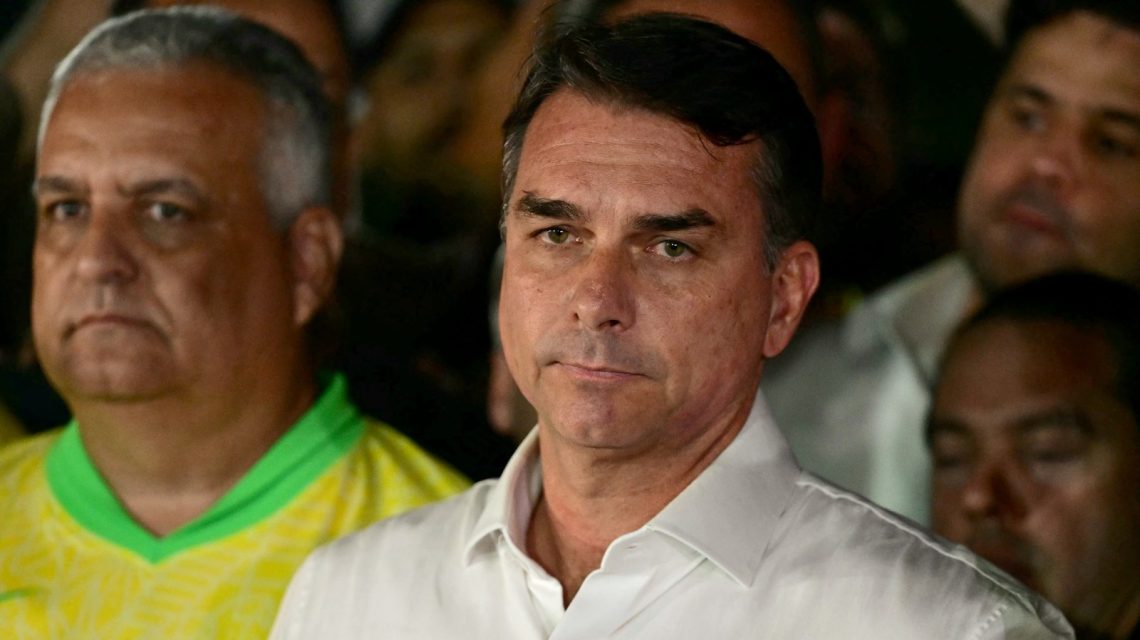
The events also test markets, which gained credibility in 2024 favoring Trump when polls indicated uncertainty. However, market predictions have faltered, such as in Florida and Wisconsin primaries, and the Brazilian runoff where Lula da Silva’s victory defied market expectations.
Experts like Alan Abramowitz dismiss prediction markets as they track polls and media commentary. Gelman considers market prices an interpretation of polls supported by factors like early voting.
Historical studies, such as those by Erikson and Wlezien, suggest that scientific polling enhances prediction accuracy, while price deviations increase errors.
Wlezien remains skeptical due to market inaccuracies, citing cases like Brazil. He also finds it odd that prediction platforms might price outcomes differently without immediate adjustments.
As over $1.4 billion trades on midterms, concerns about insider trading increase. Kalshi suspended candidates for betting on races, and Polymarket investigates election bets.
The upcoming events will test both polls and prediction markets. Success is measured by how closely the national House vote aligns with current Democratic lead projections. A discrepancy, whether favoring Republicans or significantly boosting Democrats, would challenge their credibility.
If markets misjudge outcomes as they did with recent favorites, confidence may wane. Erikson advises sticking with likely winners, but with a significant Democratic wave anticipated, any deviation will be revealing.
Failures might lead to a loss of trust among voters and the media. As fewer people heed election forecasts, future predictions might carry less influence.
 Federal Judge Dismisses Trump Administration’s Attempt to Block Senate Race Certification in Alaska
 Analyzing the Political Climate Ahead of the U.S. Midterm Elections
 Democratic Rivalry in Michigan Senate Race: Stevens Endorses Rogers
 Understanding Polling Averages and Their Limitations
 Ken Paxton Adjusts Senate Campaign Tour, Avoids Alamo
 Unexpected Political Alliances Emerge in Michigan Senate Race