
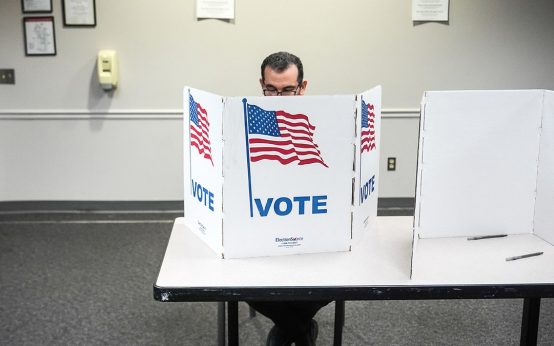
During early voting in the 2026 midterm elections, individuals observed in Doral, Florida highlight how polling averages have dominated the discourse in election predictions. Published opinions from various sources have often expressed concern over the way surveys are averaged without considering the context or quality of each poll.
There’s been a shift towards real-time updates in polling averages and prediction-market odds, leading to frequent changes in perceived political dynamics. Although these averages provide a timely snapshot of who might be leading in an election, they often fail to explain underlying reasons behind voter behavior. For instance, in Maine, 17% of voters disapproving of President Trump might vote for the incumbent Senator Susan Collins, even though Joe Biden carried the state by 9 points in the 2020 election. The reasons behind such voter decisions remain elusive, demanding further exploration beyond just numerical averages.
A recent New York Times/Portland Press Herald/Siena poll showed Collins slightly ahead, while other polls suggested a close race with Democratic challenger Troy Jackson. Examining the data reveals complexities in voter sentiment; some Collins supporters disapprove of Trump but still express support for her due to perceived effectiveness or concerns that Jackson aligns too far left politically.
There’s a wider discussion about how the results of polls impact public opinion on broader issues, such as data centers. Numerous surveys, including Gallup and Quinnipiac, have revealed significant opposition to data centers, primarily driven by concerns over increased energy costs and environmental impact. This represents a mandate for candidates who oppose data centers, yet a nuanced view shows willingness to accommodate them if developers absorb associated costs.
AI tools play a crucial role in analyzing poll data, capable of sifting through data quickly to identify patterns or overlooked questions. They require transparency and cautious interpretation to avoid errors. For journalists, verifying every data point is essential before drawing conclusions or framing the next inquiry.
Jon Cohen, founder of TrueDot, emphasizes the importance of going beyond averages. With the availability of comprehensive poll data and advanced AI tools, there is an opportunity to gain deeper insights into voter preferences and motivations. This approach calls for continued adaptation in polling methodologies and interpretation to understand what truly drives voter decisions.
 DHS Focuses on Noncitizen Voting Concerns Ahead of Midterms
 California Gubernatorial Race: Becerra vs. Hilton
 Democratic Representative Haley Stevens Endorses Republican Mike Rogers in Michigan Senate Race
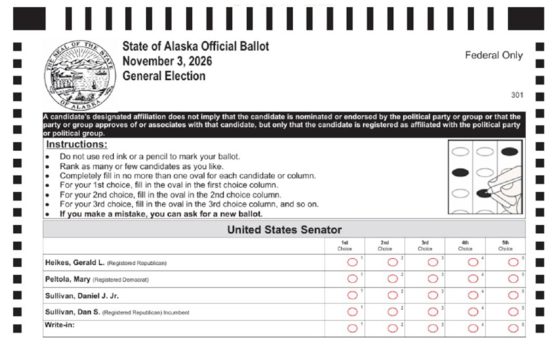 Debate Over Alaska Senate Ballot Spurs Legal and Political Challenges
 Sen. Chris Murphy Hospitalized After Stroke
 Challenges and Predictions for the Midterm Elections