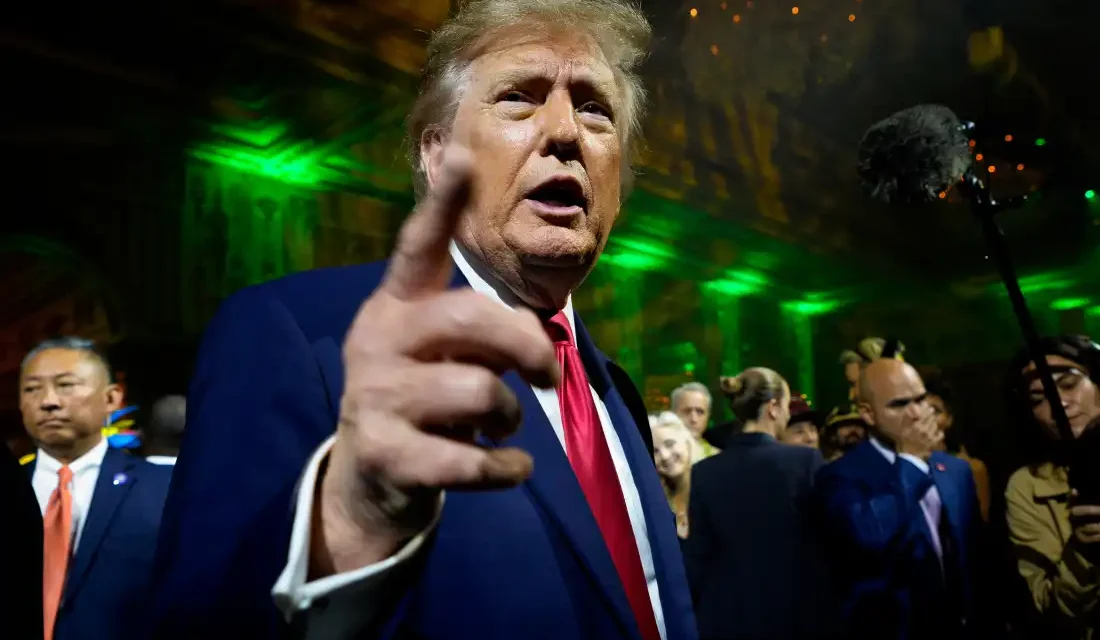
President Donald Trump addressed the media at a Halloween event at Mar-a-Lago on October 31, 2026, as economic pressures and political dynamics intensify. Trump was elected in 2024 with a promise to reduce prices, yet he faces low approval ratings and rising expenses, leading to widespread voter dissatisfaction. The ongoing conflict with Iran and Trump’s tariffs are seen as direct contributors to these economic challenges.
The economy faces a growing divide. The wealthy benefit from prosperous stock portfolios, especially those tied to AI companies. In contrast, many Americans face struggles with inflation, stagnant wages, a sluggish labor market, and increasing interest rates that hinder major purchases like homes and cars.
An NPR/PBS News/Marist poll revealed that 44% of respondents’ financial situations remained unchanged and 38% worsened, with only 15% noting improvements. Discontent also stems from harsh immigration policies, reductions in domestic programs, and regulatory cuts, stirring dissatisfaction among swing voters and energizing Democrats.
Midterm Elections: Historical Trends and Current Dynamics
Historically, midterms challenge the president’s party. Since World War II, the incumbent’s party has seldom gained House seats during midterms. On average, they lose 26 seats, with losses averaging 35 when the president’s approval is below 50%. Trump’s approval ratings remain low, predicting a challenging election for Republicans.
Democrats have capitalized on their periods of success during Trump’s term, performing well in special elections and the 2025 off-year elections. Yet, the unpopular Iran war and soaring gas prices hint at Democratic gains. Currently, Democrats are poised to capture the House and possibly the Senate, challenging earlier assumptions.
The Democrats’ Position and Potential Hurdles
While favorable conditions exist for Democrats, structural challenges remain. The Cook Political Report highlights fewer competitive districts now compared to 2018. Redistricting has provided Republicans with a slight edge, threatening Democratic gains, particularly dependent on Latino voter turnout in South Texas.
Though Republicans face adverse conditions, Democrats face internal challenges as well, struggling to placate an unsatisfied voter base. However, Democratic socialists express strong disapproval of Trump, viewing these elections as critical. This dynamic suggests a robust voter turnout against Trump.
The upcoming 2028 election looms large, as it will be a fresh contest, free from longstanding political legacies. Early announcements and positioning for candidacies are expected soon after the midterms.
Expectations, Turnout, and Future Impacts
Republicans’ success hinges on turnout, especially from Trump’s base in red states. A low turnout could shift Senate control towards Democrats, emphasizing the volatile nature of these elections.
Not all races will conclude by election night, with some key areas potentially delaying final outcomes. Trump’s claims of election rigging persist, reflecting his historical pattern of contesting unfavorable results, despite widespread confidence in fair elections across party lines.
The current election cycle highlights Trump’s complicated influence on the GOP. While his base remains loyal, swing voters’ disdain poses significant electoral challenges. Republican candidates have distanced themselves from Trump in their campaigns, underscoring his divisive presence in national politics.
Despite economic hardships and ongoing military commitments, polling indicates declining support among Trump’s previous crossover voters, complicating the path for Republican success. Both parties must be prepared for a landscape of tight majorities and necessary compromises to achieve legislative goals.
 Political Tensions Rise as Elections Approach
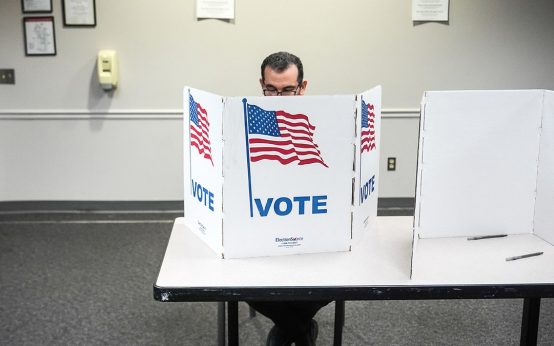 DHS Focuses on Noncitizen Voting Concerns Ahead of Midterms
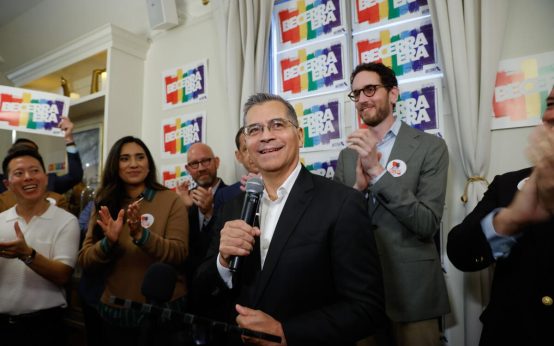 California Gubernatorial Race: Becerra vs. Hilton
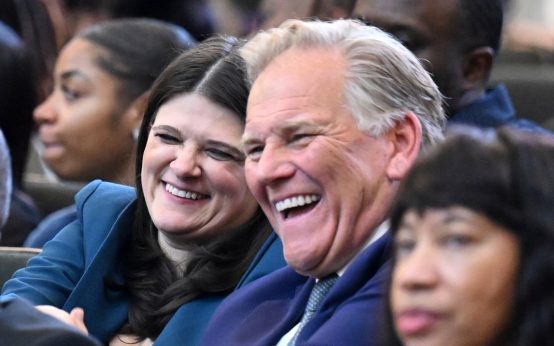 Democratic Representative Haley Stevens Endorses Republican Mike Rogers in Michigan Senate Race
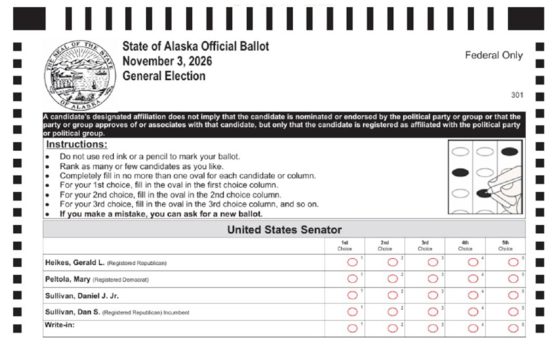 Debate Over Alaska Senate Ballot Spurs Legal and Political Challenges
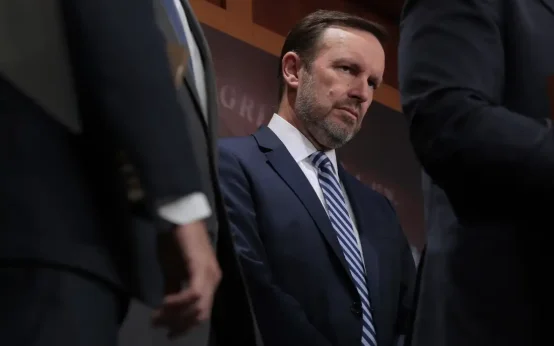 Sen. Chris Murphy Hospitalized After Stroke