The Republican Party is investing billions in campaign advertisements as the midterm elections approach, facing the potential for significant losses in both the House and Senate. According to AdImpact, Republicans spent $1.9 billion on ads in October, averaging over $60 million daily. Alongside $1.76 billion from Democrats and $350 million from independents, total ad spending for the month reached $4.01 billion, surpassing the $3.83 billion spent during the last presidential election year.
This election cycle is the most expensive in history, with $11.2 billion allocated to past and future ad reservations, expected to reach $11.6 billion. These figures indicate that both parties regard the elections as vital, with increased competitiveness and concerns about certain candidates’ success.
Where Is the Money Coming From?
Campaigns, individuals, and super PACs are driving major ad spending. For Republicans, the Senate Leadership Fund (SLF) has allocated over $460 million to battleground races by mid-October, as per Federal Election Commission (FEC) data. This was largely spent on opposition attack ads, bolstered by a significant fundraising effort and a large contribution from Elon Musk, whose America PAC raised $216 million and spent $172 million. Musk’s total spending between 2025 and 2026 reached $474 million. Other significant Republican donors include Donald Trump’s MAGA Inc. PAC and No Going Back.
On the Democratic side, Majority Forward and groups linked to financier George Soros have each invested over $100 million in campaigns, according to analyses from Al Jazeera and the New York Times.
Where Is the Money Going?
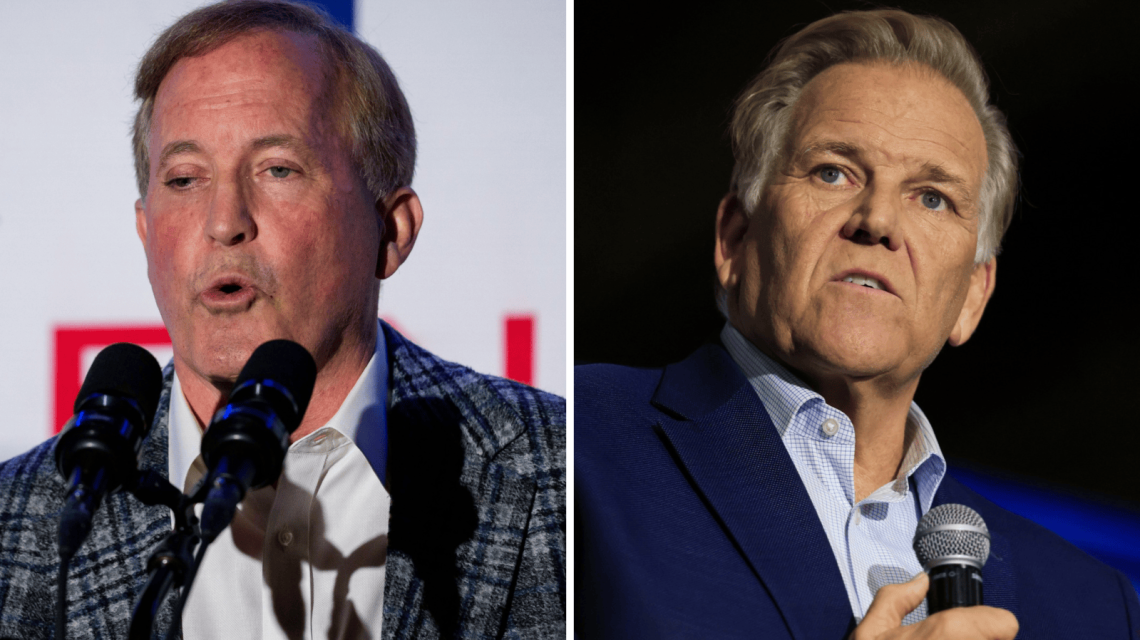
AdImpact’s regional analysis reveals that much of the spending targets Senate races in key battlegrounds. Over $500 million was spent on the Texas race between Democratic candidate James Talarico and Republican Ken Paxton. Data shows more than $200 million opposed Talarico, followed by Sherrod Brown in Ohio and Abdul El-Sayed in Michigan, with expenditures of $168.5 million and $127.8 million, respectively.
USA Today’s analysis of AdImpact data identified Maine’s contest as the most expensive per capita, with $218 million spent, equating to $160 per resident. Economic issues drive ad content, with voters prioritizing these concerns according to polls.
AdImpact, with information shared by Climate Power, reported $191 million spent on ads about utility and energy bills through September 2026, including $138 million in the third quarter. Ads focused on data centers attracted $173 million, predominantly from Democrats, followed by Republicans and independents.
In late October, Republican ads featuring Trump declined sharply, correlated with the president’s decreasing approval ratings. Many candidates distanced themselves from Trump, instead highlighting affordability and living costs. Newsweek’s investigation in September noted Republican candidates in close races removing Trump references online.
The change in strategy reflects understanding the audience, said former White House spokesperson Pete Seat, highlighting the risks of alienating a diverse electorate through TV ads. This year, affordability commands the political ad narrative, consuming over $800 million from Democrats, Republicans, and independents.
‘Long Night’ for GOP
Polling averages indicate challenges for Trump’s party. Nate Silver described it as a potential “long night.” Race simulations from RacetotheWH gave Democrats a 96.2% chance in the House and 81.2% in the Senate, projecting Democrats to have 237 and 53 seats, respectively.
The latest congressional ballot from AtlasIntel shows Democrats leading 55.5% to Republicans’ 41.4%, with 2.3% undecided and 0.8% not voting. The New York Times/Siena College poll revealed Democrats leading in seven critical Senate races.
Nate Silver noted that while polls could be wrong, they favor Democrats having a successful year.
Editors: Daniel Orton and James Debens.
Join our discussion on ‘Newsweek Webinar: How the Politics of AI Could Shape Midterms’ on November 10. Explore AI policy’s influence in key races, data centers, and political divisions.
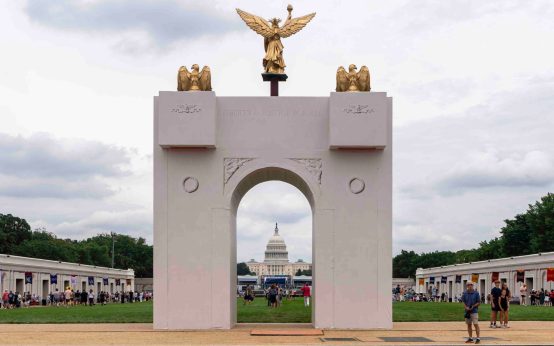 Judicial Ruling Delays Trump’s Memorial Arch Construction
 Upcoming U.S. Congressional Races: A Detailed Analysis
 Concerns Over Trump’s Potential Reaction to Midterm Results
 Changes in the 2026 Trafficking in Persons Report Raise Concerns
 Judge Halts Trump Administration’s Voter List Dissemination
 Midterm Election Updates: Early Voting, Senate Races, and DOJ Monitors