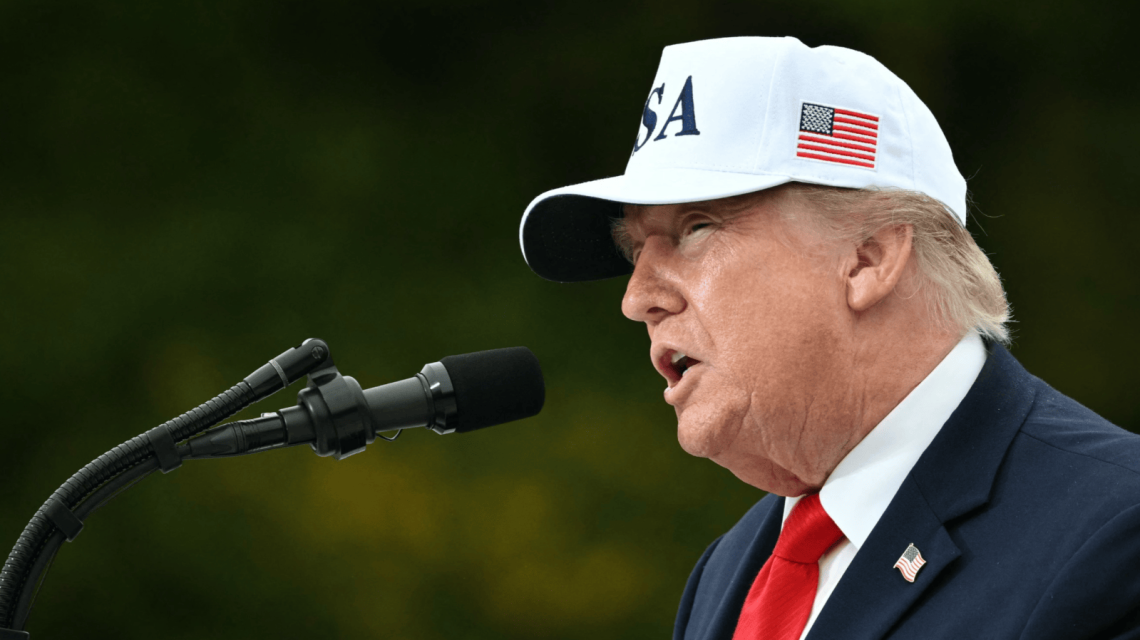
A federal judge has stopped the Trump administration from distributing lists of suspected noncitizen voters to states, blocking the action just hours before the midterm elections. U.S. District Judge Tanya Chutkan issued this order, affecting the Department of Justice and Department of Homeland Security. Her concerns centered on the potential misidentification of eligible voters as noncitizens.
The timing of the ruling came as voters prepared for the midterms, with Republicans looking to maintain control of Congress. Judge Chutkan, appointed by former President Barack Obama, granted a preliminary injunction following a lawsuit initiated by the League of Women Voters and other related groups. These organizations emphasized the risk of wrongly tagging legitimate American voters as noncitizens, thus undermining their privacy and voting rights.
The order prohibited federal officials from sharing information that identifies individuals as potential or confirmed noncitizen voters with election authorities responsible for registration and ballot processing.
The ruling also stipulated that the administration must file a compliance report within 24 hours. This includes identifying a senior official accountable for ensuring adherence to the ruling. Importantly, Judge Chutkan did not restrict federal entities from responding to individual requests for citizenship confirmation through the Systematic Alien Verification for Entitlements system or pursuing legal action against federal lawbreakers.
This legal action, filed on October 15, opposed the administration’s strategy to gather electoral registration data from states and cross-reference it with federal records. The plaintiffs argued this violated privacy laws and could erroneously reduce citizen participation in elections. They contended this policy interfered with state-run election processes.
The Trump administration justified its actions as enforcing federal election policies and preventing voting by ineligible noncitizens. Although noncitizen voting in federal elections is already illegal, the administration claimed it remained a potential threat.
As the midterms neared, the dispute grew, with federal officers targeting voter rolls to find suspected noncitizens. In California, they claimed to identify over 20,000 voters potentially not eligible to vote, requesting their ballots be isolated. State representatives questioned the reliability of this data and cautioned that satisfying such demands could disrupt elections and disenfranchise lawful voters.
In a related case, U.S. District Judge James Boasberg blocked efforts to compel California to alter voting procedures based on the noncitizen lists. These legal skirmishes underscore broader disagreements over federal intrusion into state-managed elections.
President Trump has consistently argued that noncitizen voting poses a serious risk to elections, although substantiating evidence is sparse. The administration maintained that comparing registration entries with federal immigration data could help eliminate voter fraud. Voting rights advocates warned that flawed or outdated databases might wrongly label American citizens as ineligible to vote.
Judge Chutkan’s decision remains a temporary measure while the lawsuit progresses. The court announced that a comprehensive opinion detailing the rationale behind the decision would follow.
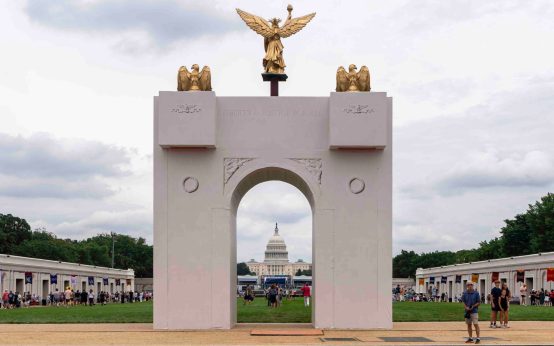 Judicial Ruling Delays Trump’s Memorial Arch Construction
 Upcoming U.S. Congressional Races: A Detailed Analysis
 Concerns Over Trump’s Potential Reaction to Midterm Results
 Changes in the 2026 Trafficking in Persons Report Raise Concerns
 Midterm Election Updates: Early Voting, Senate Races, and DOJ Monitors
 Election Day Developments Across the U.S.