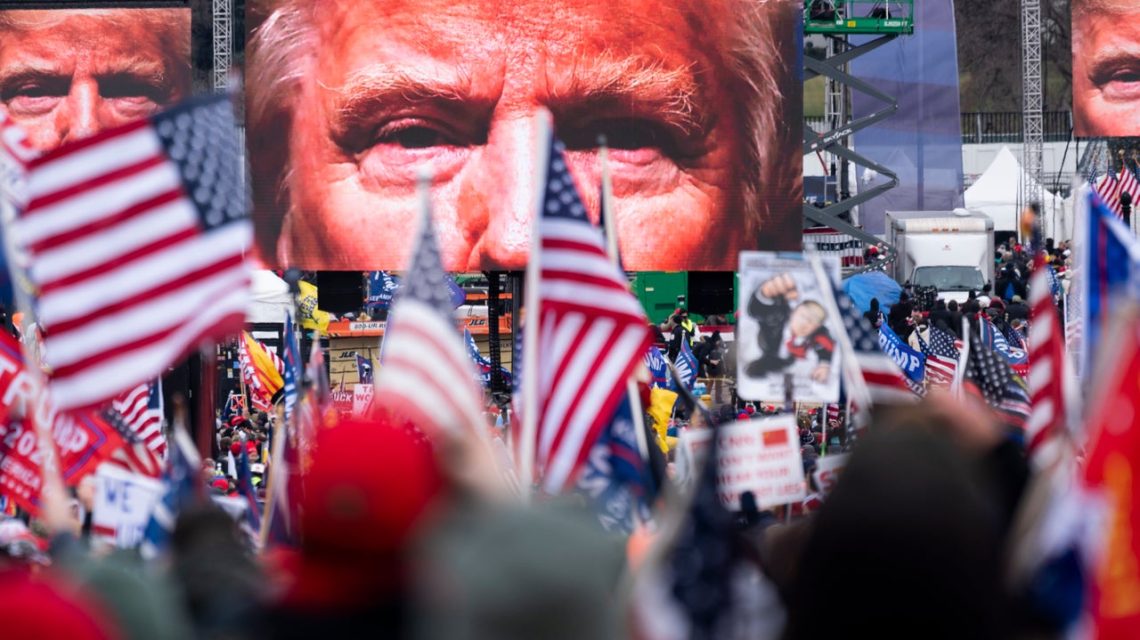
As the midterm election results approach, a pressing concern lingers: What if Donald Trump refuses to accept the results and attempts to overturn them? While legal experts affirm that the Constitution grants no election administration role to a president, history shows Trump may not adhere strictly to these norms.
Concerns of Authoritarianism
Ty Cobb, a former lawyer in the White House Counsel’s office, noted Trump’s willingness to embrace extreme measures, citing his tolerance for violence in 2020. Cobb expressed concerns regarding Trump’s potential for further violence, highlighting his past actions which indicate a readiness to stretch or violate the law.
Trump’s history includes deploying unmarked federal agents against local officials’ wishes and engaging in unauthorized military actions. These actions underscore fears of possible illegitimate tactics during the midterms.
Advised by Allies and Intentions Questioned
Amid fears Trump might use unlawful methods to maintain his party’s control, he has allegedly been advised to consider martial law if necessary. His ambiguous responses and demands for transparency on supposed cheating fuel concerns about his intentions should Republicans lose.
Democracy Advocates’ Perspective
Democracy advocates emphasize past legal failures of Trump’s administration in obstructing Democratic turnout. They remain hopeful courts will uphold the law against any further attempts. Norm Eisen, an experienced attorney in democracy-related legal matters, underscored trust in the rule of law, despite ongoing challenges.
Others, like Stephen Richer, Arizona’s former top election official, warn of the potential for severe disruptions. Richer recounts personal experiences during the 2020 election that challenged his confidence in American electoral norms.
Internal Resistance
Trump’s failure to overturn the 2020 loss stemmed from key officials prioritizing the Constitution. Concerns arise as loyal Trump supporters now populate these critical roles. A Republican insider highlights the absence of moderate voices in the administration, enhancing fears of unchecked actions.
Trump’s Claims of Election Fraud
Trump’s rhetoric has consistently questioned election integrity. His pattern of claiming fraud dates back to his 2016 campaign loss in the Iowa Republican Caucuses. Despite winning the presidency, Trump perpetuated baseless voter fraud claims, intensified further in the 2020 elections.
Continued Electoral Disputations
Nearly two years post-election, Trump continues to disseminate unfounded claims regarding the 2020 election. His remarks during rallies and interviews underline persistent allegations of fraudulent practices, distorting past election outcomes.
Potential Abuse of Authority
Richer speculates about scenarios where Trump could misuse presidential authority to influence election outcomes. Past comments and actions contribute to this speculation, raising alarms about potential escalations of power misuse.
Legal experts, like Walter Olson, maintain optimism but recognize the importance of mobilizing society against a potential breakdown in legal norms.
Republican Leadership’s Role
Preventing potential chaos in American democracy rests with key GOP leaders. Figures like Senate Majority Leader John Thune and House Speaker Mike Johnson face decisions that could significantly impact the country’s political landscape moving forward. Their leadership could either mitigate or exacerbate the tensions surrounding the elections.
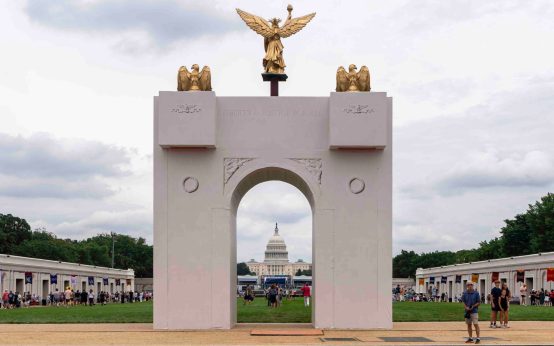 Judicial Ruling Delays Trump’s Memorial Arch Construction
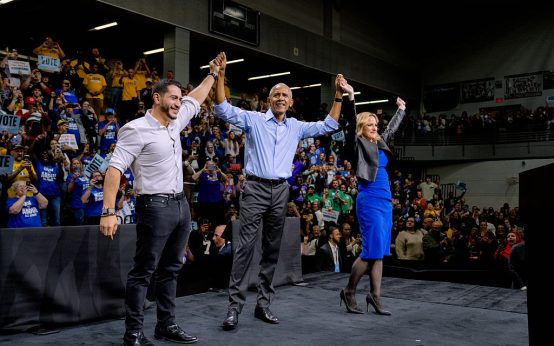 Upcoming U.S. Congressional Races: A Detailed Analysis
 Changes in the 2026 Trafficking in Persons Report Raise Concerns
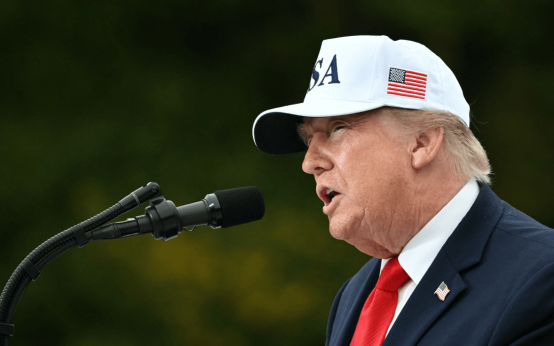 Judge Halts Trump Administration’s Voter List Dissemination
 Midterm Election Updates: Early Voting, Senate Races, and DOJ Monitors
 Election Day Developments Across the U.S.