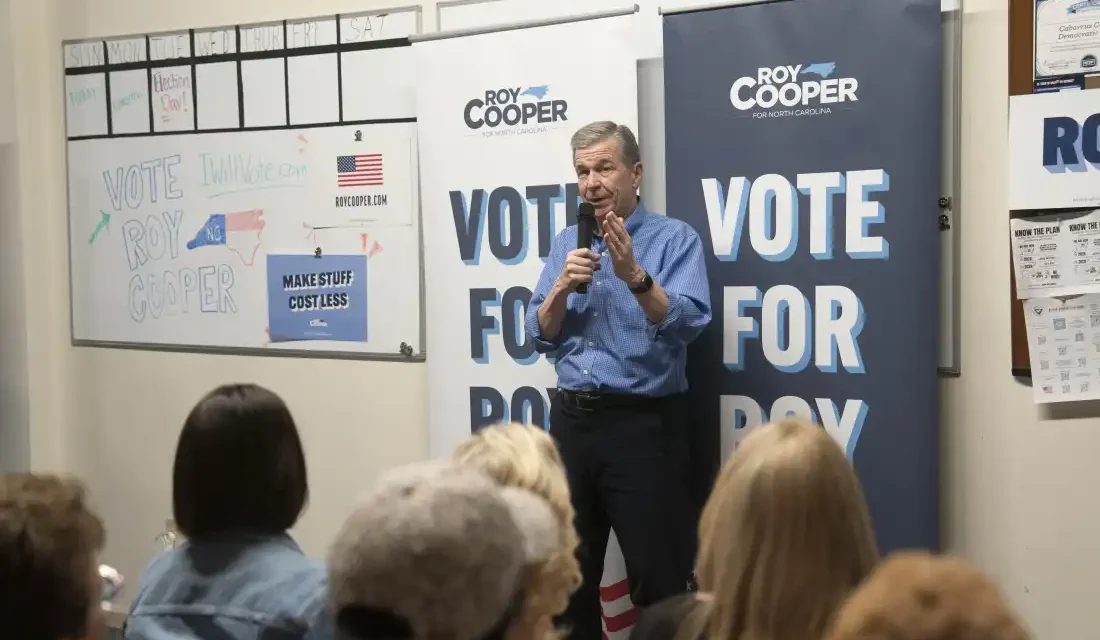
Democrat Roy Cooper Secures North Carolina Senate Victory
Roy Cooper, the former governor of North Carolina and the Democratic Senate nominee, achieved a significant victory by winning North Carolina’s open U.S. Senate seat. This win marks the first time a Democrat has been elected to the Senate from North Carolina since 2008. The Associated Press confirmed Cooper’s victory over Michael Whatley, a former Republican National Committee chair, who was selected by President Trump to replace the retiring GOP Senator Thom Tillis.
Campaign Strategies and Spending
Cooper and national Democratic Party groups outspent Whatley and his Republican counterparts extensively throughout the campaign. In the weeks leading up to the election, national GOP organizations shifted their financial resources from North Carolina to other key battleground states such as Kansas, underscoring the challenges faced by Whatley’s campaign.
Key Campaign Themes
Governor Cooper made affordability issues the focal point of his campaign, organizing events state-wide under the banner of the “Make Stuff Cost Less” tour. In contrast, Whatley emphasized crime and immigration, critiquing Cooper for a COVID-era legal decision that resulted in the release of inmates to reduce prison overcrowding.
Polling data suggested that economic concerns outweighed crime in the minds of North Carolina voters. Cooper’s campaign portrayed Whatley as a Big Oil lobbyist, asserting that he would align closely with Trump’s interests in the Senate.
Republican Criticism and Strategic Missteps
Patrick Sebastian, a Republican strategist, remarked on the campaign shortcomings, noting that Whatley should have prioritized economic issues more prominently in his messaging. “The economy is Issue A,” Sebastian commented, highlighting its precedence over other concerns such as government corruption. He argued that failing to address these priorities hindered connections with everyday voters struggling with increased commodity prices.
Impact of Political Shifts
The North Carolina Senate race was initially expected to be highly competitive and one of the country’s most expensive contests. However, Whatley’s lack of polling leads and his inability to gain momentum contributed to Cooper’s expanding lead. Late campaign efforts included rallies by Trump and Vice President Vance to bolster GOP voter turnout, although these efforts were insufficient to revive Whatley’s campaign.
Background on Incumbent Retirement
In 2025, Thom Tillis announced his decision not to seek reelection, following Trump’s threat of a primary challenge due to Tillis’ lack of support for Trump’s tax and spending proposals. Tillis has since focused on promoting his new book, which criticizes certain Republican strategies.
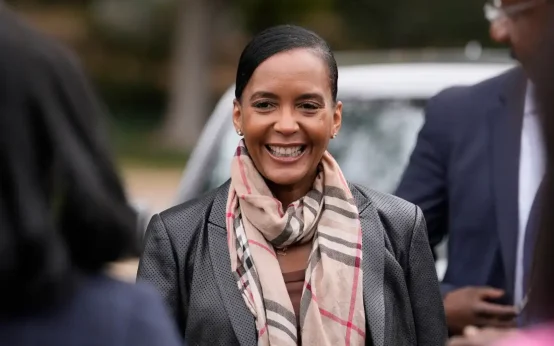 Keisha Lance Bottoms Becomes First Black Female Governor in Georgia
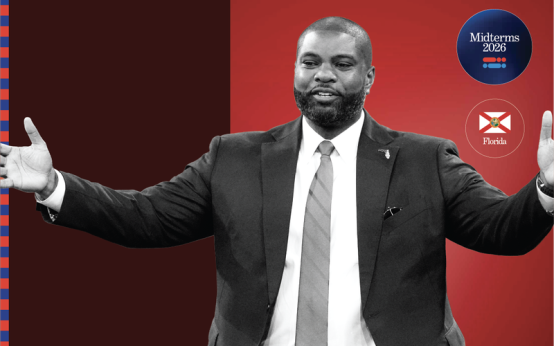 Byron Donalds Wins Florida Gubernatorial Race Against David Jolly
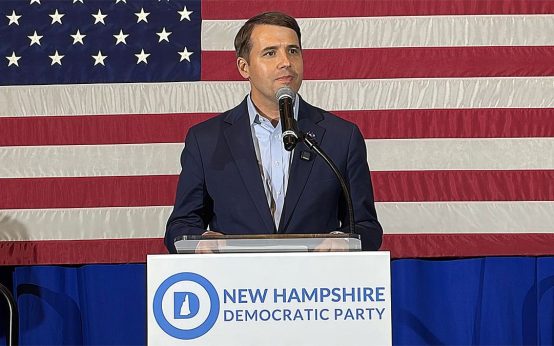 Chris Pappas Wins New Hampshire Senate Race
 Rob Gronkowski Joins Voter Rally in New Hampshire
 Stock Futures React to Democratic Gains in Early Vote Counts
 Election Night Highlights: Updates and Projections