
In a surprising move, state election officials received an unexpected invitation from the Trump administration for a conference call on midterm election preparations, which was organized by the FBI for late February. This email arrived at a particularly tense time as the Justice Department has been suing multiple states for access to unredacted voter rolls, the FBI conducted a raid on an election office in the Atlanta area, and President Donald Trump has put forward suggestions to nationalize certain elections.
This invitation marked the first time in months, or possibly ever, that some state election leaders heard from the Trump administration regarding election security. Previously in February, as many as seven representatives from the Trump administration, including up to three Cabinet Secretaries, were expected to attend a National Association of Secretaries of State (NASS) conference in Washington, D.C. Ultimately, only a single aide from the White House made an appearance.
Nevada Secretary of State Cisco Aguilar, a Democrat, expressed skepticism in response to the unexpected email announcement. “Given what has happened over the last two weeks, the drama that occurred at NASS, and then to arbitrarily just send out an email with a predetermined date and time with everybody’s emails exposed, saying get on this call,” Aguilar remarked, questioning the authenticity of the communication.
At the recent NASS conference, several secretaries of state shared that their contact with the current Trump administration has been minimal, especially since substantial cuts were made last year to the federal agency that aided states in securing their elections. The first Trump administration recognized elections as critical infrastructure, establishing the Cybersecurity and Infrastructure Security Agency (CISA) to assist states in securing their elections both physically and digitally under the Department of Homeland Security (DHS). This agency provided states with financial support, manpower, and expertise, also facilitating information-sharing initiatives.
However, major funding cuts have hampered these operations. The Election Infrastructure Information Sharing and Analysis Center, a nonprofit funded by DHS, experienced a reduction in funds as it was deemed “no longer supportive of Department priorities,” according to a letter obtained by NBC News.
“The fact that they’ve actually dismantled and defunded the very real, tried and true infrastructure that was in place in 2020 to protect our elections against foreign interference, that speaks for itself about where their focus really is,” stated Michigan Secretary of State Jocelyn Benson, who is seeking to become governor.
Efforts have been underway by Benson to secure the necessary funds to employ former CISA employees. In Michigan, she aims to rebuild these federal systems ahead of upcoming elections. A similar sentiment was echoed by Arizona Secretary of State Adrian Fontes concerning the challenges faced due to the absence of the tools previously relied upon.
States have been developing their own threat-monitoring operations to replace the federal systems defunded by CISA. Colorado Secretary of State Jena Griswold has noted the impact of losing federal resources and analysts, highlighting the gap in intelligence between states.
Previously, during the first Trump administration, intelligence briefings proved invaluable, as noted by Minnesota Secretary of State Steve Simon. Despite requesting continued briefings from the federal government, Simon and Connecticut’s Secretary of State Stephanie Thomas received no response. The recent FBI briefing invitation represented the first contact on election matters from the Trump administration other than issues related to voter rolls.
Recently, lawsuits regarding voter rolls have been filed by the Justice Department against several states, including Connecticut, leading to frustration among state election officials attempting to understand the federal interest in sensitive personal data.
In response to inquiries about the reduction in support for state election security, the White House emphasized President Trump’s dedication to accurate and secure elections, referencing his advocacy for new voting restrictions.
While not all states felt reliant on CISA, with states like Nevada working on developing their own systems, others like New Hampshire asserted their self-reliance in managing election processes. Various state officials provided different accounts of their collaboration with federal agencies during midterm preparations. Maine Secretary of State Shenna Bellows sought clarity on Trump’s executive order related to elections at the NASS conference, though this session encountered a last-minute cancellation by officials expected to provide answers.
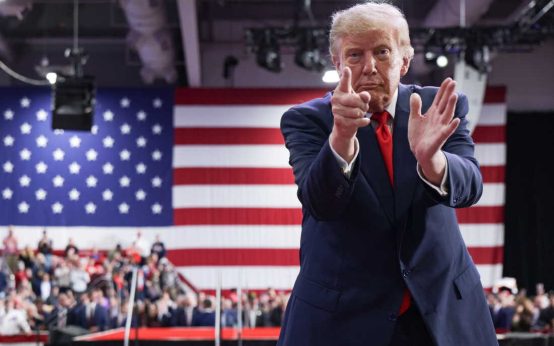 Controversy Surrounds Government-Funded Ads Promoting President Trump
 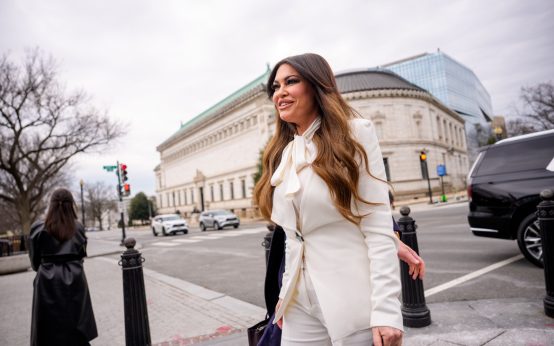 Trump Considers Dismissing U.S. Ambassador to Greece Amid Conduct Allegations
 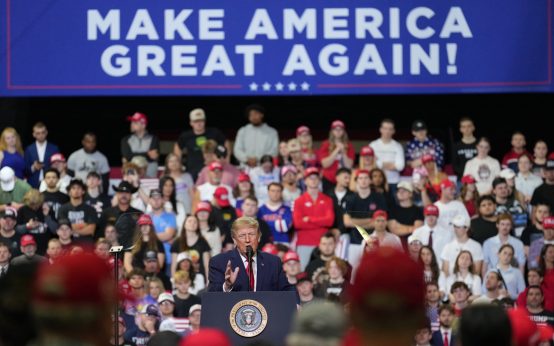 Trump Holds Rally in Ohio Ahead of Midterm Elections
 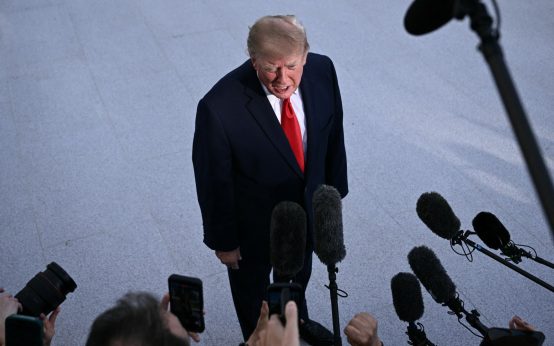 White House Videos Facing Legal Scrutiny Over Use of Federal Funds
  Eric Trump Supports Investigation into ABC News Story
  Zelensky Challenges Trump Over Russia Diesel Deal