
Democrat Sherrod Brown emerged victorious in Ohio’s special U.S. Senate election held on Tuesday. This win marks his return to the Senate two years after being ousted by voters. CNN projected Brown as the winner at 11:01 ET, with 88% of the estimated vote counted. Brown secured 48.5% of the votes, outpacing his opponent, Republican Senator Jon Husted, who received 46.6%.
This victory hands Democrats a crucial Senate seat from a state that President Donald Trump won by 11.2 percentage points in 2024. It reinstates Brown, a seasoned three-term former senator, into the office he lost previously. With 88% of votes counted, Ohio becomes the latest state to shift to Democrats. This change follows previous flips in South Carolina, North Carolina, Georgia, New Hampshire, and Texas, where James Talarico maintained a 20-point lead with 69% counted.
Why The Result Matters
The winner of this election will serve until January 2029, completing the final two years of the six-year term initially won by Vance in 2022 before he resigned to become vice president. Republican Governor Mike DeWine appointed Husted to the seat in January 2025.
Ohio’s victory is pivotal for the Democratic path to Senate control. Republicans controlled the Senate with a 53-47 majority before the election, necessitating Democrats to gain four seats, as Vance could break a 50-50 tie favoring the GOP.
David Niven, a political scientist from the University of Cincinnati, anticipated the contest as potentially the most significant Senate race nationwide. He pointed out that dissatisfaction with President Trump and the Republican governance both at the state and federal levels were central forces influencing the contest. “The biggest factor right now is that Trump’s popularity has plummeted,” Niven observed.
Economic issues also played a role in making Ohio more competitive despite its trend towards Republicans. “If Ohioans vote economics, this is a very competitive state,” Niven noted, referencing the mix of manufacturing, agriculture, and major corporations in Ohio’s economy.
Highlighting the election’s uncertainty, campaign spending reflected this volatility. By June, $16 million had already been poured into advertising, with additional pledges reaching tens of millions. The total advertising expenditure eventually exceeded $500 million, ranking the contest among the nation’s most expensive Senate races.
Test of Ohio’s Republican Shift
Historically, Ohio was central in presidential elections due to its economic representation, with major farming and manufacturing sectors reflecting the broader national economy. “What Ohio was and the reason it was a competitive state is it was economically representative,” Niven said.
Despite Ohio’s shift towards Republicans, as evidenced by Trump winning Ohio by substantial margins in recent presidential elections, Brown managed to stay ahead of the party’s presidential ticket. He narrowly lost his 2024 Senate race to Republican Bernie Moreno with 50.1% to 46.5%, a margin significantly less than Trump’s statewide lead. This performance convinced Democrats that Brown still had a viable path in Ohio compared to less-established candidates.
Two Deeply Familiar Candidates
This race presented voters with two well-known figures in Ohio politics. Brown brought extensive experience, having served in various offices including the Ohio House, secretary of state, and U.S. House before winning the Senate seat in 2006. He maintained a strong political identity centered around labor and manufacturing.
Similarly, Husted had a significant presence within Ohio Republican circles, having served as speaker of the Ohio House, a state senator, secretary of state, and lieutenant governor. The race thus offered voters a choice between two forms of political familiarity.
If Sherrod Brown Wins: What It Means
Brown’s win illustrates that Ohio’s Republican shift is not fixed, especially when Democrats back a candidate with a robust statewide record and a recognizable working-class identity. Before the election was called, Niven remarked that while the result would initially reflect a reaction to Trump, it should not be construed solely as a sign of a profound partisan realignment.
Niven pointed out that Ohio had become more Republican over the past dozen years without necessarily becoming more conservative. This shift allows space for candidates who can convincingly align themselves with Ohioans’ interests.
 Election Updates: Key Results and Analysis
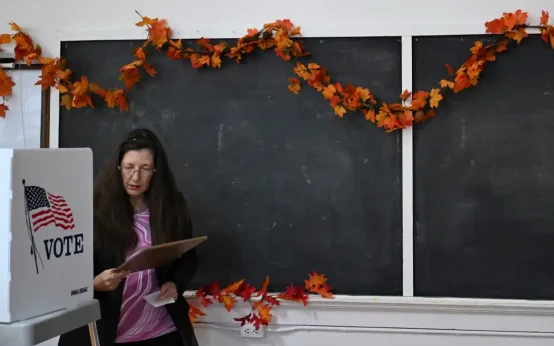 Demographic Voting Patterns in Midterm Elections
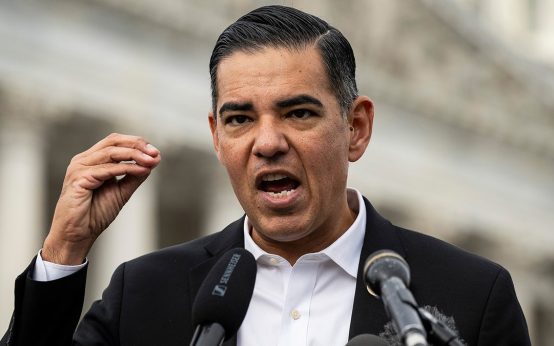 Democrats Prepare Extensive Probes of Trump Administration Following Midterm Wins
 Elon Musk’s Political Gamble in Texas Backfires
 Democratic Victory in 2026 Midterms and Its Impact on Trump and the Republican Party
 GOP Faces Defeats as Democrats Gain Power in Recent Elections