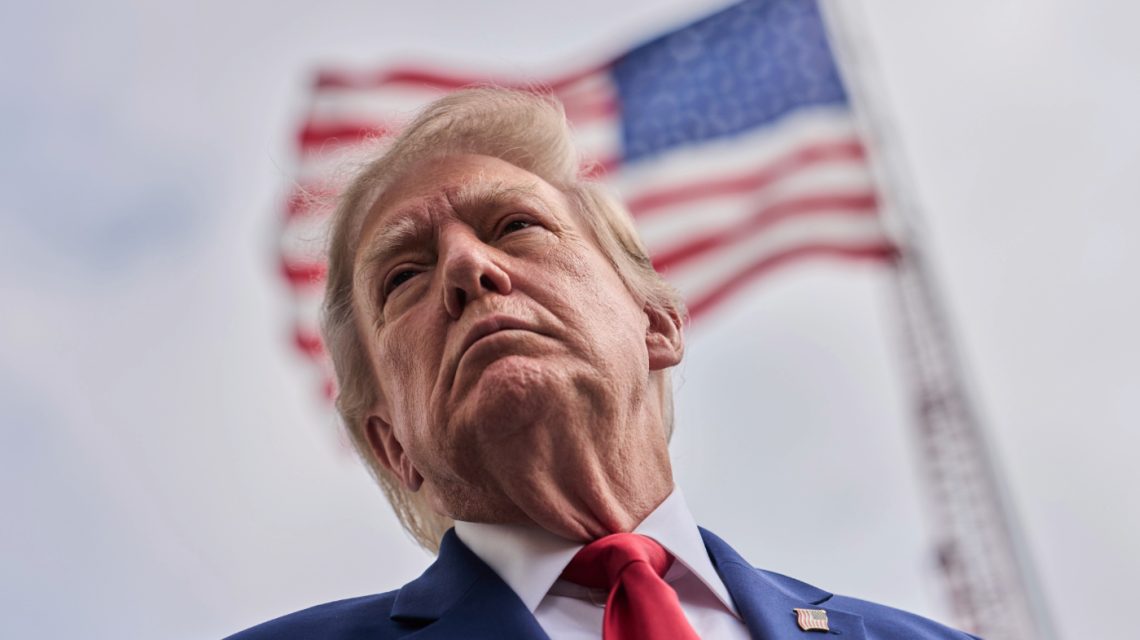
As the 2026 midterm elections concluded, a noticeable shift in American politics emerged. The Democrats achieved a significant victory, marking a pivotal moment not just for the party, but also for the Republicans, particularly President Donald Trump. Despite spending over $11.21 billion on campaign ads, surpassing the 2024 presidential cycle’s expenses, the Republicans failed to convey a convincing plan to voters on how to tackle economic issues attributed to Trump.
The Republican party’s efforts to secure their position were undermined by Trump’s unpopularity and an affordability crisis. Their attempts to retain voter support from 2024 dwindled, with the election results reflecting this downfall. By the end of election night, the scale of the Democratic victory was undeniable, with significant wins in traditionally Republican strongholds like Kansas, Iowa, Texas, Ohio, and the Carolinas.
Among the standout results was James Talarico’s significant win over Trump-endorsed Ken Paxton in Texas. In Georgia, Keisha Lance Bottoms made history as the first Black female governor, marking a significant shift in a once deeply conservative state.
The aftermath of the elections led Trump to reluctantly accept the results, marking a notable retreat from his customary claims of election fraud. Even within the Republican ranks, a rift appeared as figures like Florida Governor Ron DeSantis distanced themselves from Trump on policy issues. High-profile allies, including former Rep. Scott Perry, lost their seats, illustrating a shift within the party.
Entering 2027, Trump faces a diminished presence in Washington, with fewer allies and a party questioning his leadership. The impact of the elections has left Trump in one of his weakest positions since early 2021.
For the Democrats, this outcome was a comeback moment, following their 2024 loss to Trump. Capitalizing on Trump’s policy failures, they realigned their internal divisions and built a unified message focusing on economic concerns. By appealing to a diverse electorate including Latinos, Arab Americans, young people, and independents, Democrats effectively communicated the financial strain under Trump’s presidency.
Exit polls reflected a strong voter focus on affordability and public corruption, with many attributing worsening conditions to Trump. This sentiment highlighted Republican difficulties in addressing these crises and the existing voter dissatisfaction.
The Republican Party, now at its weakest since the late 2000s, confronts the challenge of evolving beyond Trump’s overshadowing presence. A new strategy must be devised to regain political ground as the political landscape begins to shift toward the 2028 elections.
 Election Updates: Key Results and Analysis
 Demographic Voting Patterns in Midterm Elections
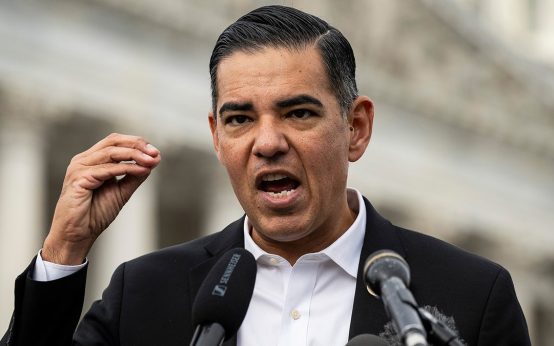 Democrats Prepare Extensive Probes of Trump Administration Following Midterm Wins
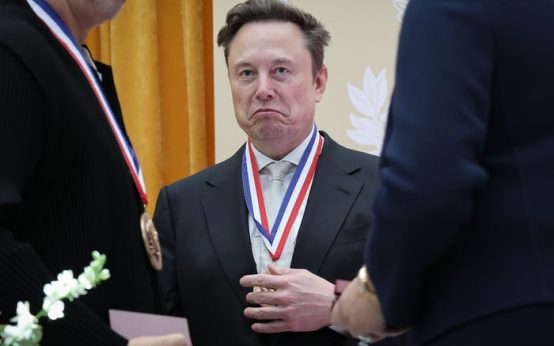 Elon Musk’s Political Gamble in Texas Backfires
 GOP Faces Defeats as Democrats Gain Power in Recent Elections
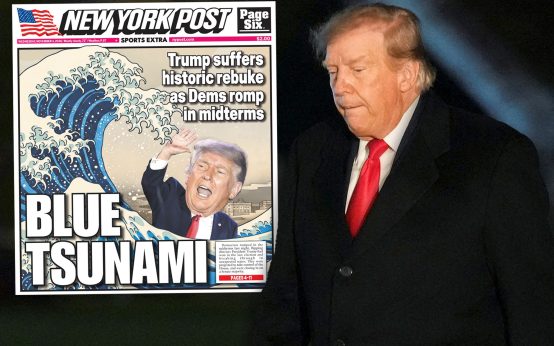 Why Trump’s Reaction to the Recent Political Upheaval Matters Beyond His Presidency