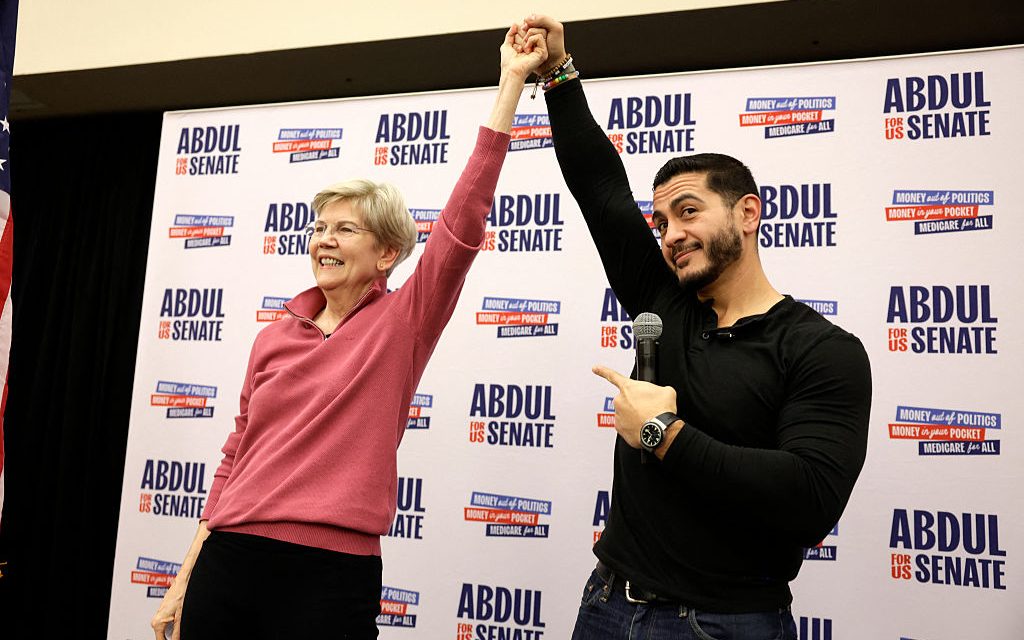
Dr. Abdul El-Sayed, known for his progressive views and expertise in public health, emerged victorious in Michigan’s Senate race, defeating former Representative Mike Rogers. The Associated Press confirmed El-Sayed’s historic win, marking him as the first Muslim elected to the U.S. Senate. This victory maintains the Democratic hold on the seat, countering Republican efforts to curb the Democratic influence observed in this year’s midterms.
Senator Gary Peters’ retirement offered one of the most competitive Senate battles in Michigan, a state pivotal in national elections. El-Sayed’s victory represents a significant moment in U.S. politics and indicates a shift within the Democratic Party. As someone who has openly criticized Israel and supported an ambitious progressive platform, he joins a cadre of left-wing Democrats securing victories this election cycle. Unlike other progressive triumphs in safe Democratic districts, El-Sayed succeeded in a state closely contested by both parties, vying for diverse voter bases including working-class voters, suburban moderates, and minorities.
His success challenges the notion held by some moderate Democrats that progressive candidates struggle in battleground states. Despite a contentious campaign, El-Sayed, who distances himself from the socialist label, won against significant opposition from pro-Israel groups and intra-party divisions. Representative Haley Stevens, his former primary opponent, endorsed Rogers shortly before the election, showcasing the rifts within the party.
Contentious Campaign Atmosphere
In the campaign’s final stages, accusations and personal attacks were rampant. Prominent Republicans, including Trump, employed Islamophobic tropes against El-Sayed, suggesting he was a security threat. Such rhetoric resonated within Michigan’s large Muslim and Jewish communities, amplifying the race’s national significance. False claims, including alleged ties to the Muslim Brotherhood, were circulated by Rogers and other critics. El-Sayed dismissed these connections, defending his positions as distinct from being antisemitic.
El-Sayed’s recounting of a conversation with Bill Clinton highlights the longstanding challenges he faced due to his Muslim identity and name. Having made significant strides, El-Sayed’s path to office was unorthodox, beginning as a student at the University of Michigan, a Rhodes Scholar at Oxford, and finishing with an MD from Columbia University. His career spanned public health roles rather than clinical practice, and in 2018, he ran unsuccessfully for governor, drawing comparisons to Barack Obama for his eloquence.
Campaign Against Trump’s Effect
El-Sayed positioned the Senate race as a statement against Trump, capitalizing on Trump’s dwindling approval in Michigan. Rogers struggled to detach from Trump, despite disagreements on tariffs and international conflicts unpopular in Michigan. Ultimately, the political ambiance unfavorable to Republicans influenced Rogers’ loss, illustrating the persistent backlash against Trump.
Progressive Agenda and Division on Israel
El-Sayed’s campaign promoted policies like Medicare for All, increased taxation on wealth, and reducing corporate influence in politics. His critique of Israel positioned him among the Senate’s most vocal opponents, sparking significant resistance from groups like AIPAC. In Michigan’s diverse communities, the Democratic coalition faced continued tension, especially post-conflicts influencing American support for Israel.
El-Sayed described the Gaza conflict as genocide, advocating for reallocating U.S. aid to domestic issues like education and healthcare. While energizing Muslim supporters, these positions strained his relationship with Jewish Democrats, particularly after incidents like the attack on a West Bloomfield synagogue. Despite condemnation, remarks perceived as insensitively explanatory drew sharp criticism.
Democratic Party’s Future Direction
The Democratic Party faces challenges in integrating El-Sayed’s progressive faction with its traditional base. Conflicts over foreign policy, inequality, and donor influence underscore the party’s evolving identity. El-Sayed’s journey underscores the ongoing debate within the party on its future trajectory and strategies against Trump.
El-Sayed’s election serves as both a milestone and a turning point, raising questions about the Democratic Party’s direction in accommodating emerging progressive ideals while maintaining traditional objectives.
 Election Night 2026: Significant Wins and Projections
 Mike Johnson Anticipated to Secure Fifth Term in Congress
 Election Results: Key Highlights from Recent Races
 Democrats Win Redrawn Congressional Districts
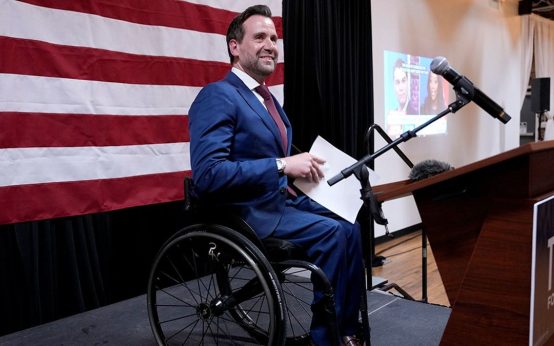 Democrat Josh Turek Claims Victory in Iowa Senate Race
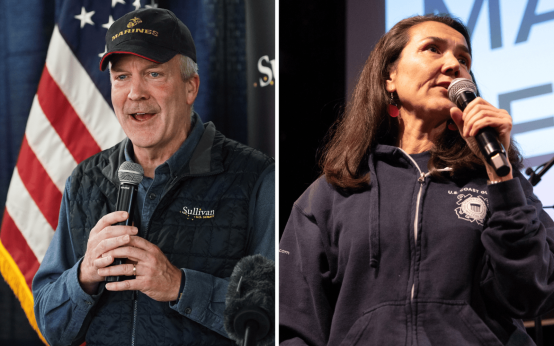 Alaska Senate Race and Its Impact on Congressional Control