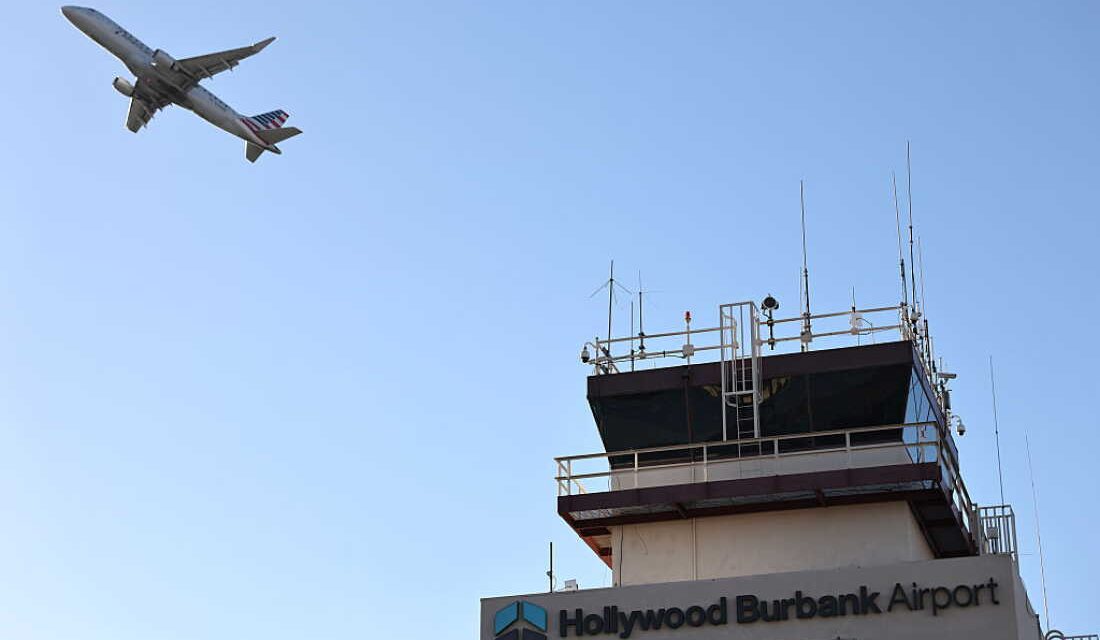
WASHINGTON — The Federal Aviation Administration (FAA) is integrating artificial intelligence into its air traffic control systems to better manage the nation’s airspace. The agency launched a major software upgrade costing $875 million, aimed at modernizing airspace management. This rollout will start at three major Washington, D.C. area airports.
Introducing SMART
The new system, called Strategic Management of Airspace, Routes, and Trajectories (SMART), is designed to reshape airspace management by preventing congestion and delays, thereby reducing travel prices. Transportation Secretary Sean Duffy emphasized that SMART is expected to reduce stress for air traffic controllers by addressing issues before they arise.
Though the AI-enhanced tool promises improvements, critics remain skeptical of its ability to tackle deeper problems within air traffic control. Importantly, FAA officials clarify that SMART is a supportive tool intended to aid, not replace, human controllers.
Managing Air Traffic Chaos
During a Senate hearing, FAA administrator Bryan Bedford highlighted the need for better traffic management, expressing concerns over chaotic scheduling by airlines. SMART aims to optimize flight schedules by considering various factors such as weather conditions, and adjusting plans to minimize congestion.
This initiative is part of a broader $12.5 billion effort to modernize the air traffic control system. Air Space Intelligence, tasked with building SMART, has prior experience creating similar AI systems for airlines like Alaska Airlines.
Benefits and Challenges
Despite the potential benefits, including safety enhancements and efficiency improvements, doubts persist regarding its transformative impact. Former air traffic controller, Dave Riley, cautions against overestimating SMART’s capabilities, stressing the continued importance of human oversight in air traffic management.
The staffing shortage remains a significant challenge, with the FAA lacking thousands of certified controllers, leading to onerous work schedules. The National Air Traffic Controllers Association, representing these professionals, has not contributed to SMART’s development and remains cautious about its future impact.
Airlines for America express optimism about the modernization efforts, hoping for direct positive effects on travelers. While the system is still in early stages, it represents a substantial undertaking by the FAA, aimed at enhancing the capacity and efficiency of air traffic control.
 Paramount’s Concessions in Warner Bros. Discovery Takeover
  Tips for Maintaining VPN Connection While Traveling
  Debate Over OpenAI’s Solution to Navier-Stokes Equations
  Levoit Cordless Vacuum: A Cost-Effective Cleaning Solution
  Google Fined for Privacy Breaches
  Emergence of AI-Powered Malware and Its Implications