
The Trump administration is considering revisions to federal workplace rules regarding pregnancy. These changes may affect how the government addresses accommodations for miscarriage-related situations at work. Existing Equal Employment Opportunity Commission (EEOC) rules currently support workers who need time off or adjustments due to a miscarriage. Research suggests accommodating pregnancy in the workplace may reduce miscarriage rates.
Current Protections Under EEOC Guidelines
The EEOC plans to propose updates in November to how it interprets “pregnancy, childbirth, or related medical conditions.” This impacts the scope of related laws. Currently, the definition includes the end of a pregnancy by miscarriage, stillbirth, or abortion. As of Wednesday, no proposal details appeared in the Federal Register, leaving the future of miscarriage protections uncertain. Newsweek sought comments from the EEOC and White House.
Understanding the Pregnant Workers Fairness Act
The Pregnant Workers Fairness Act requires employers to accommodate workers experiencing limitations due to pregnancy, childbirth, or related medical conditions, barring undue hardship. The current EEOC guidance indicates it includes employees needing time off post-miscarriage. Miscarriages and stillbirths are classified as pregnancy-related conditions. Legal experts emphasize the need for workplace flexibility and physical task adjustments for affected employees.
Potential Changes and Worker Concerns
Uncertainty remains because the administration’s intent regarding miscarriage accommodations is not public. The regulatory listing suggests the EEOC will revise the definitions involved, with specifics yet unavailable. Any legal revision will not alter the law by Congress. Workers’ rights remain effective despite proposed changes. Alteration details may influence workplace accommodations significantly, especially for physically demanding jobs or those with limited remote work options.
The Role of Other Laws and Workplace Research
Other federal laws, like the Americans with Disabilities Act (ADA) or Family and Medical Leave Act (FMLA), might cover physical or mental recovery from miscarriage. However, these laws don’t guarantee the same rights as the Pregnant Workers Fairness Act. Narrowing these protections could leave many workers without effective options. Existing research, including that from the University of Wisconsin-Madison, indicates accommodations may correlate with reduced miscarriage rates and increased live births. However, this cannot imply individual responsibility for pregnancy loss, underscoring the importance of existing protections.
“Workers who have physically demanding jobs are most likely to need accommodations during pregnancy,” attorney Megan Thomas stated, highlighting the need for legal support in ensuring workplace support for affected employees.
Future Considerations and Implications
The anticipated EEOC proposal will address whether the term ‘miscarriage’ continues within regulatory protection. Stakeholders will analyze if revisions affect employees’ access to necessary workplace modifications post-miscarriage. The analysis will look beyond specific terms to understand the practical outcomes of such policy changes. This proposal’s impact extends beyond the abortion debate, shaping worker rights related to pregnancy and workplace accommodations.
 Gavin Newsom’s Bold Stand on Clemency for Death Row Inmates
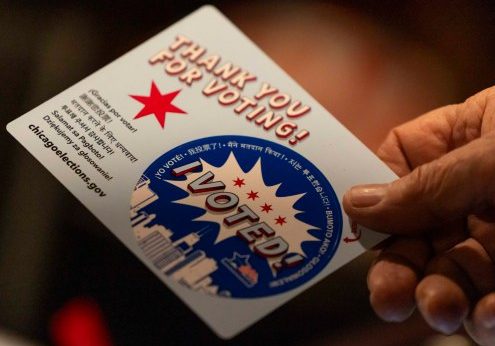 Daniel Biss Wins Democratic Primary and General Election
 Brooks and Capehart Discuss Political Turmoil Post-Midterms
 Jay Rockefeller’s Life and Legacy
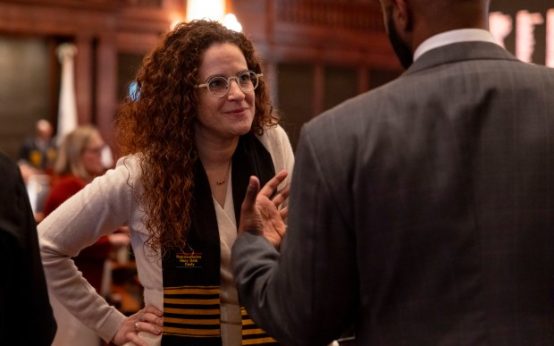 Illinois House Leadership in Transition: Welch Steps Down Amid Sexual Harassment Controversies
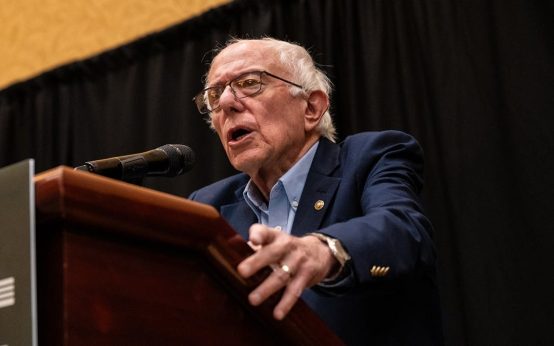 Sanders Discusses Medicare-for-all and Trump’s Potential Stance